

Curators: Federica Muzzarelli and the FOTOGALERIE WIEN Collective
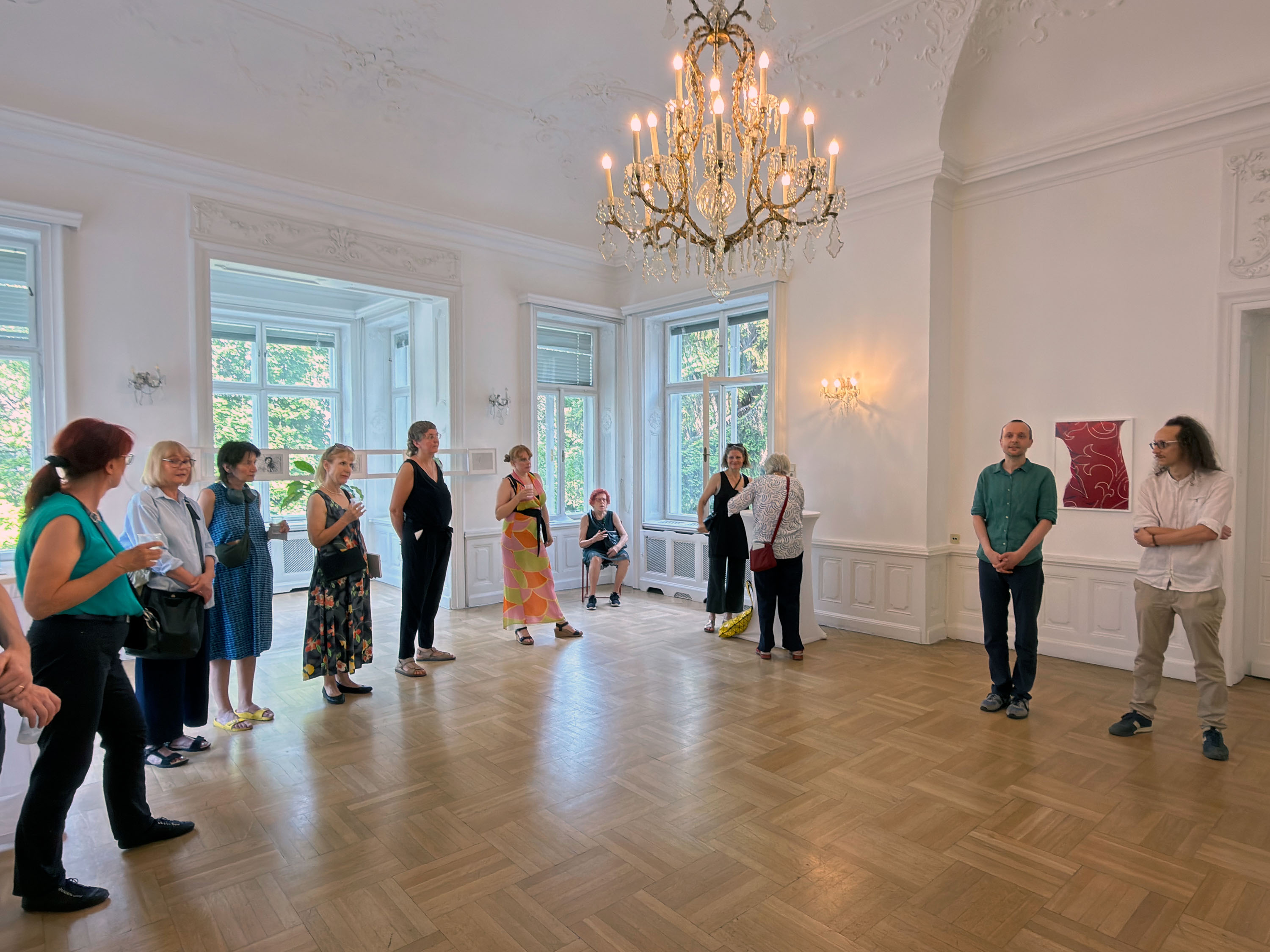
Exhibition venues: FOTOGALERIE WIEN and Italian Cultural Institute, Vienna,
Ungargasse 43 A, 1030 Vienna
Opening hours in the Italian Cultural Institute:
Mo, We, Th: 9 am–1 pm + 2–4 pm / Tu: 9 am–1 pm + 2–6 pm / Fr: 9 am–1 pm
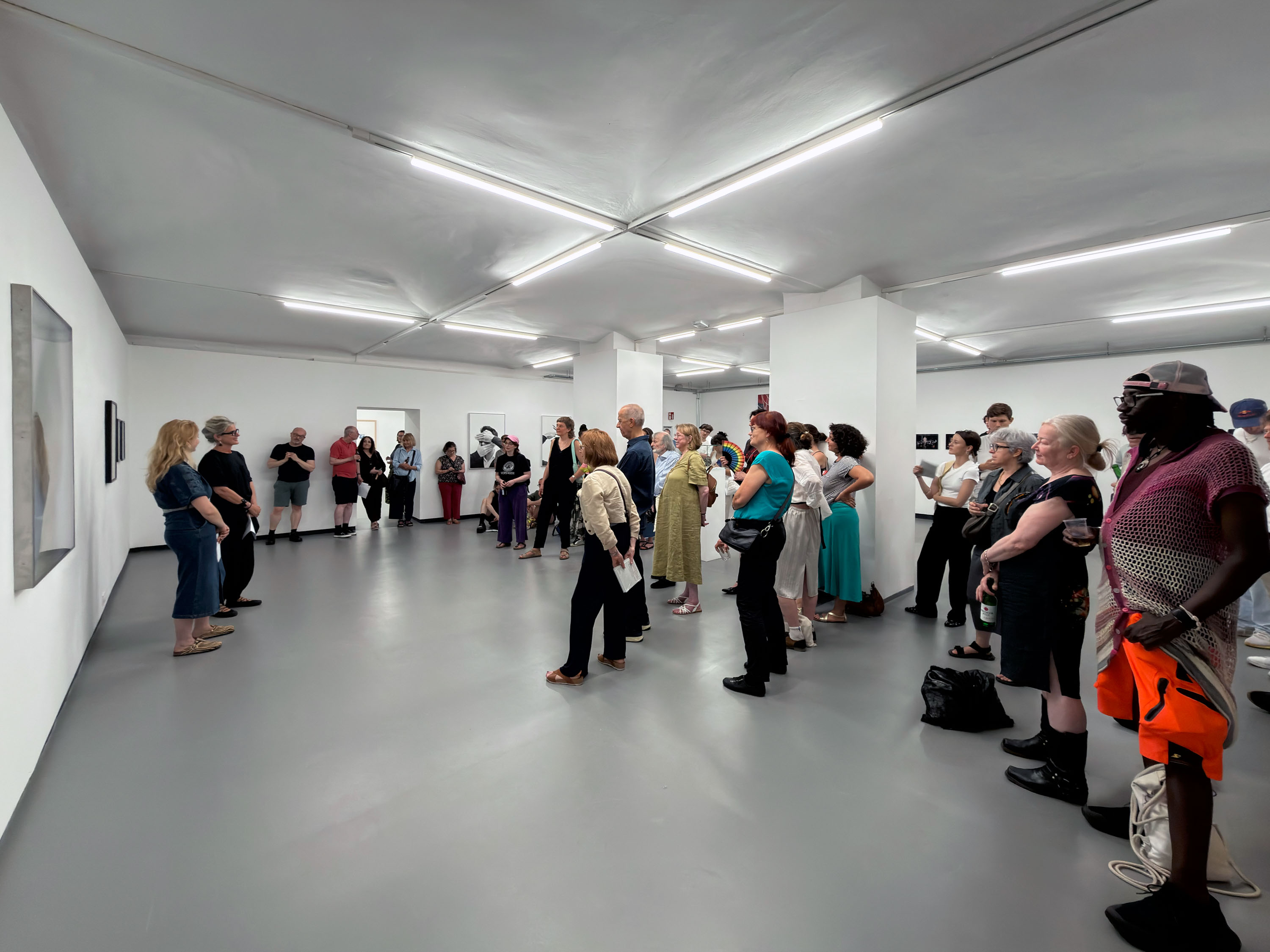
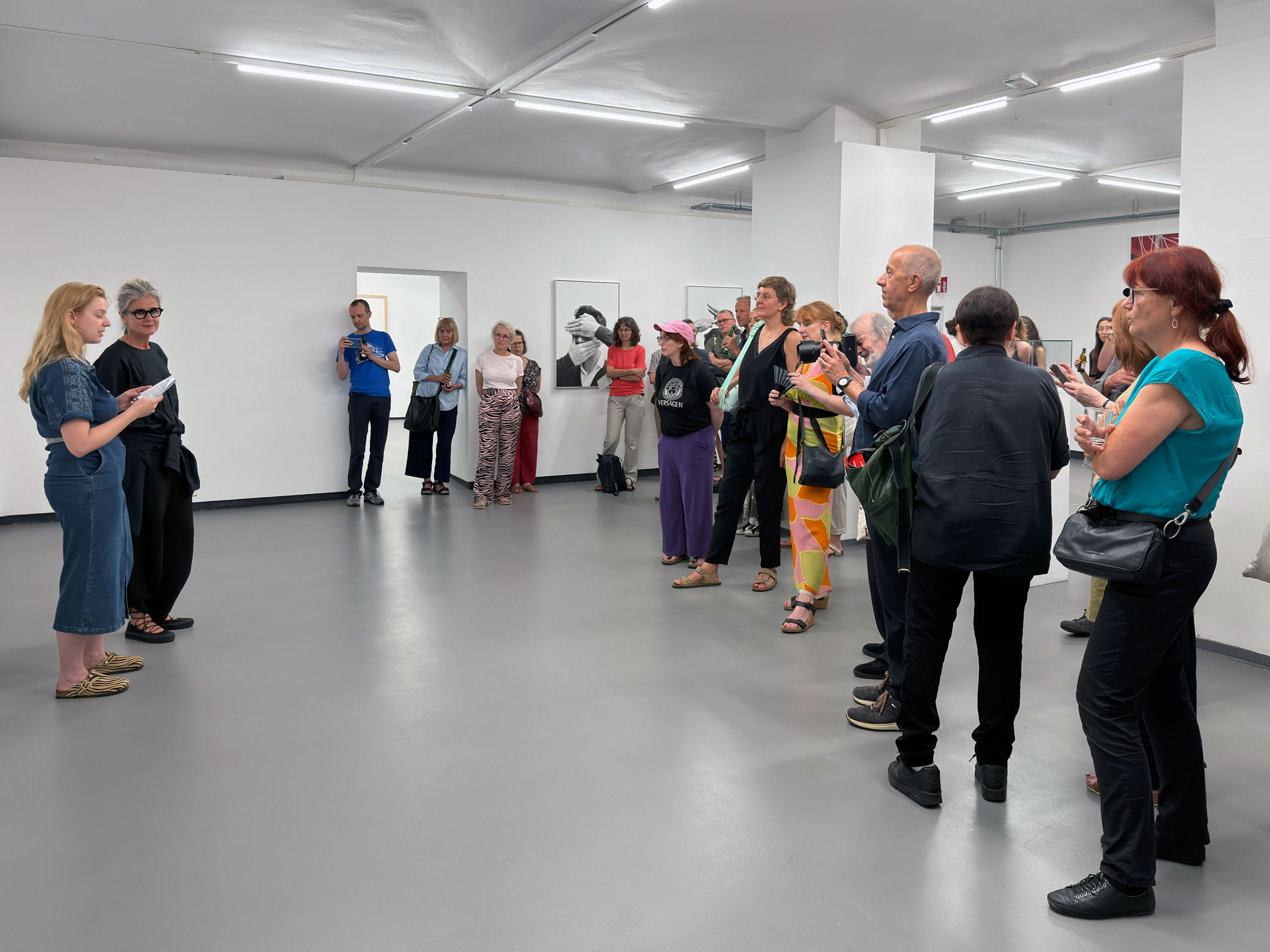
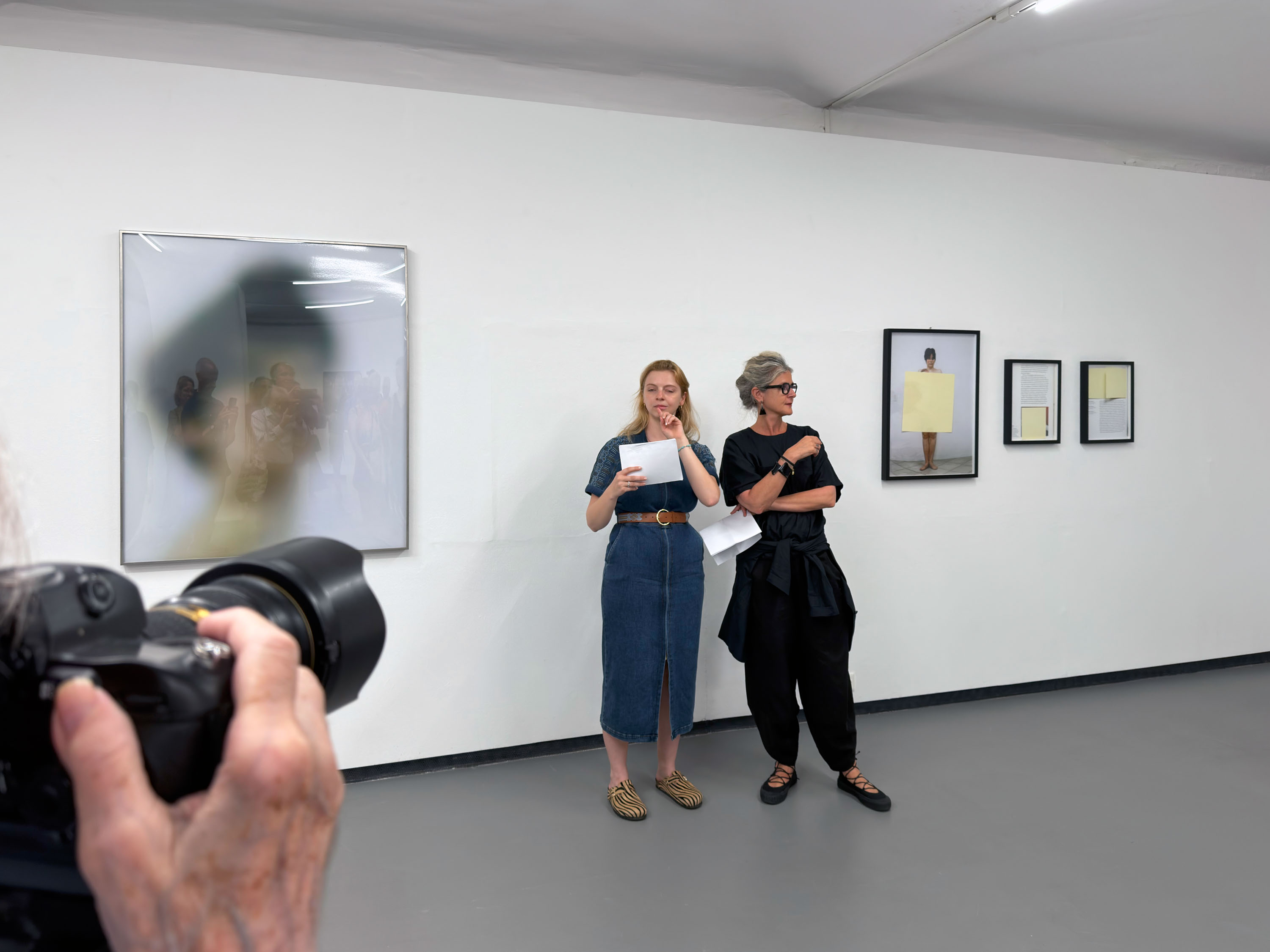
Opening: Monday, 22 June 2026 at 7:00 pm: FOTOGALERIE WIEN
Introductory words: Carla Vordermayer and Federica Muzzarelli
Duration of both exhibitions: 23 June–18 July 2026
Workshop with Carolina Cappelli |
Reframing the Gaze. Feminist image-making and collective narratives
Venue: Italian Cultural Institute
Date and time: Tuesday 7 July from 6 pm
Language: English (Italian and basic German also available if required)
Finissage, Catalogue Presentation & Summer Celebration: Saturday, 18 July at 7:00 pm at the Italian Cultural Institute, Ungargasse 43 A, 1030 Vienna
To attend the closing event, please register via the page accessible with the QR code or here.

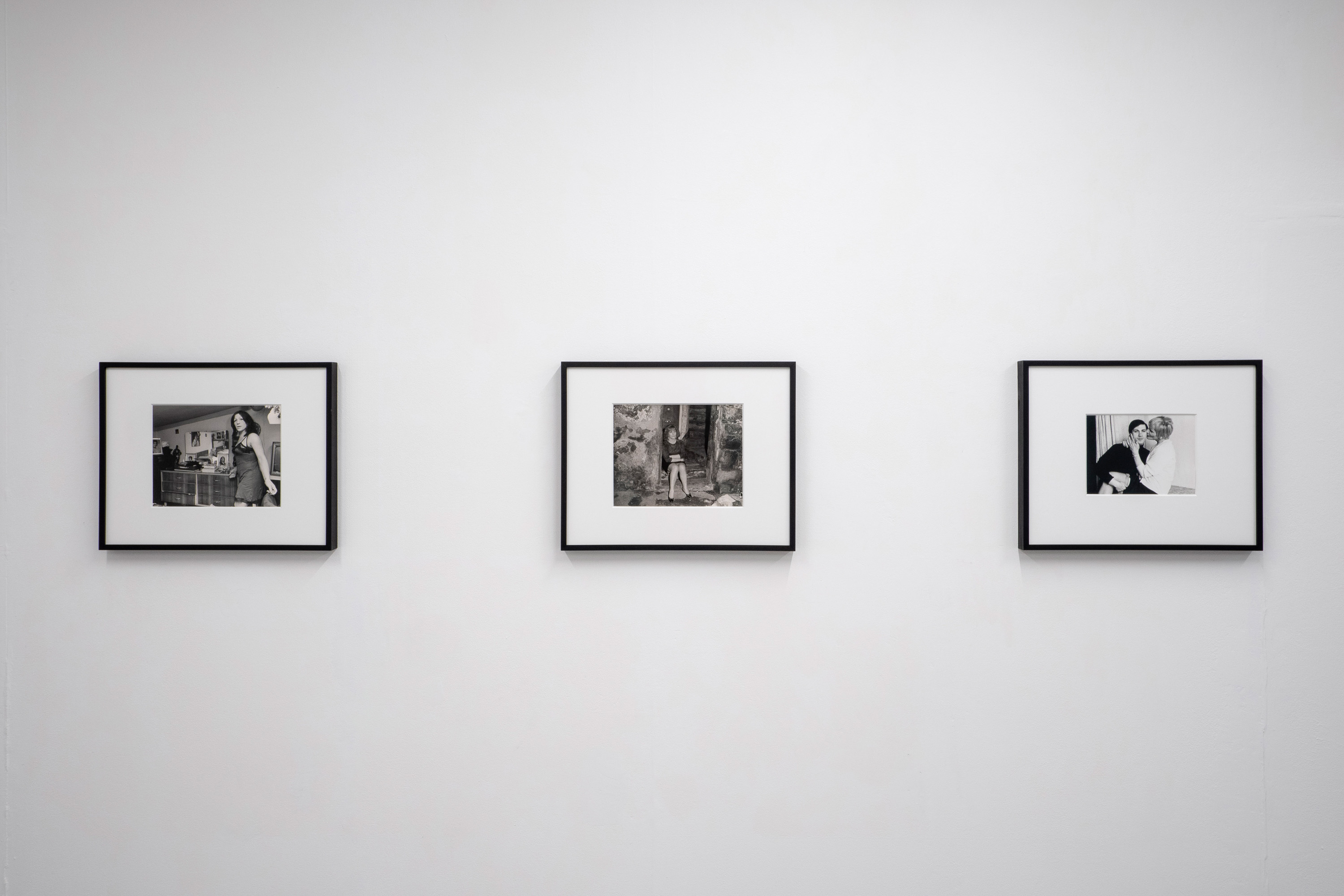
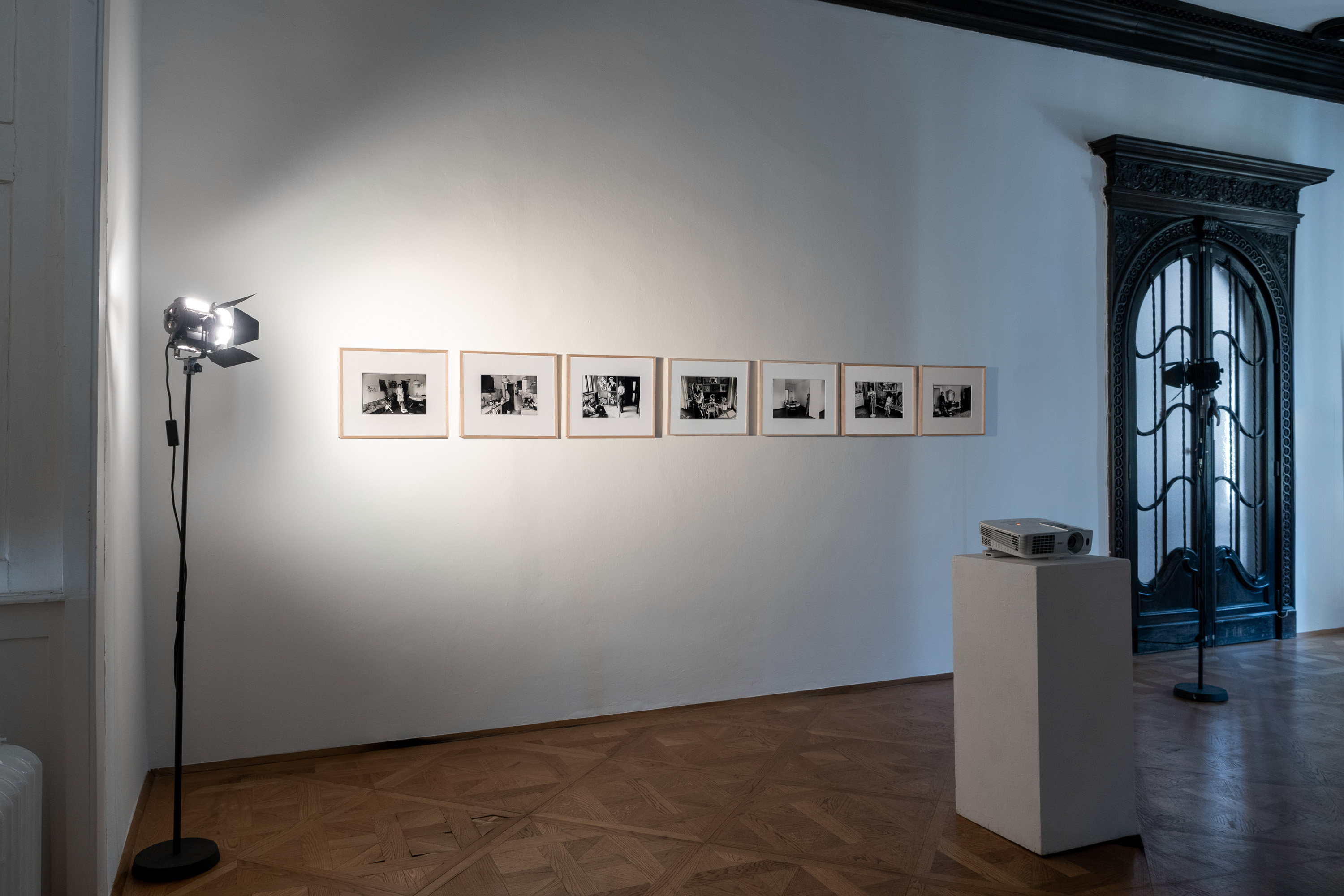
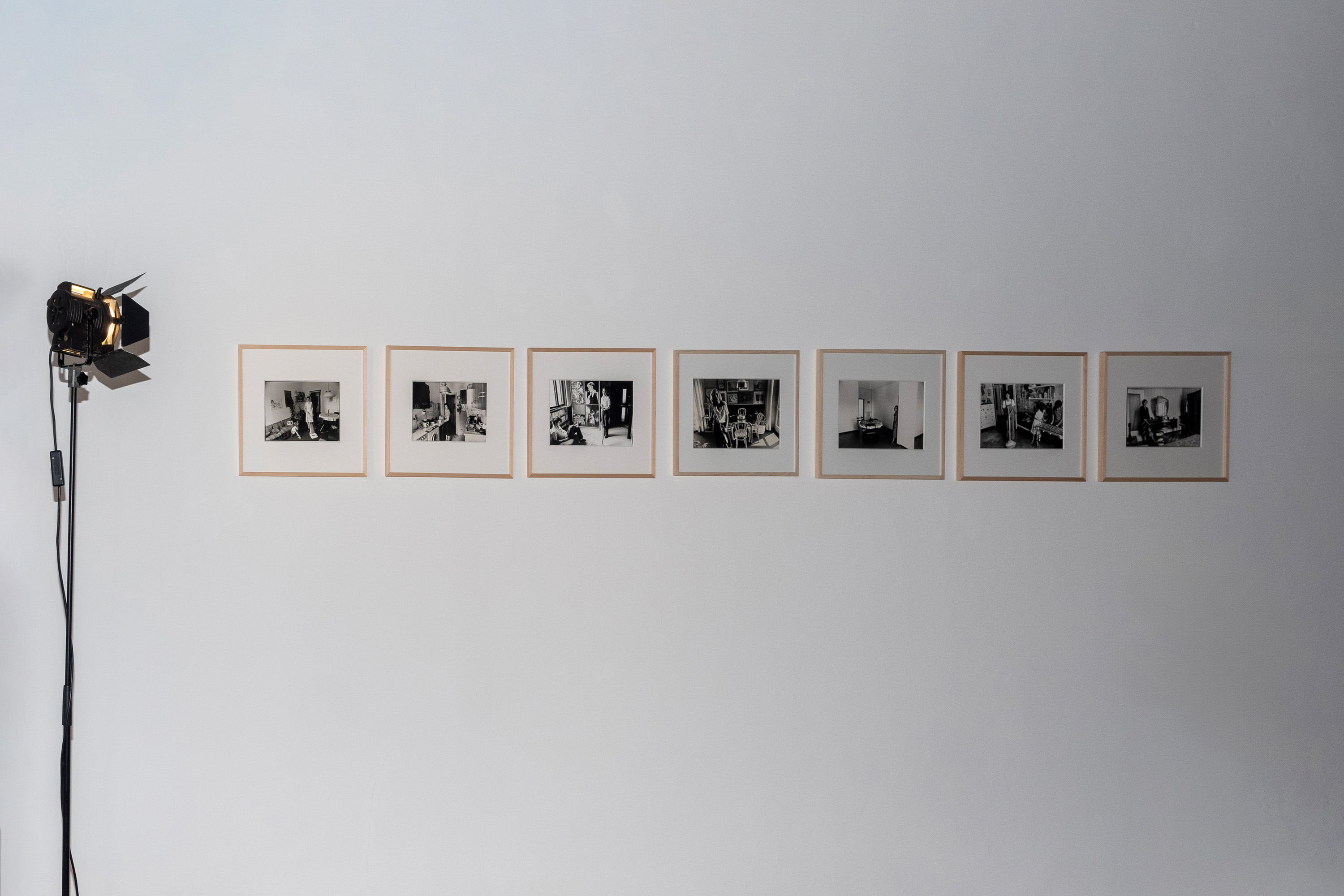
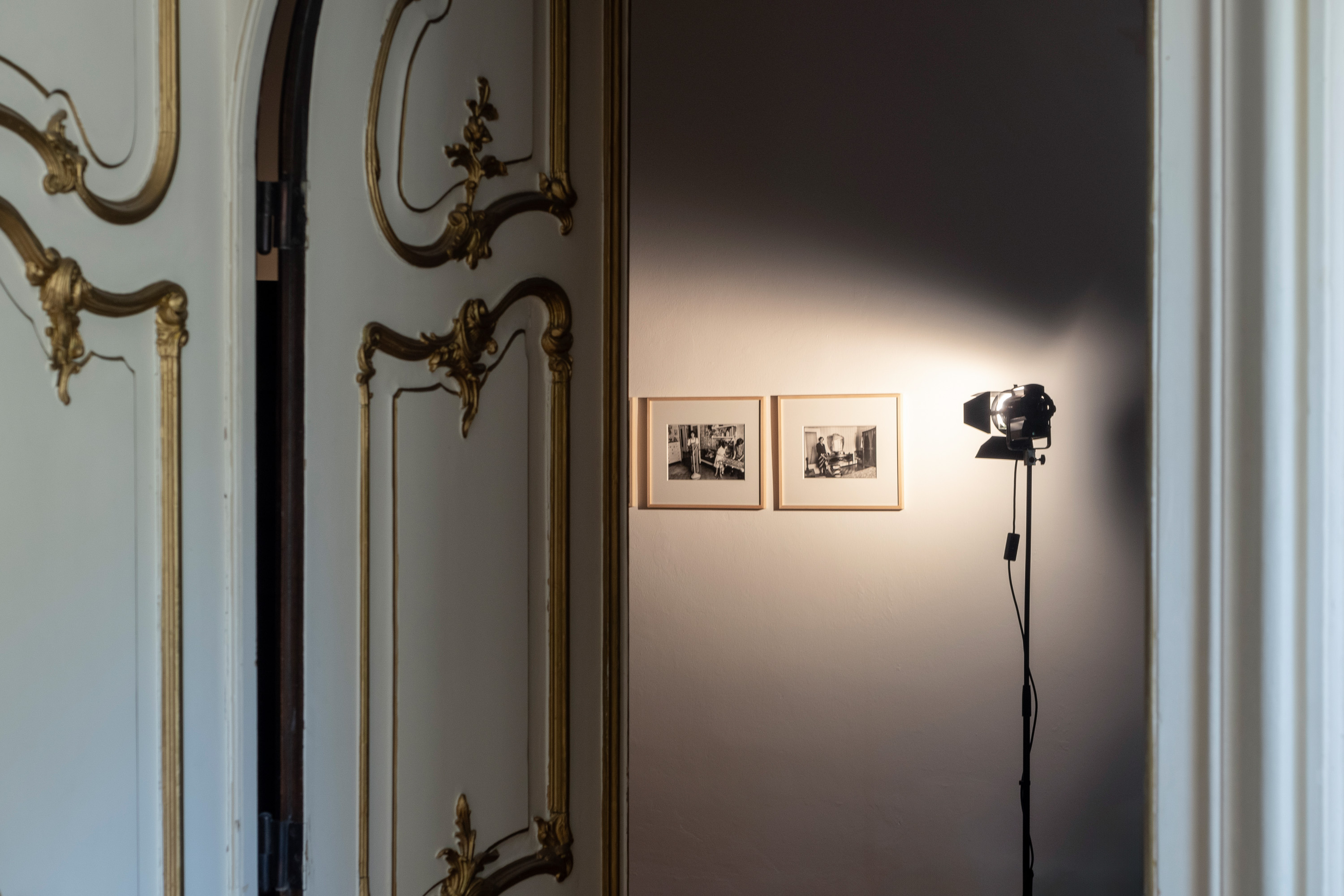
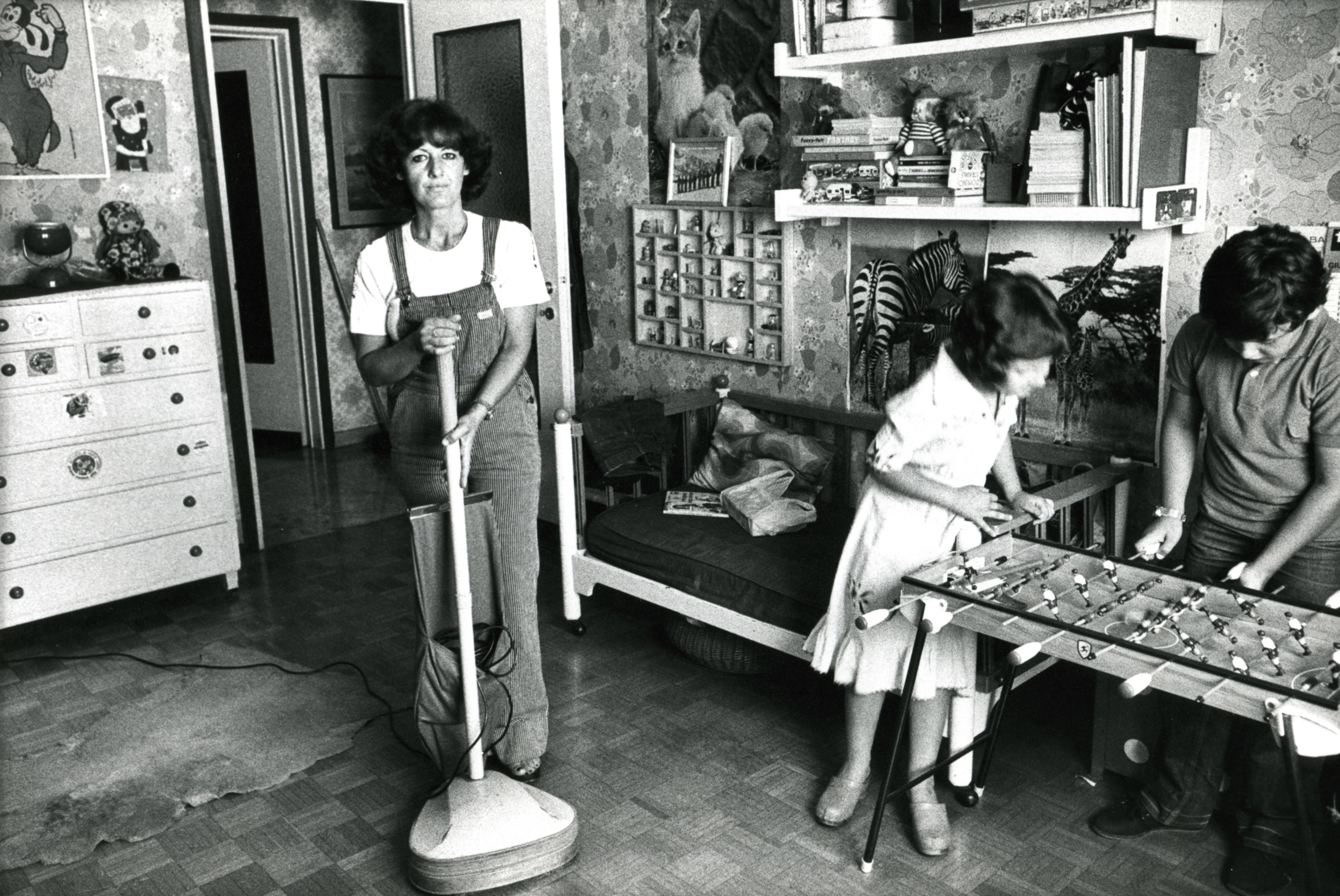
Liliana Barchiesi´s black-and-white photo series Le Casalinghe portrays women in their private domestic spaces with irony, presenting themselves alongside their favorite household objects. The series offers a glimpse into their everyday lives while prompting reflection on inequalities within a patriarchal society.
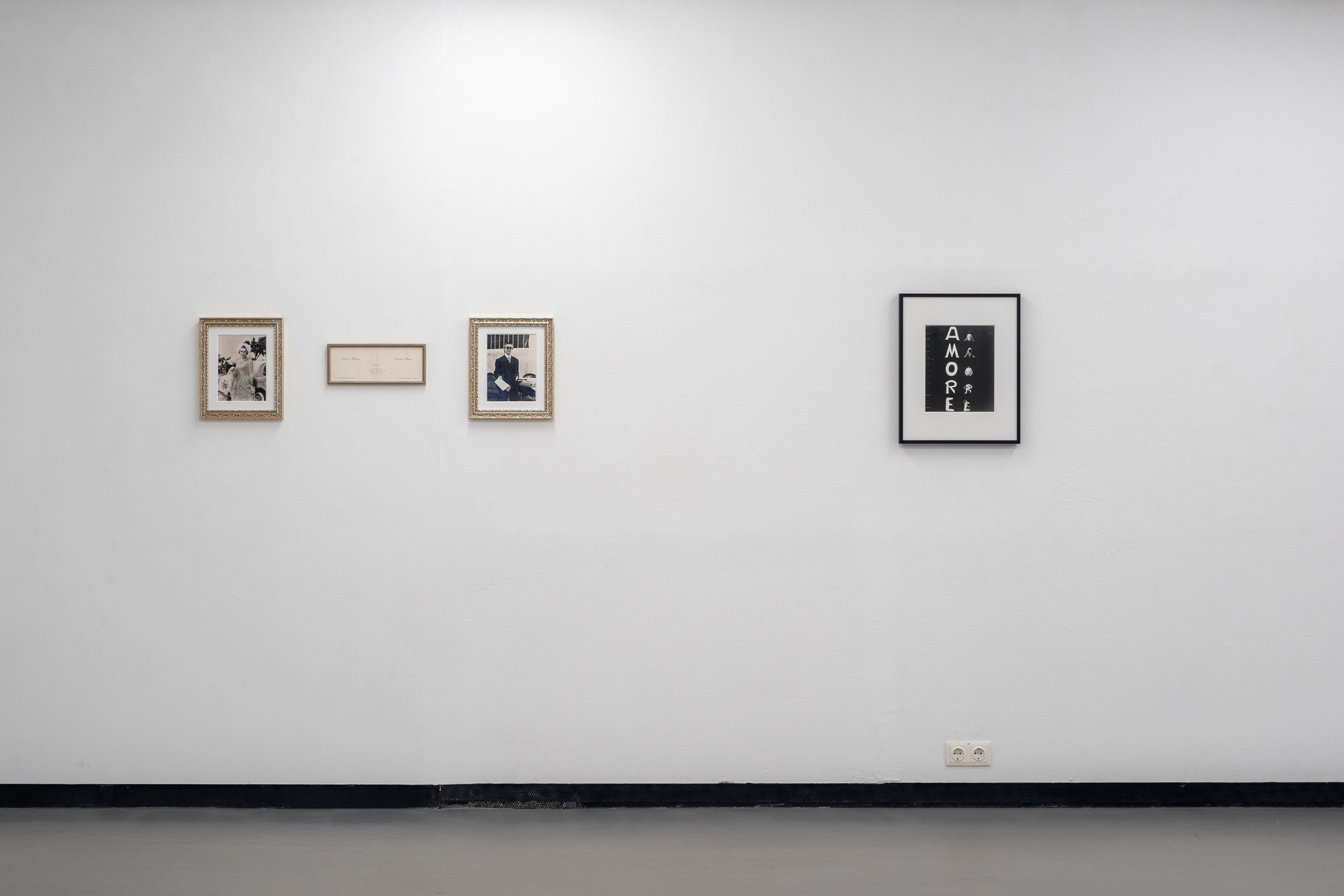
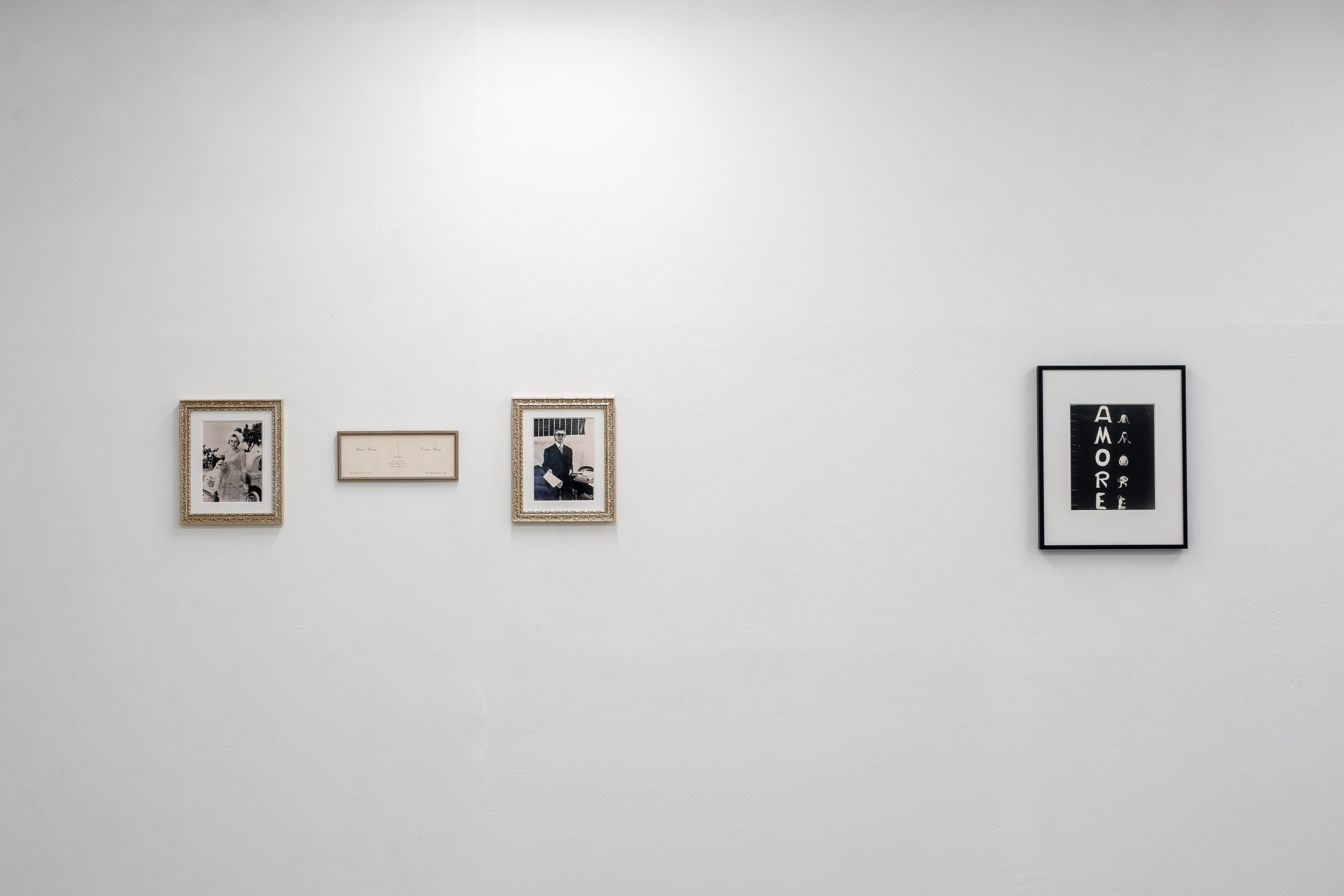
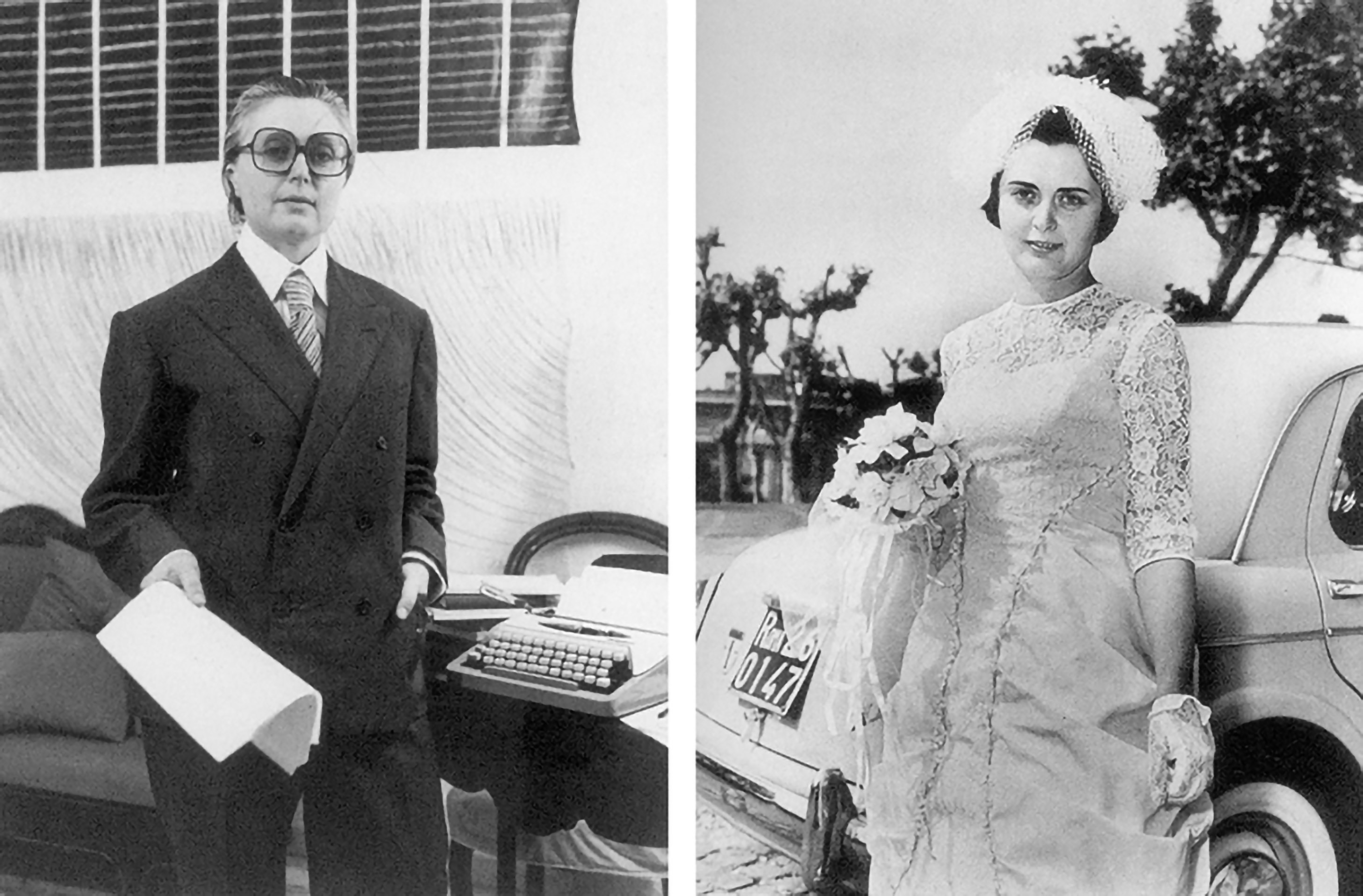
Tomaso Binga is the male identity created by Bianca Menna as a protest against sexist inequalities in art and culture. In Oggi Spose (Today´s Brides), the artist stages themself both as bride and groom, thereby challenging gender roles and stereotypes. In Amore, Binga forms the word LOVE through cut-out fragments of the female body folded into the shapes of the letters.
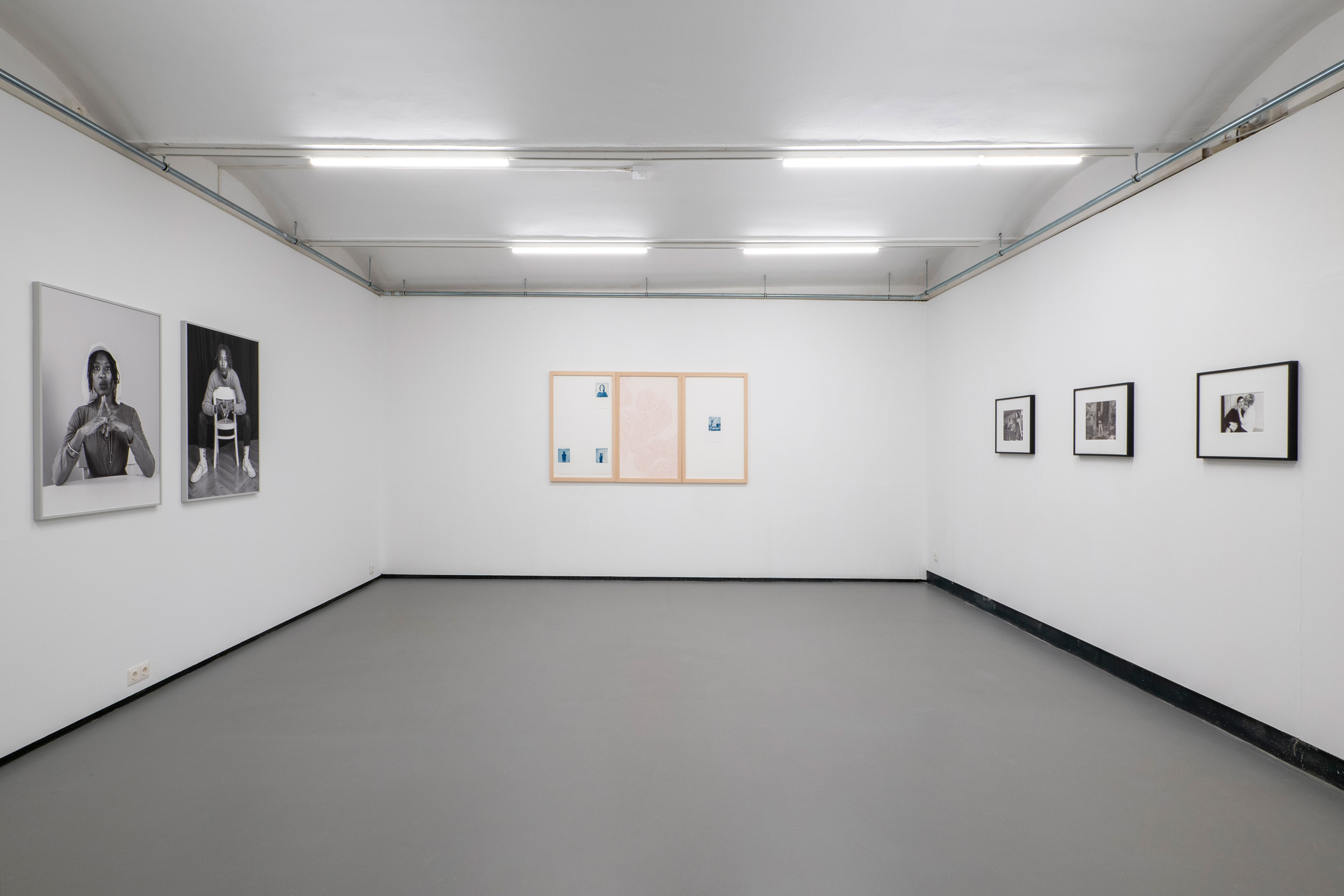
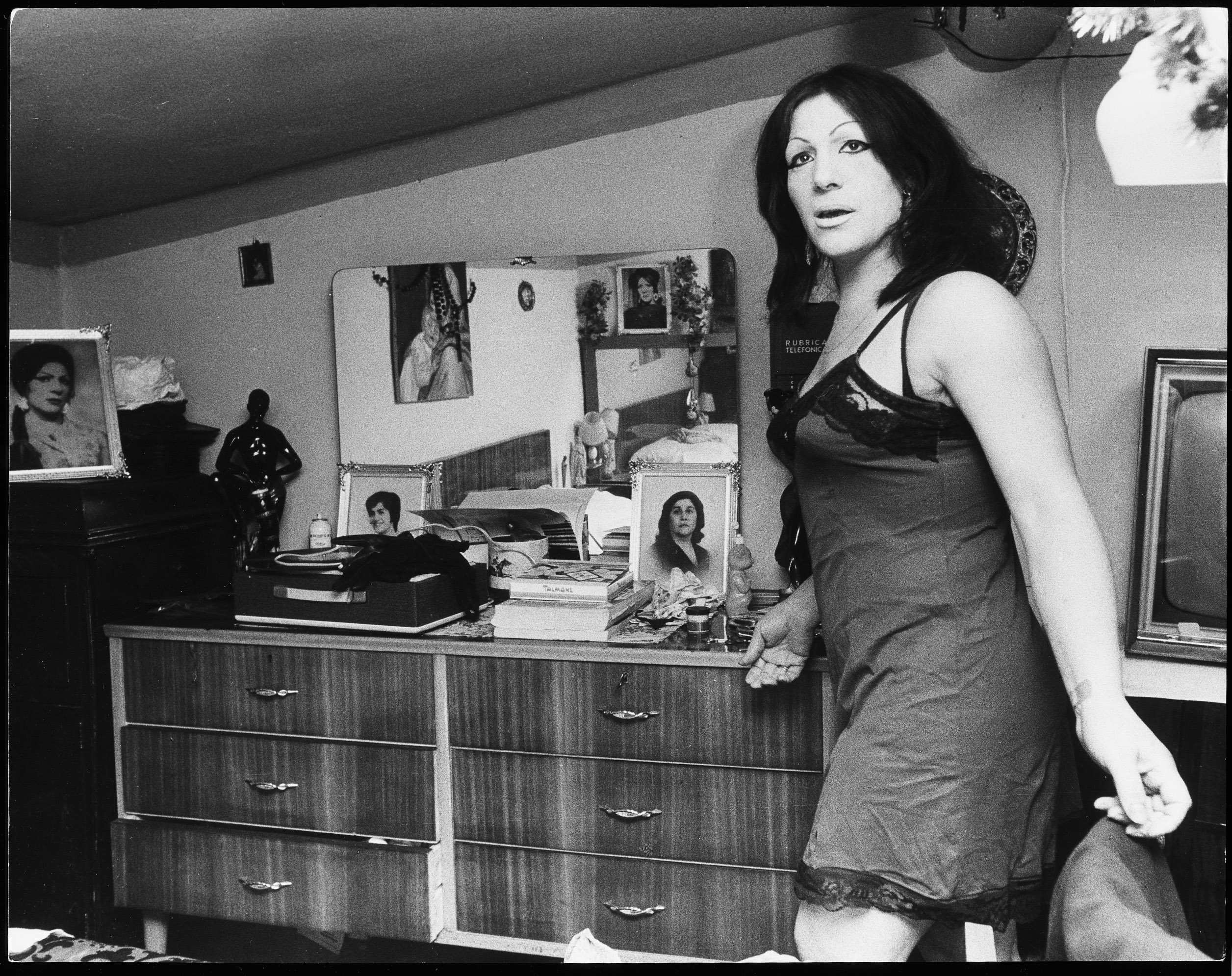
Lisetta Carmi, in her series I Travestiti created between 1965 and 1970, portrayed transgender people living on Via del Campo in Genoa, the city´s main street for sex work. As the first artist to portray the lives of LGBTQ people in Italy, Carmi worked within a deeply conservative society where divergences from normative gender identity were taboo.
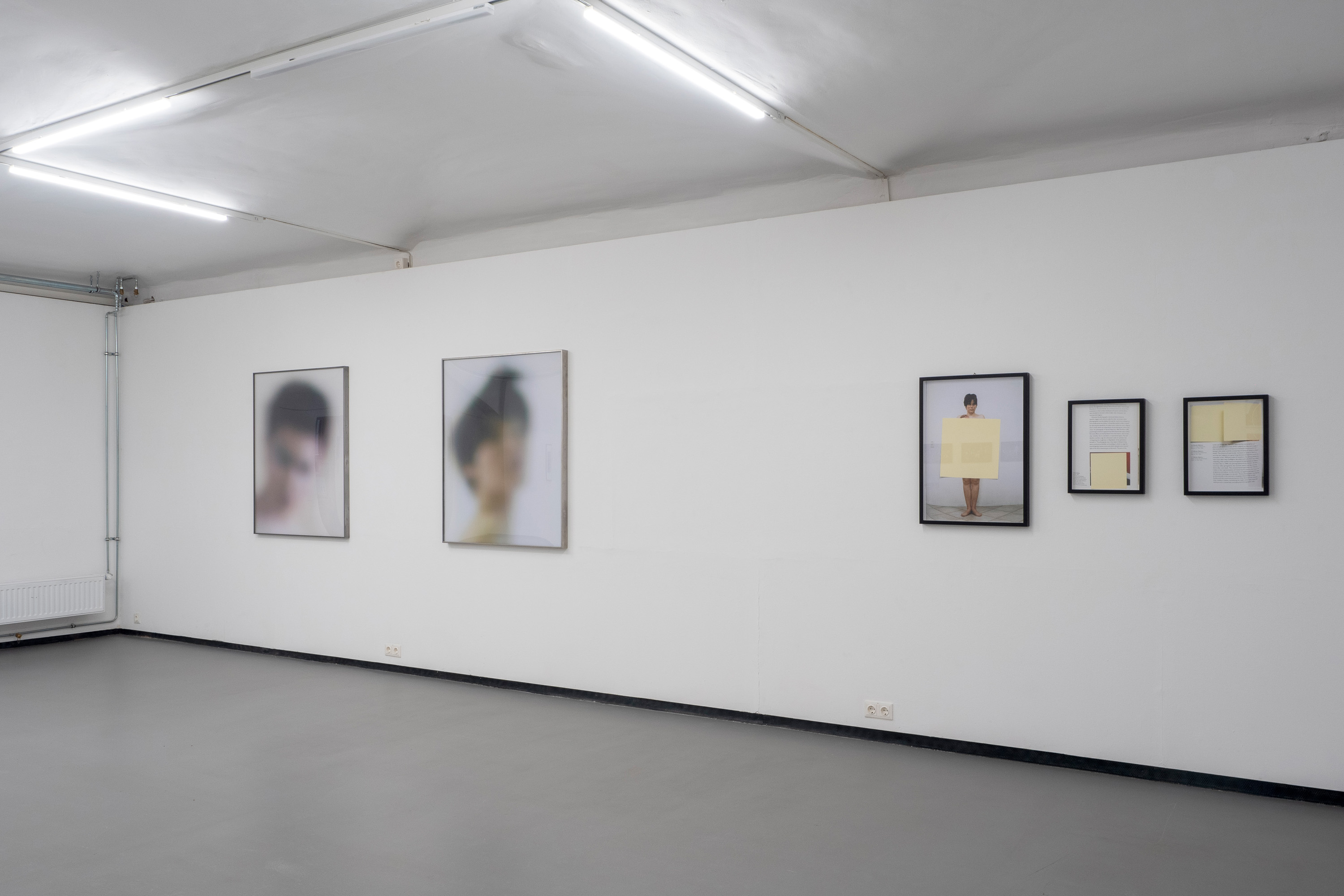
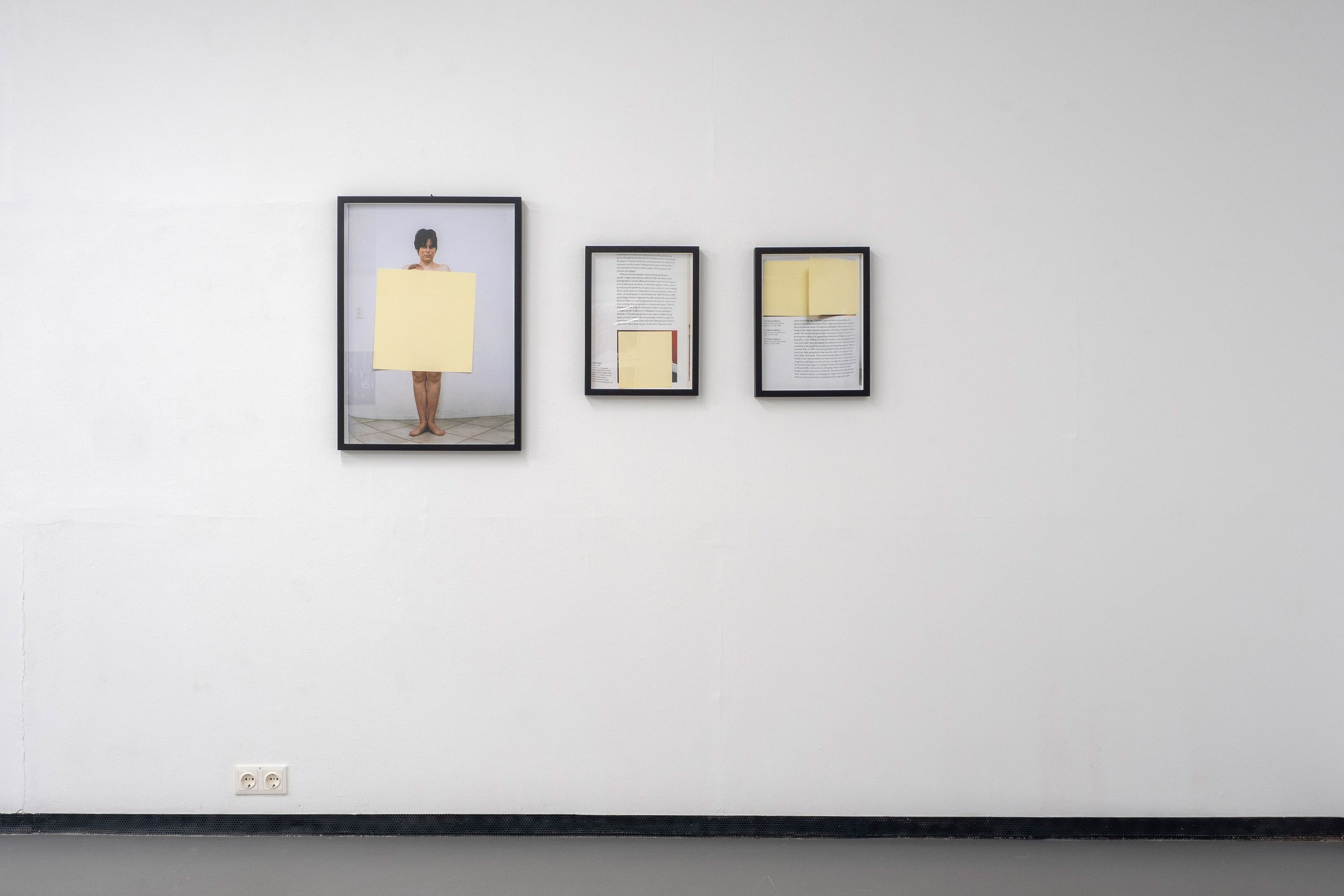
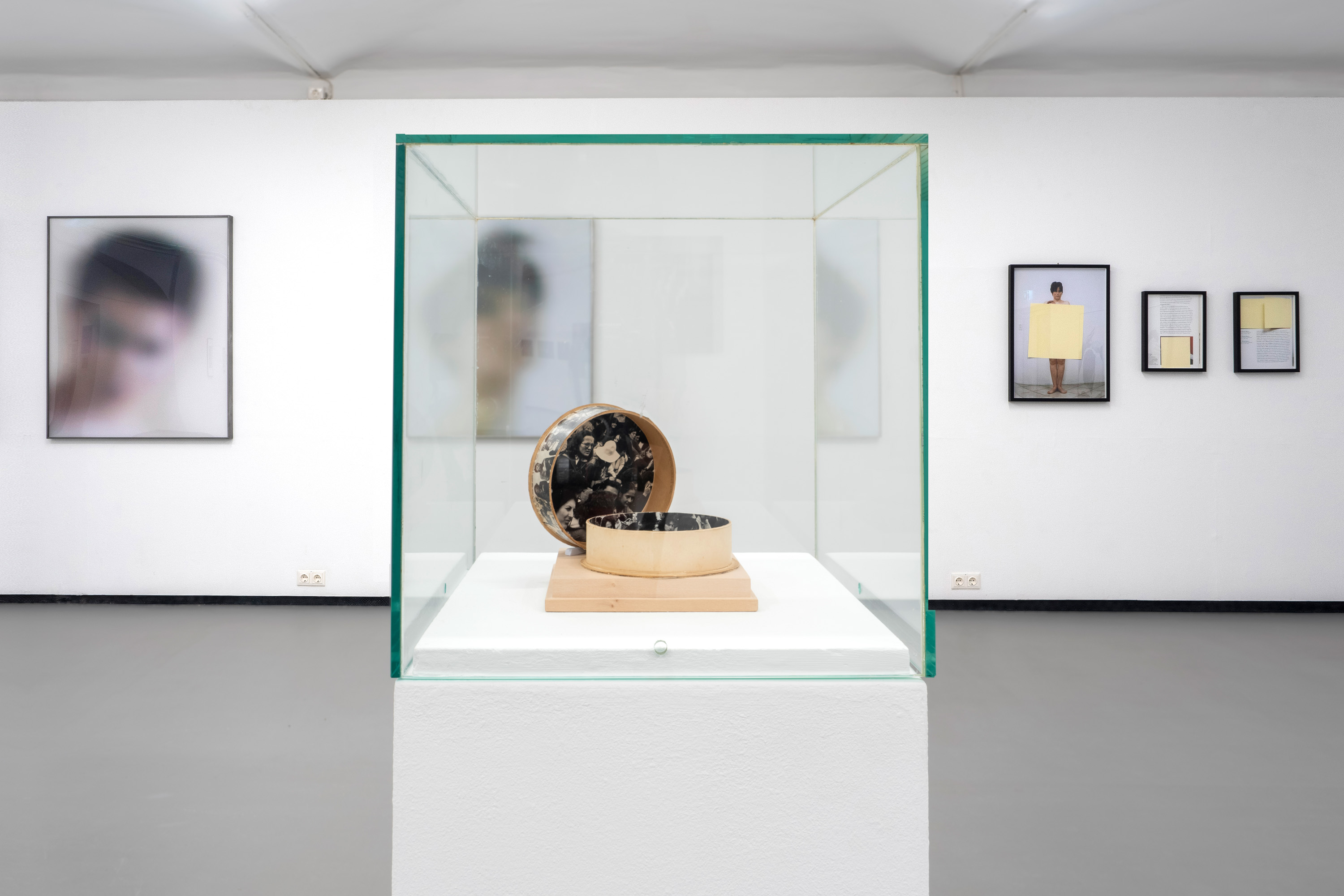
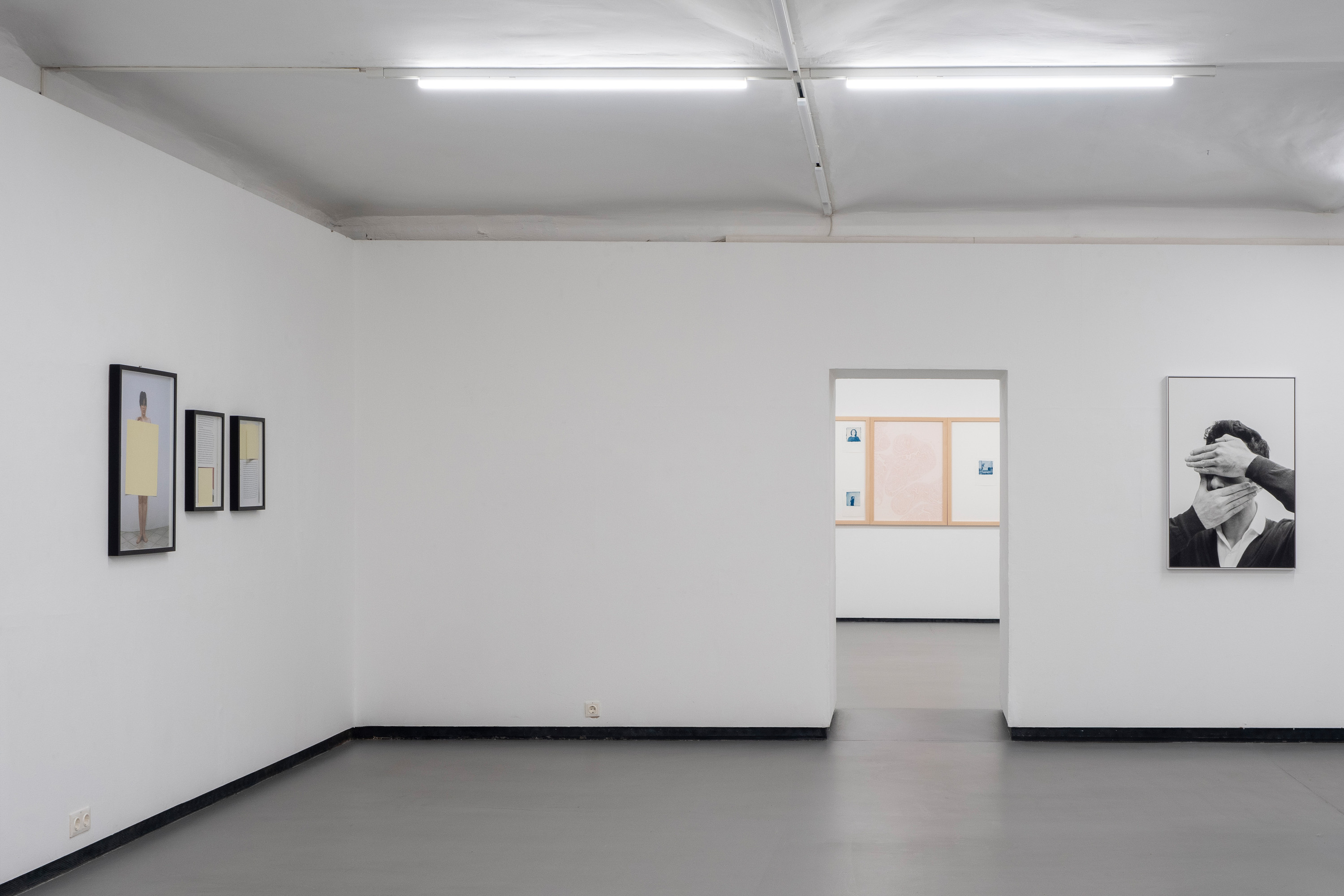
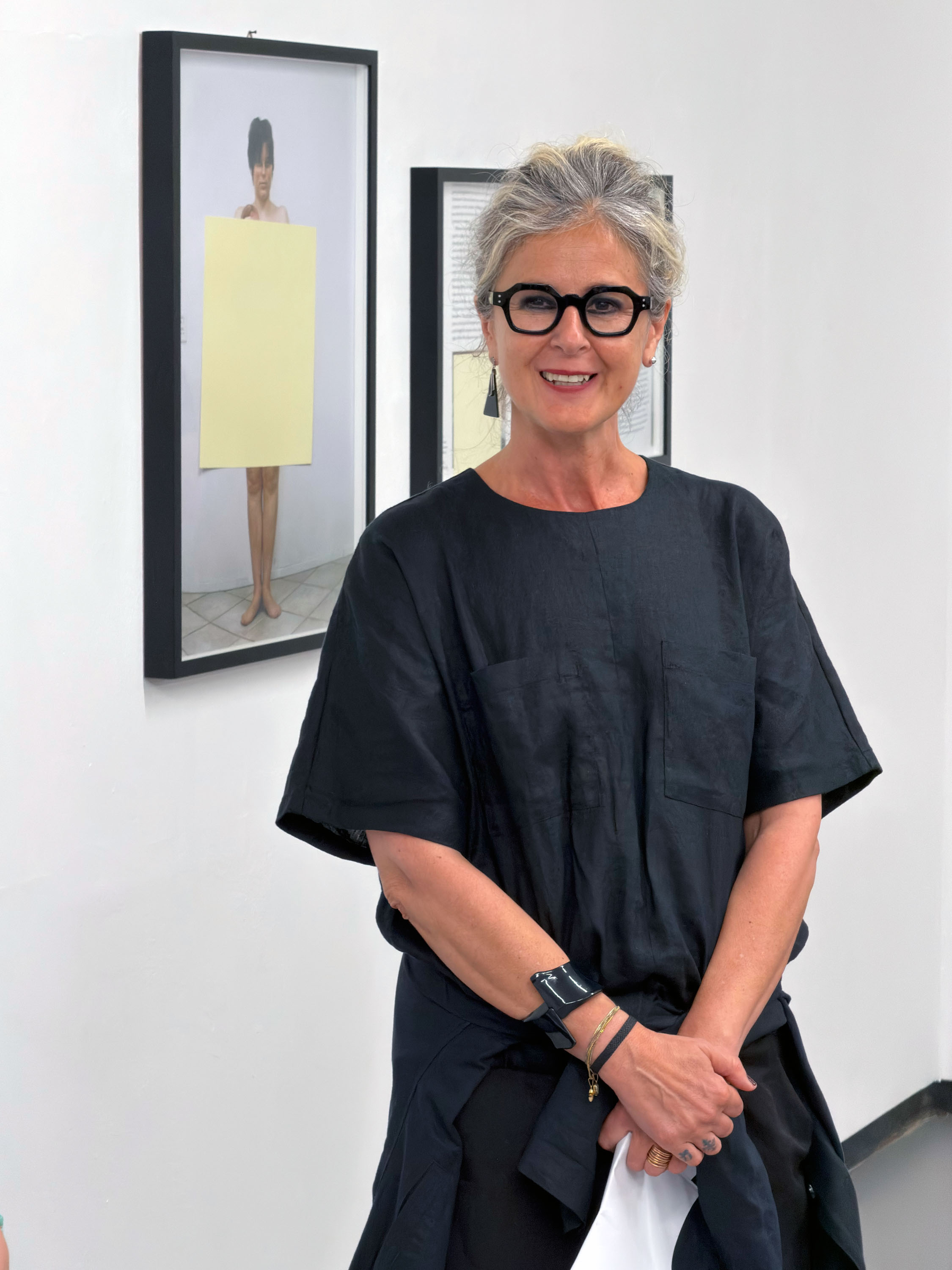
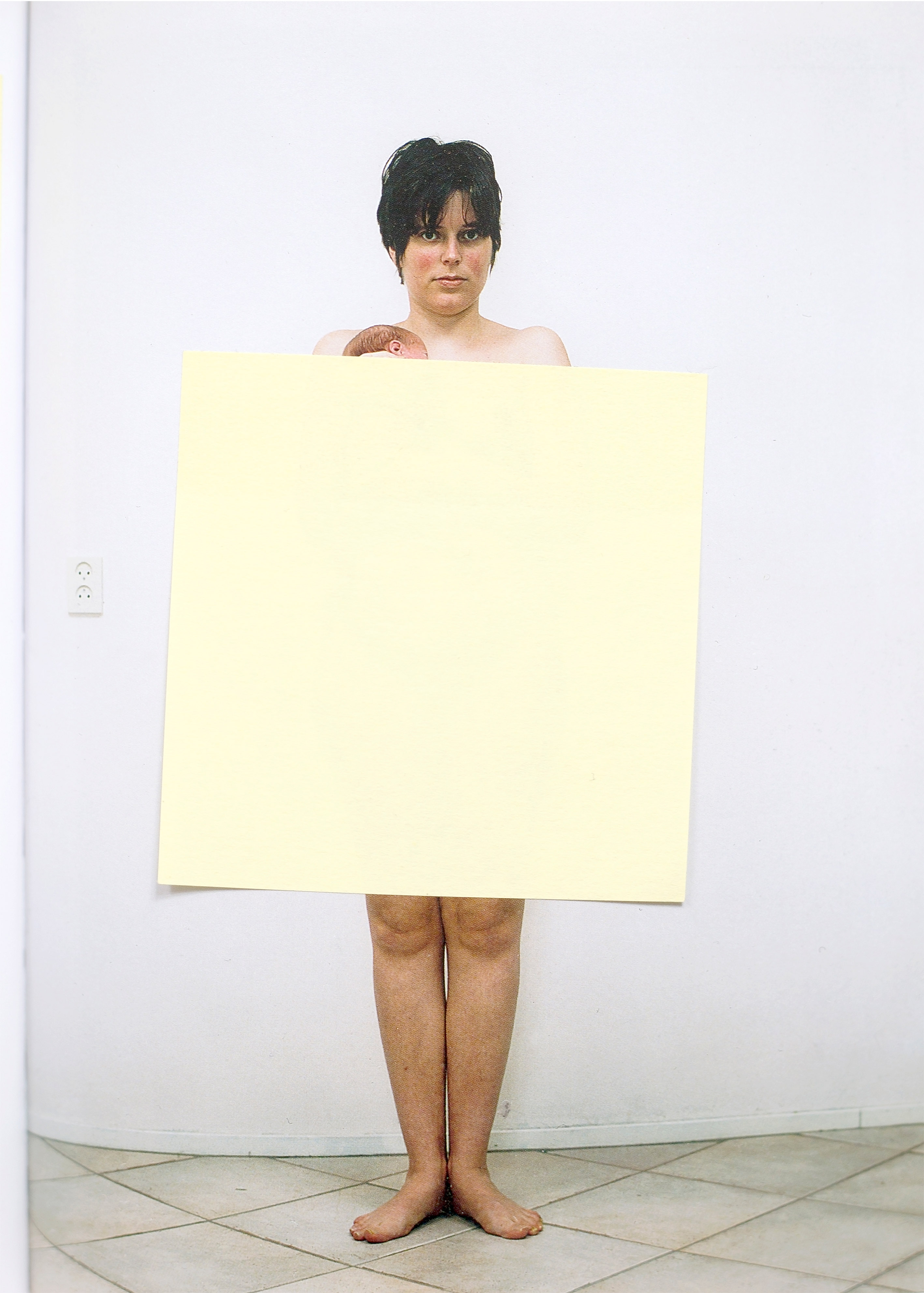
Martina Della Valle´s work The Post-It Book is based on a found photography book in which nude female bodies are partially covered with Post-it notes. By reproducing these censored pages, Della Valle reflects on perception and the subjective act of concealment.
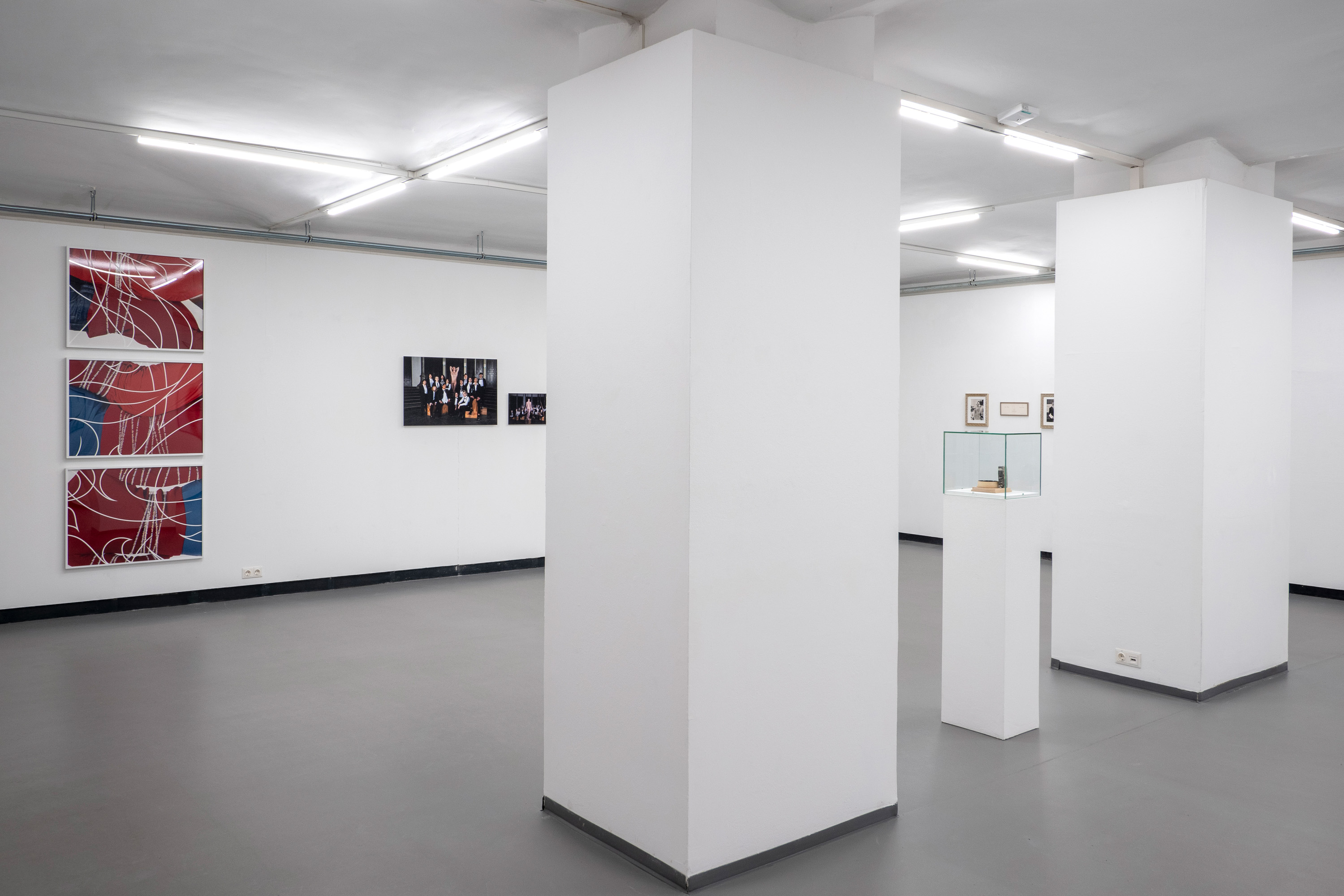
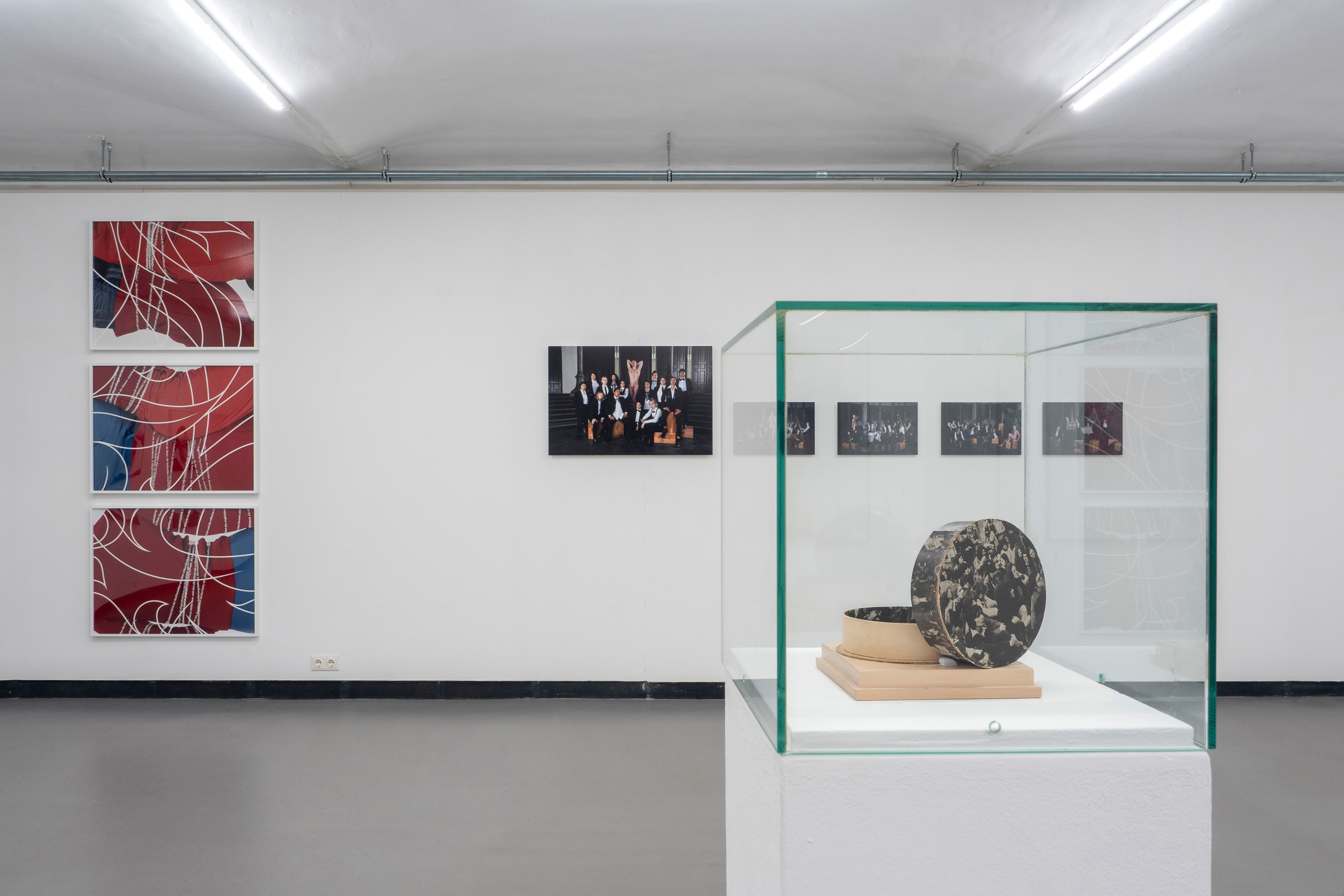
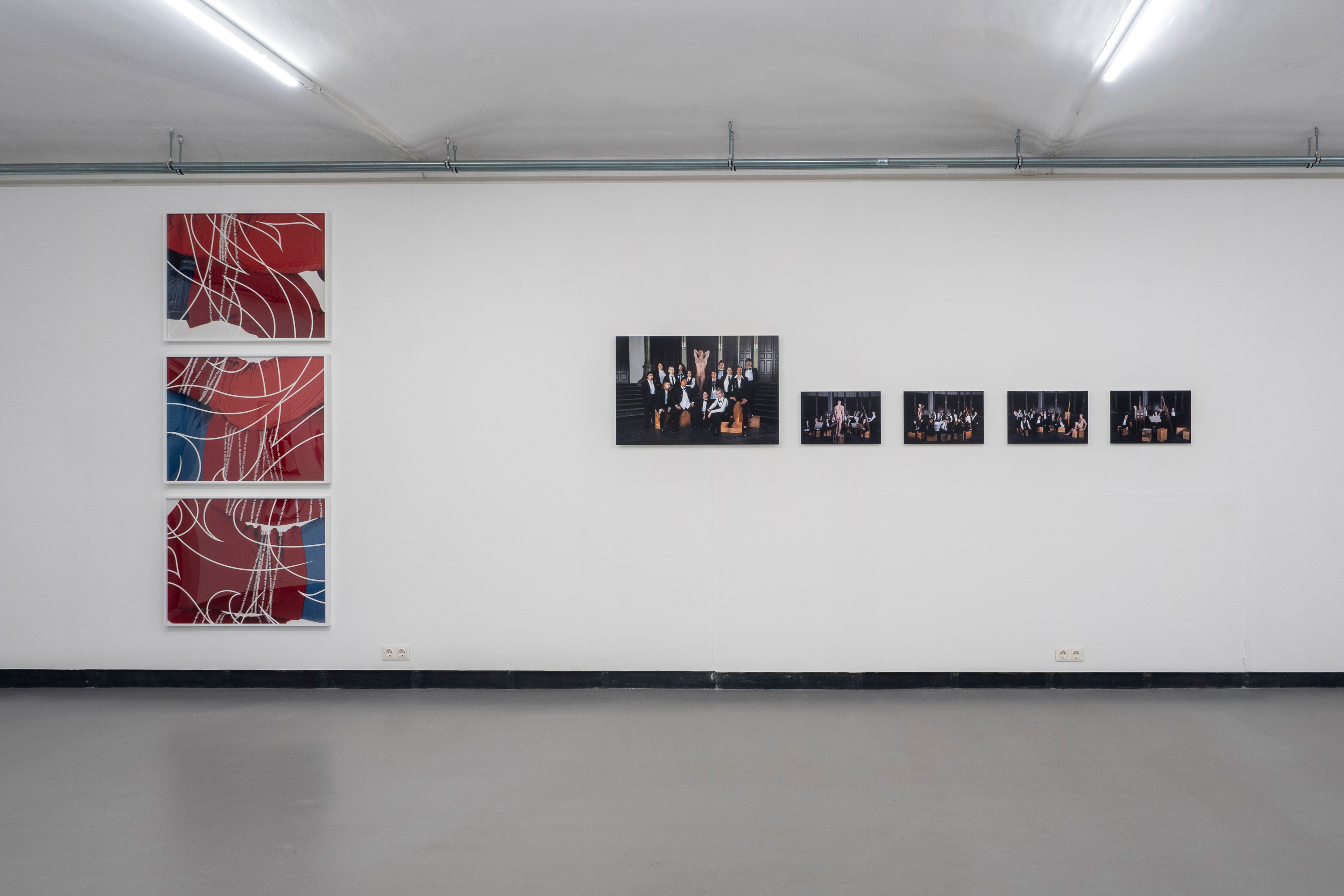
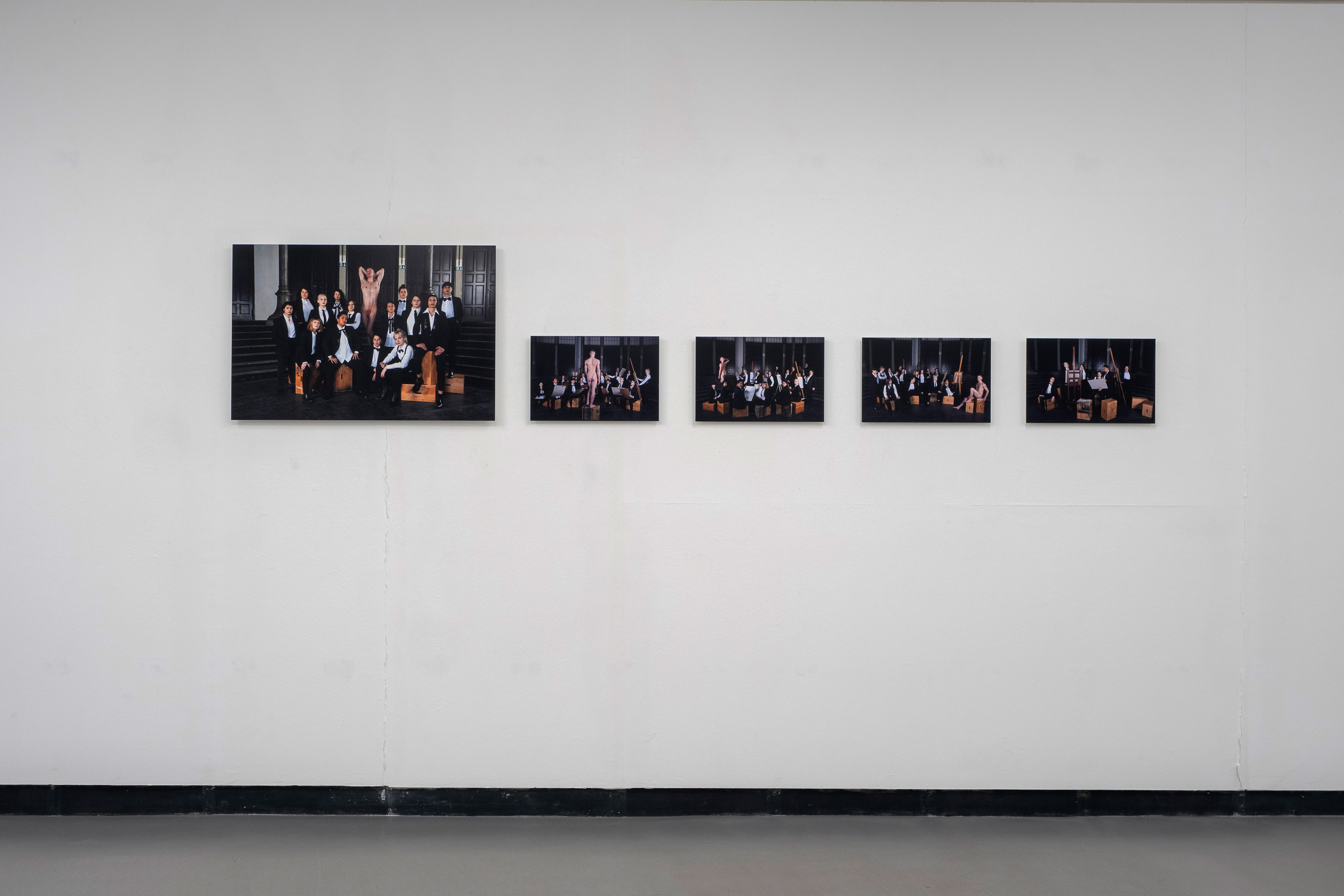
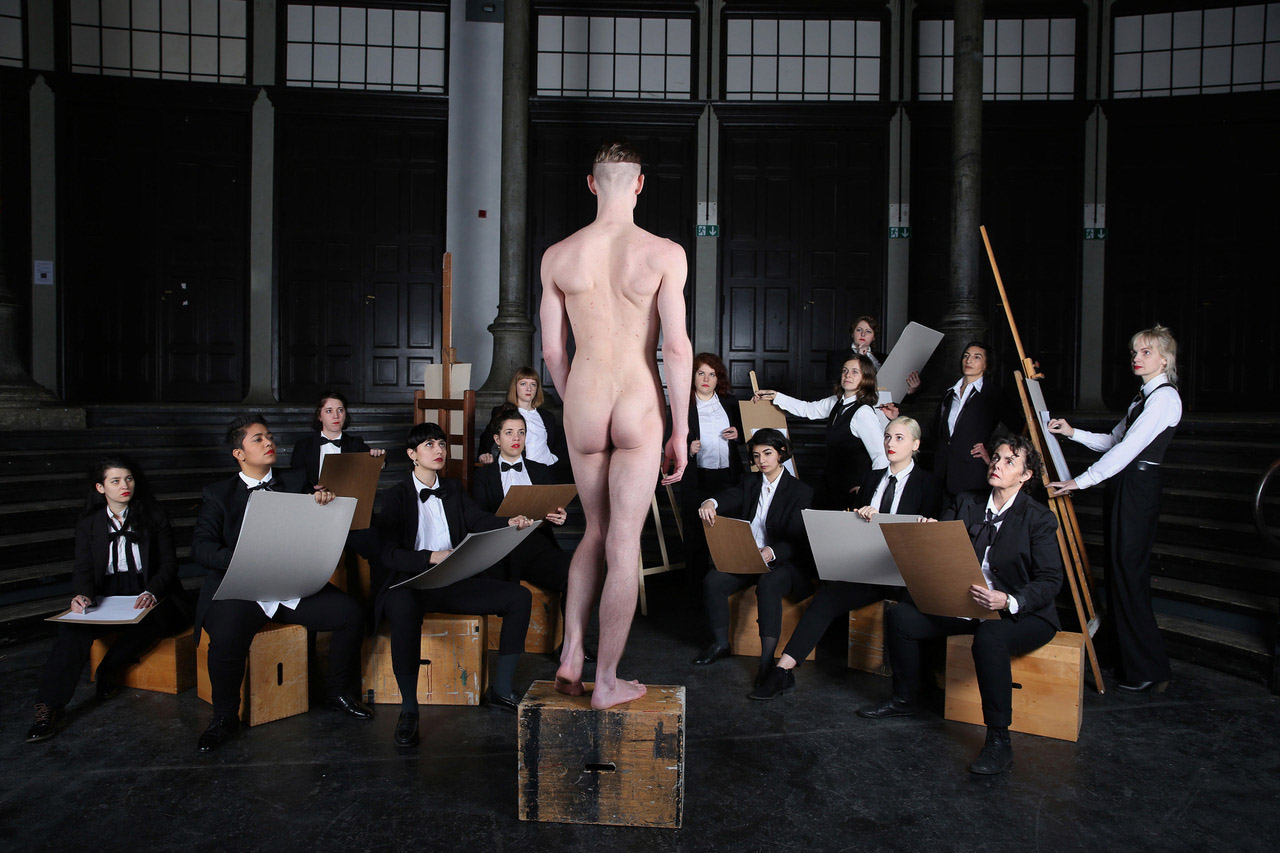
In her photographic series Rethinking History – An der Akademie, Julia Fuchs challenges male-dominated art traditions. By reversing roles, women become observers while men become objects, inviting reflection on power, perception and entrenched norms.
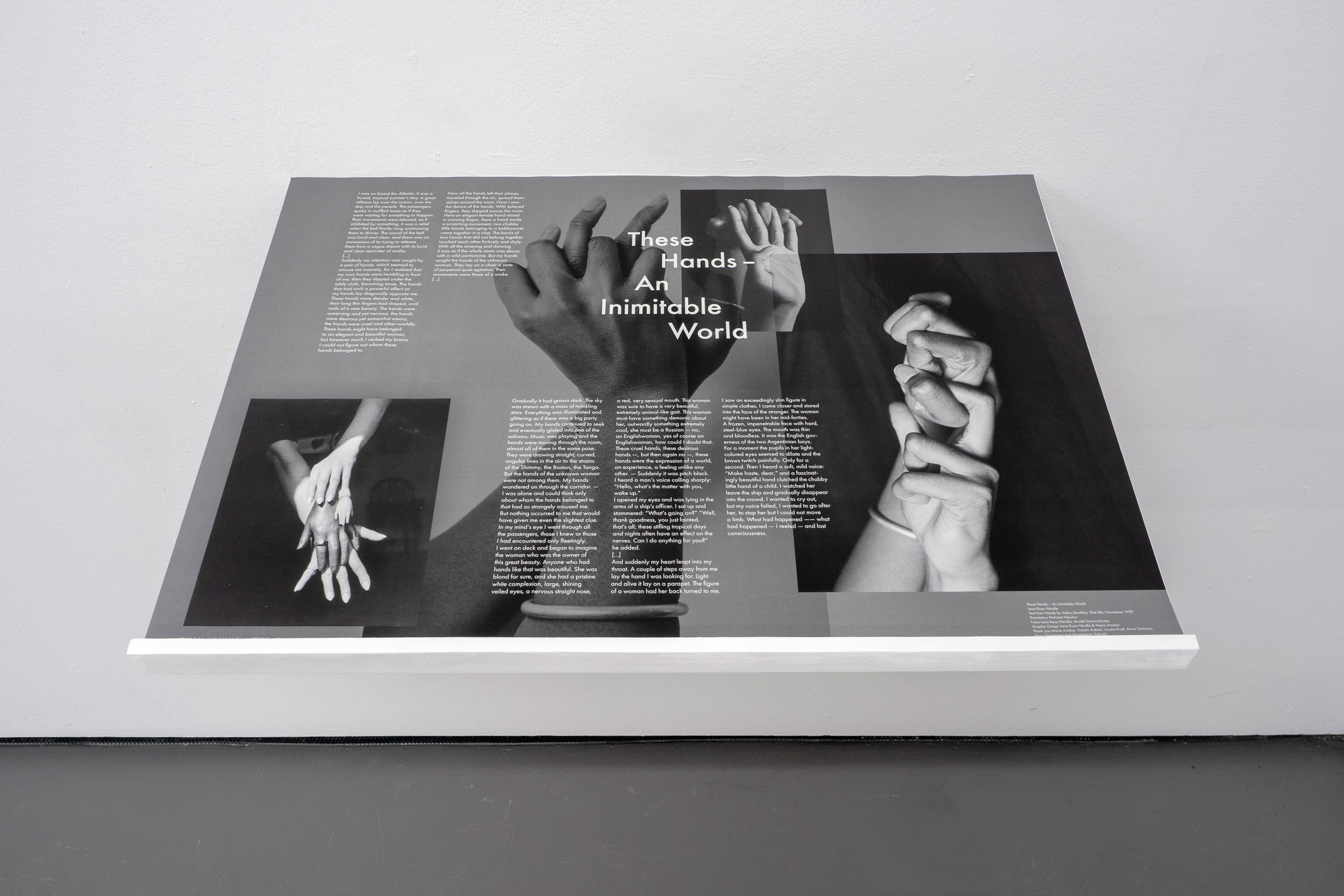
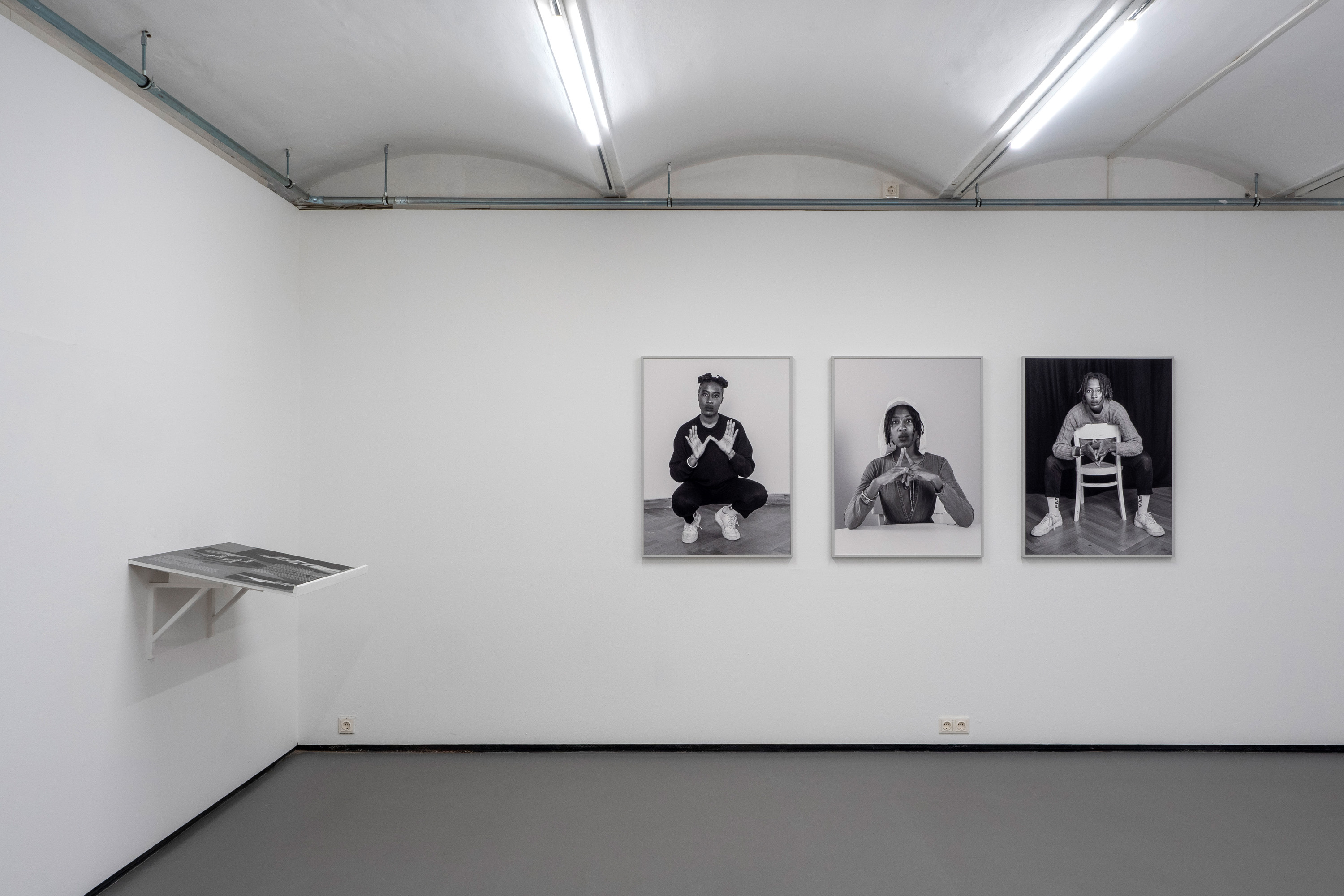
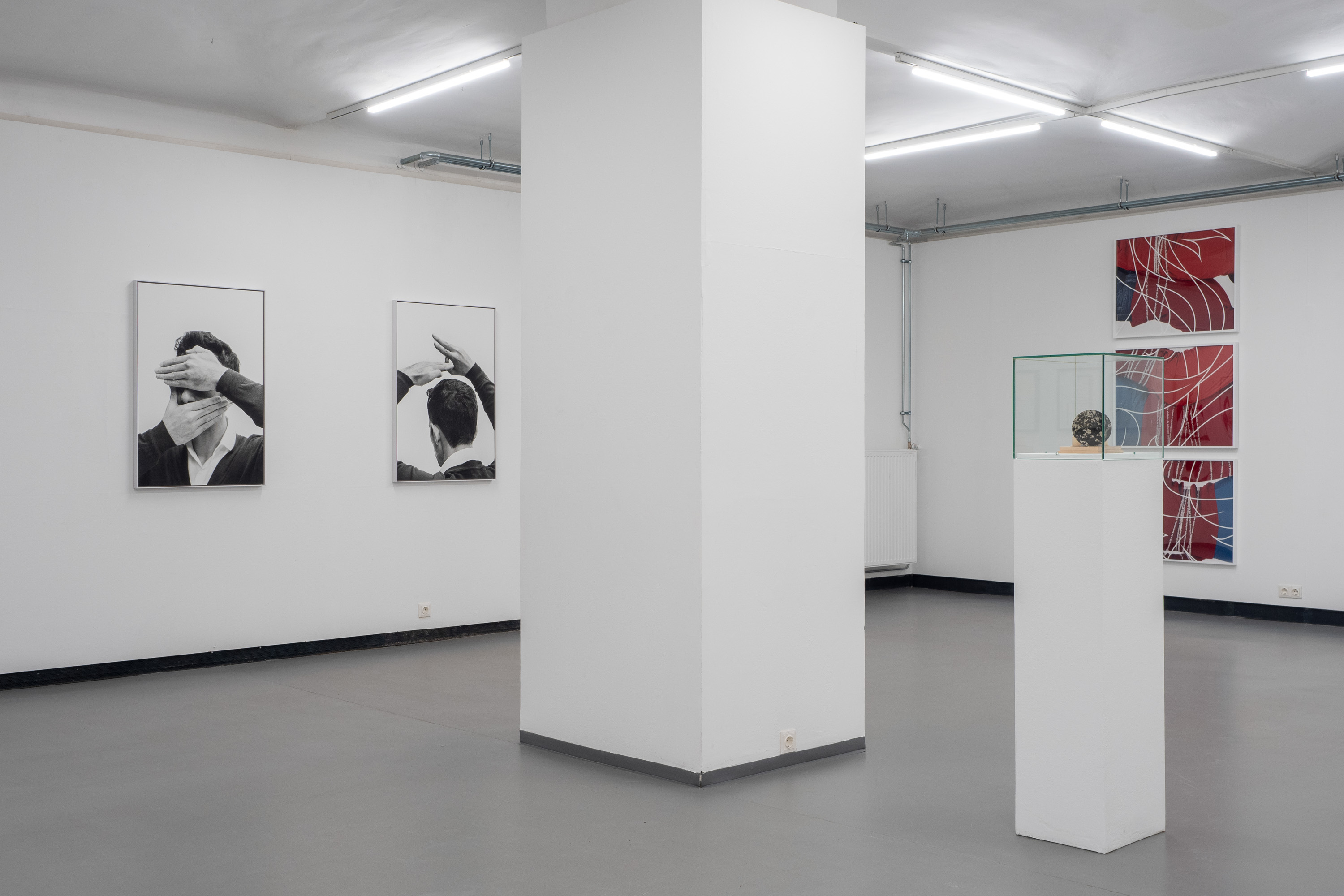
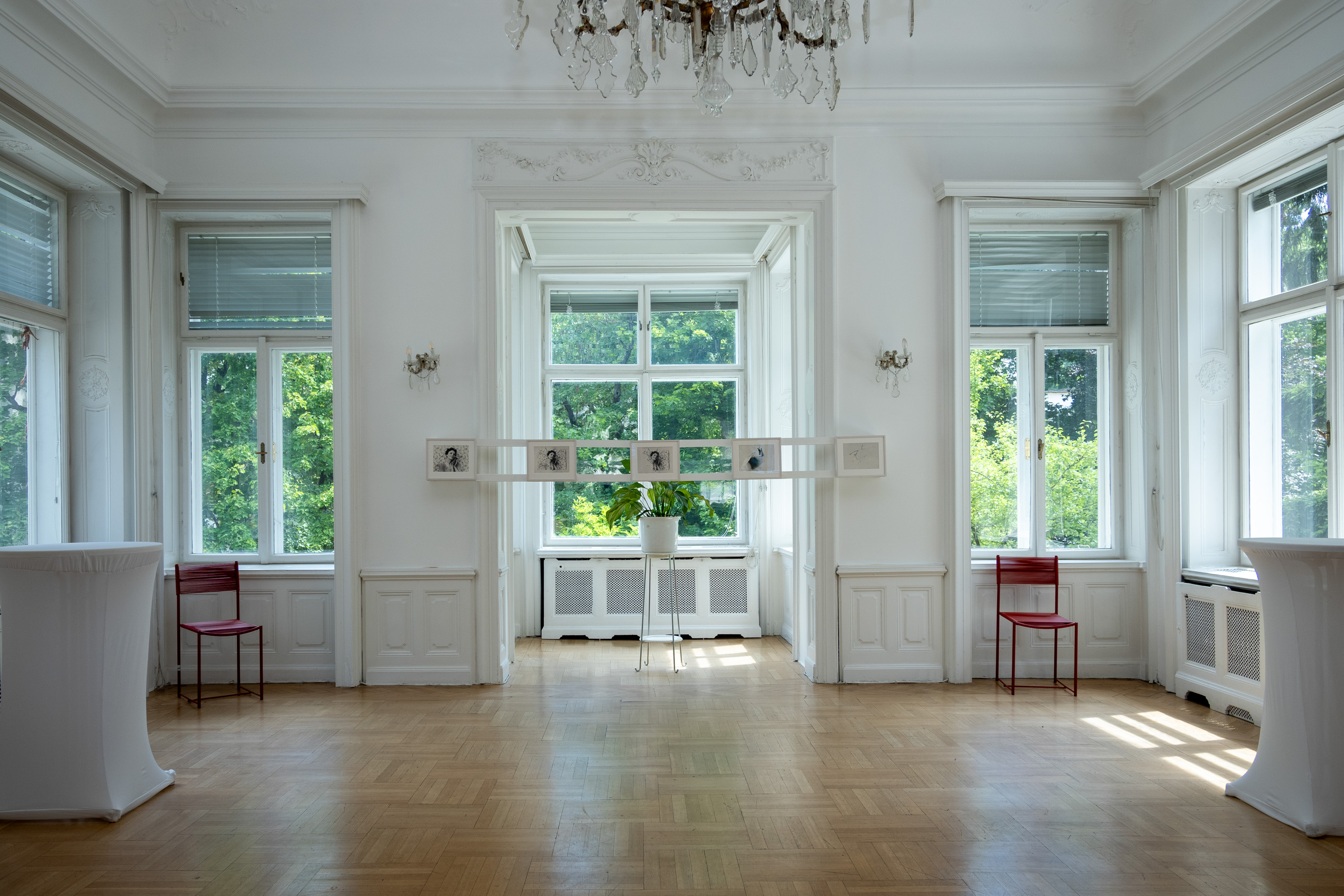
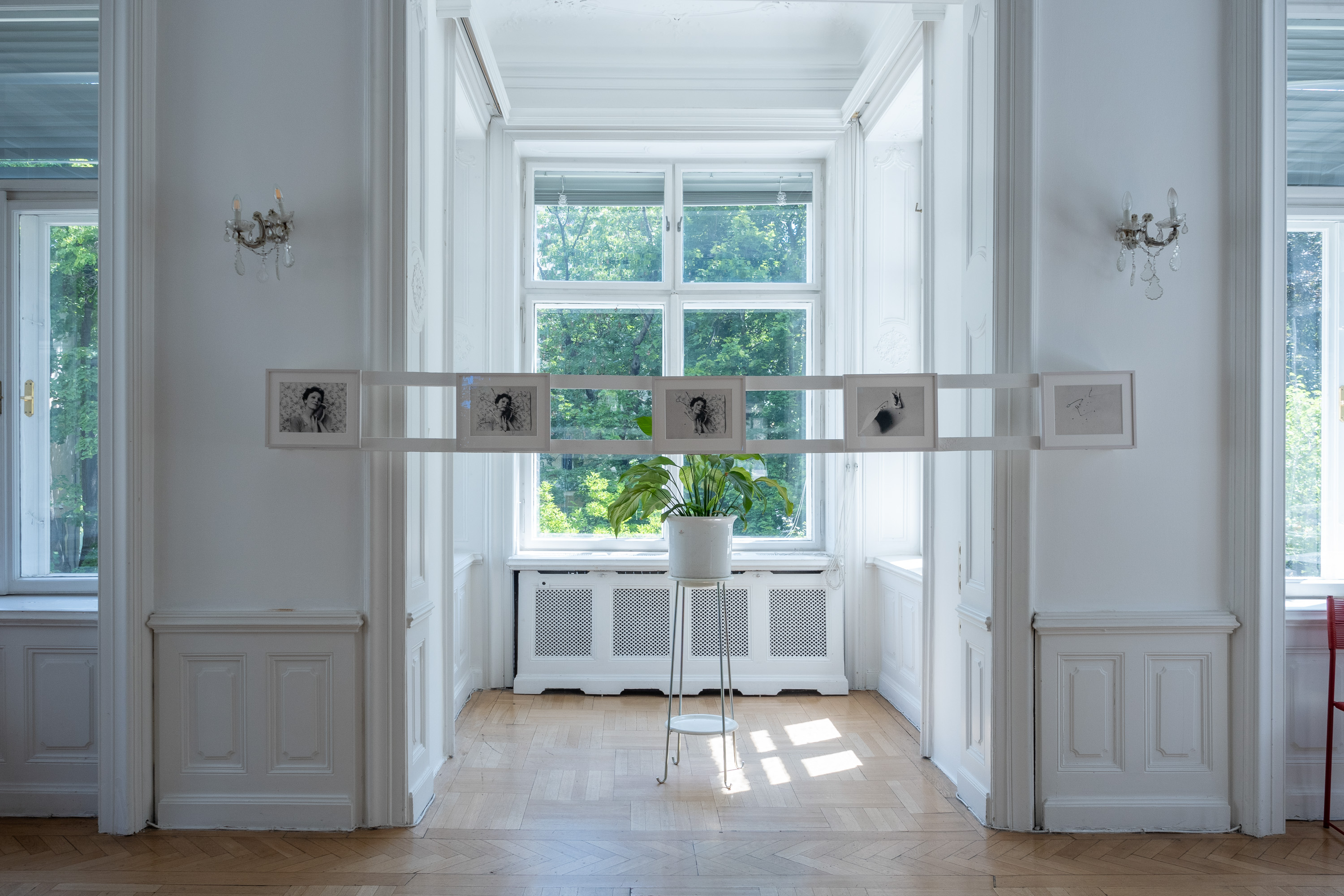
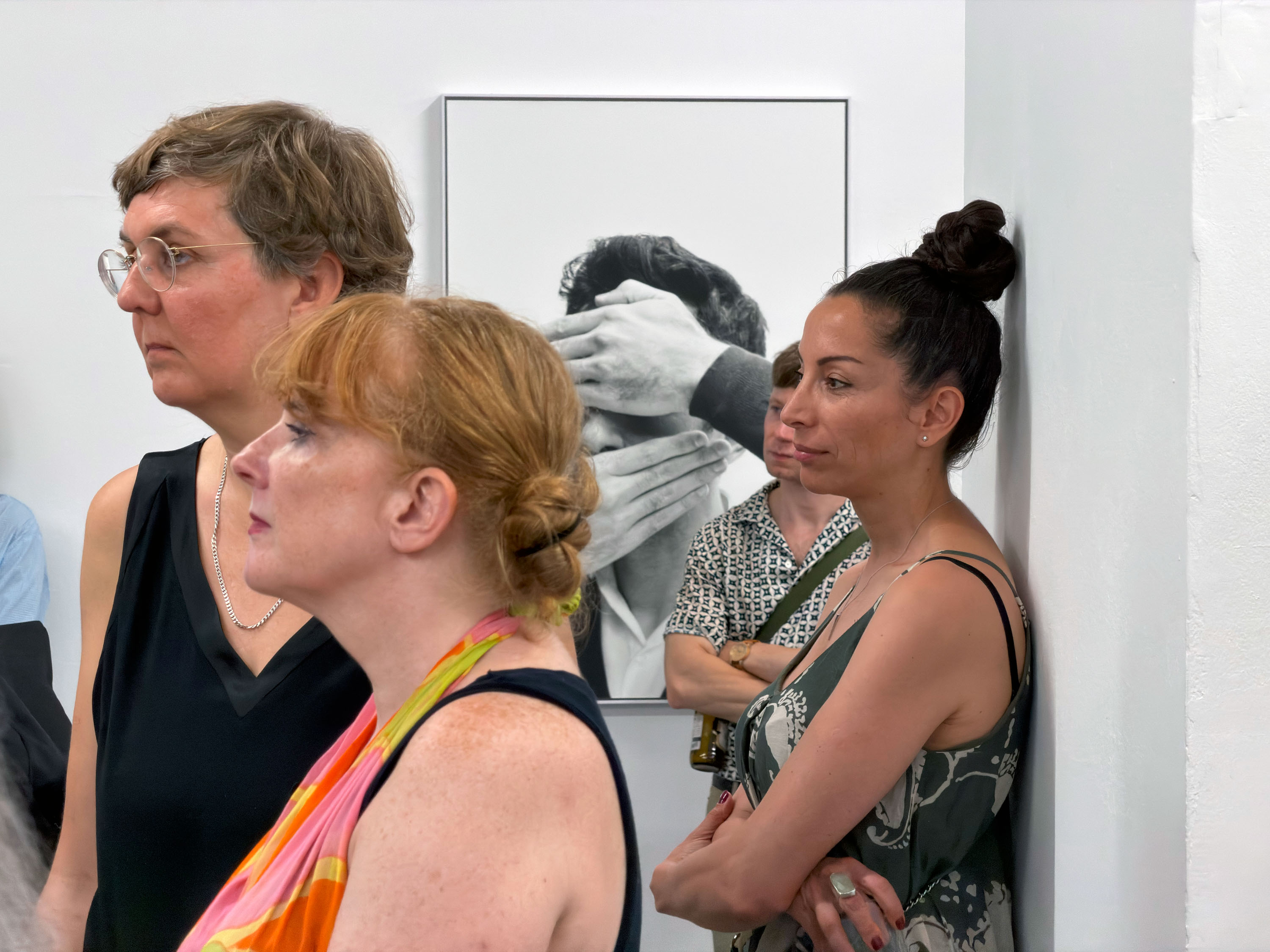
Lena Rosa Händle´s black-and-white photographs These Hands – An Inimitable World trace the development of hidden lesbian codes from the 1920s to the present day. Händle follows in the footsteps of the dancer Tilly Losch, the painter Mariette Lydis, and the artist Claude Cahun. The gestures preserved in photographs are reinterpreted and connect to female-run photography studios of the 1920s as sites of international exchange.
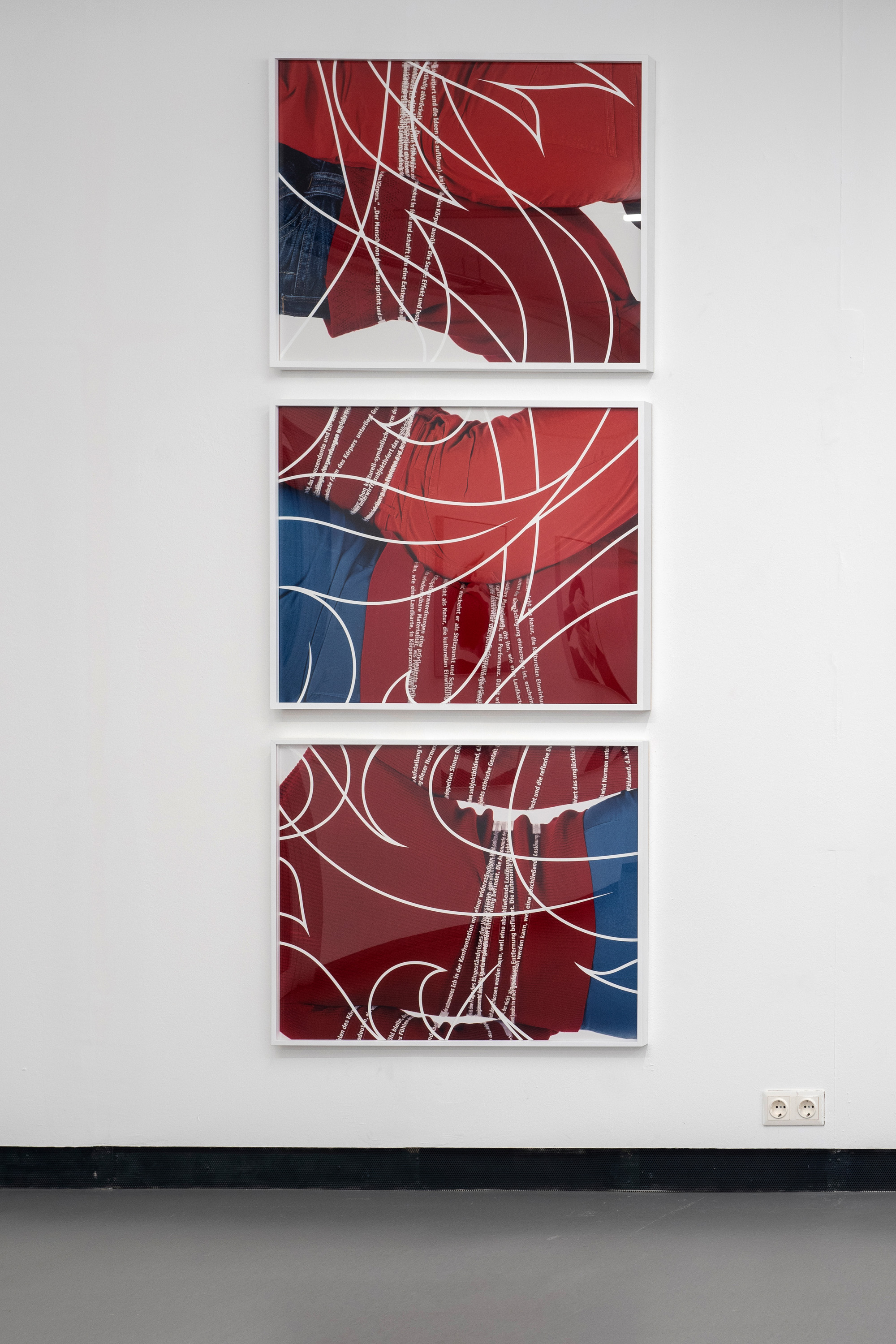
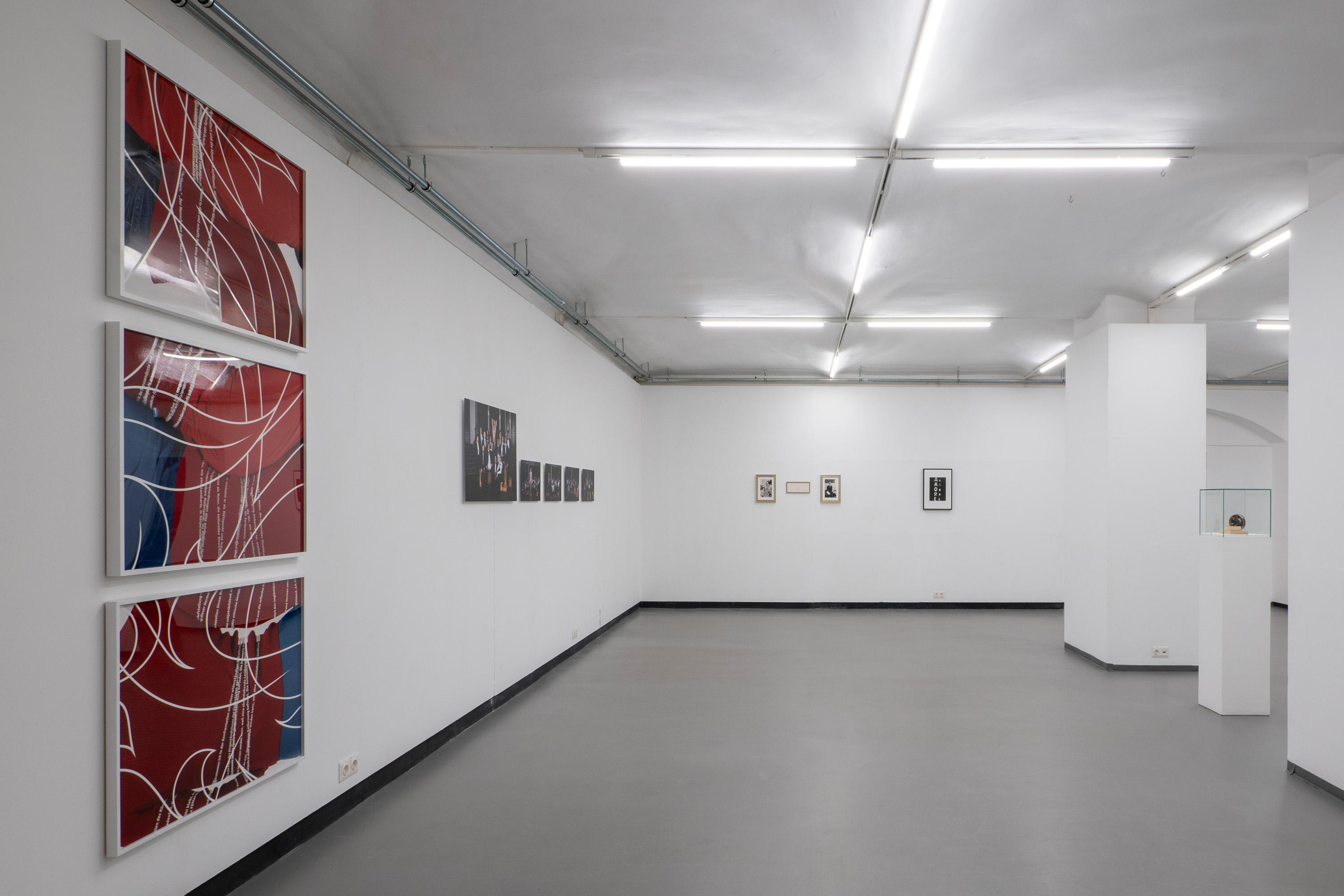
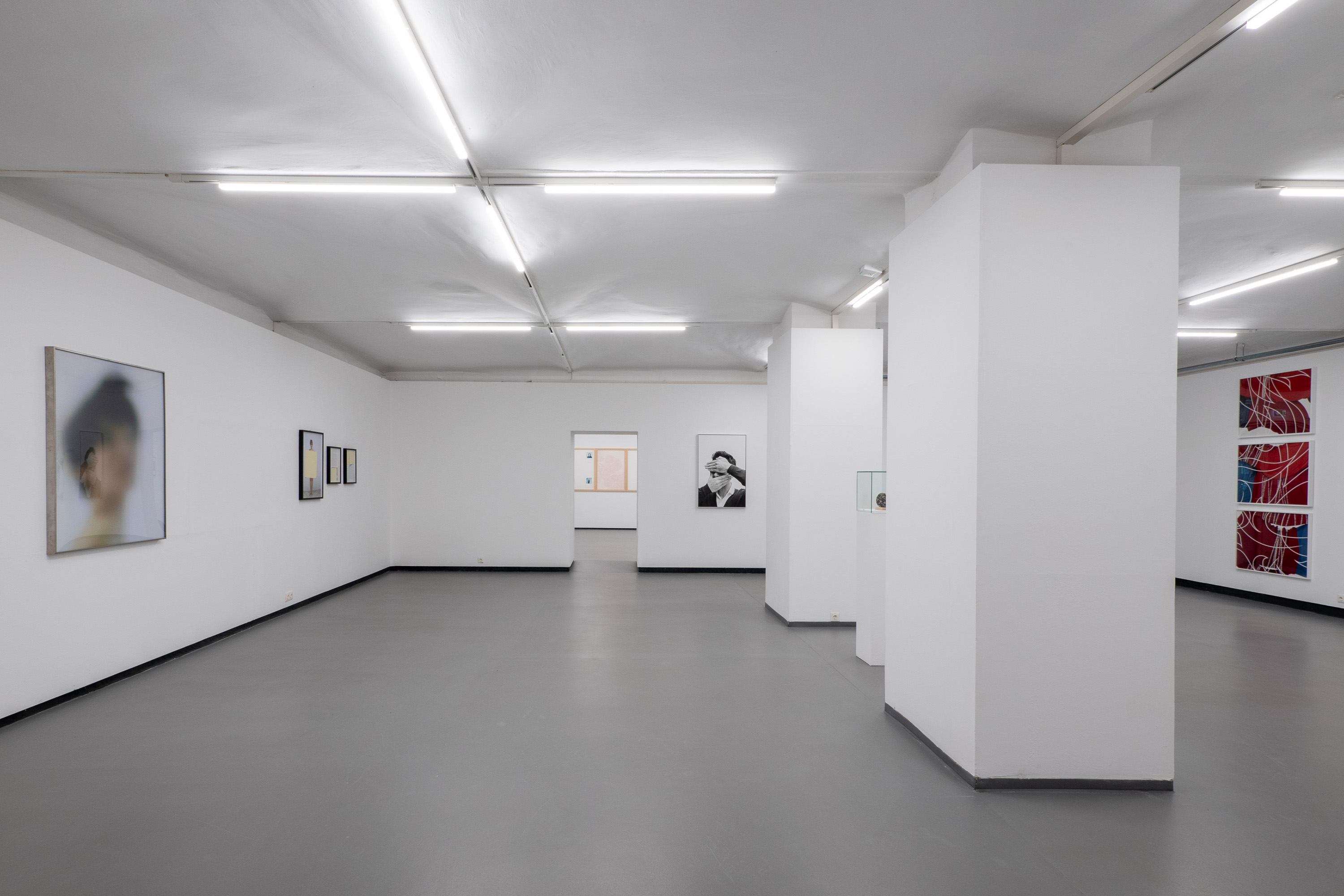
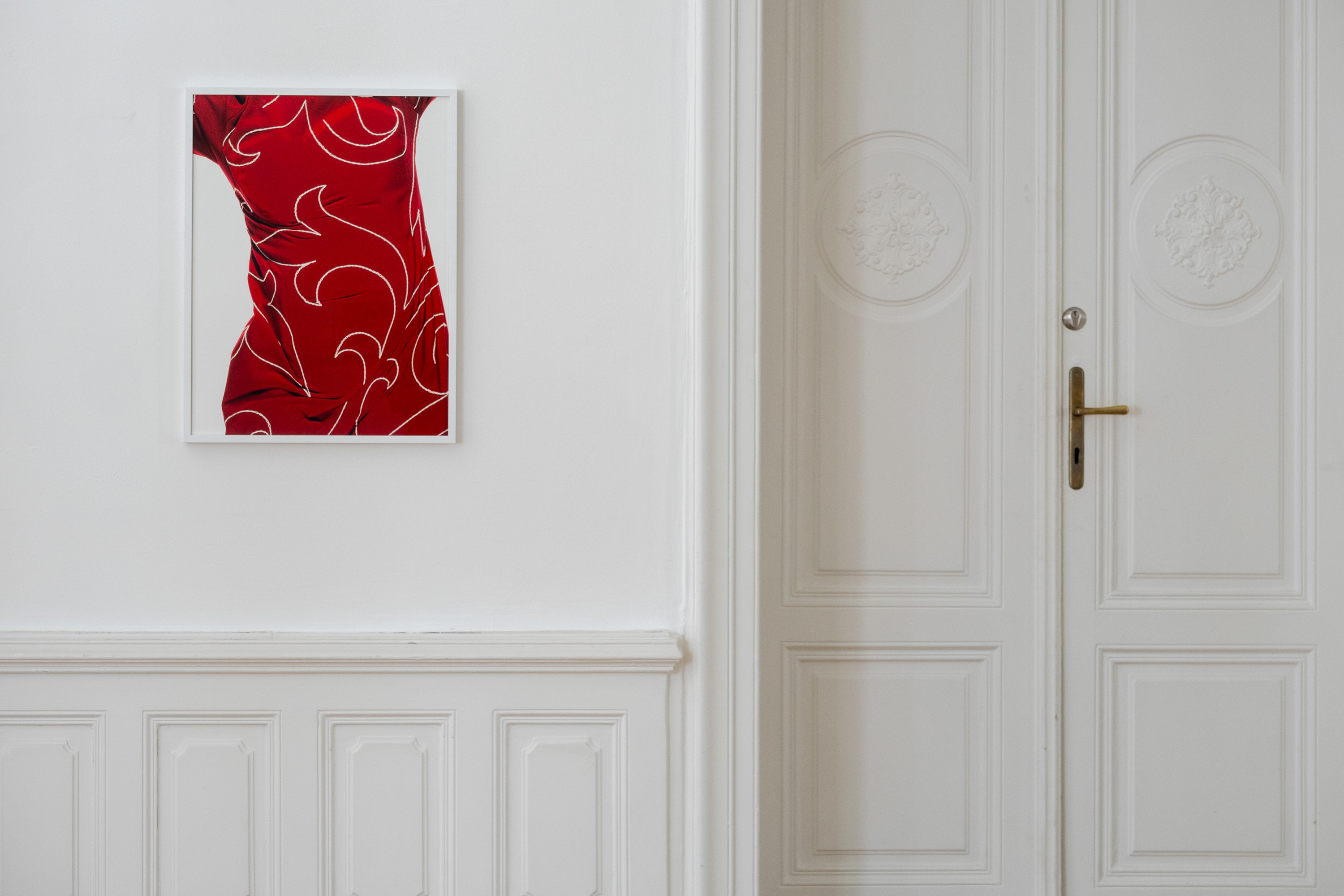
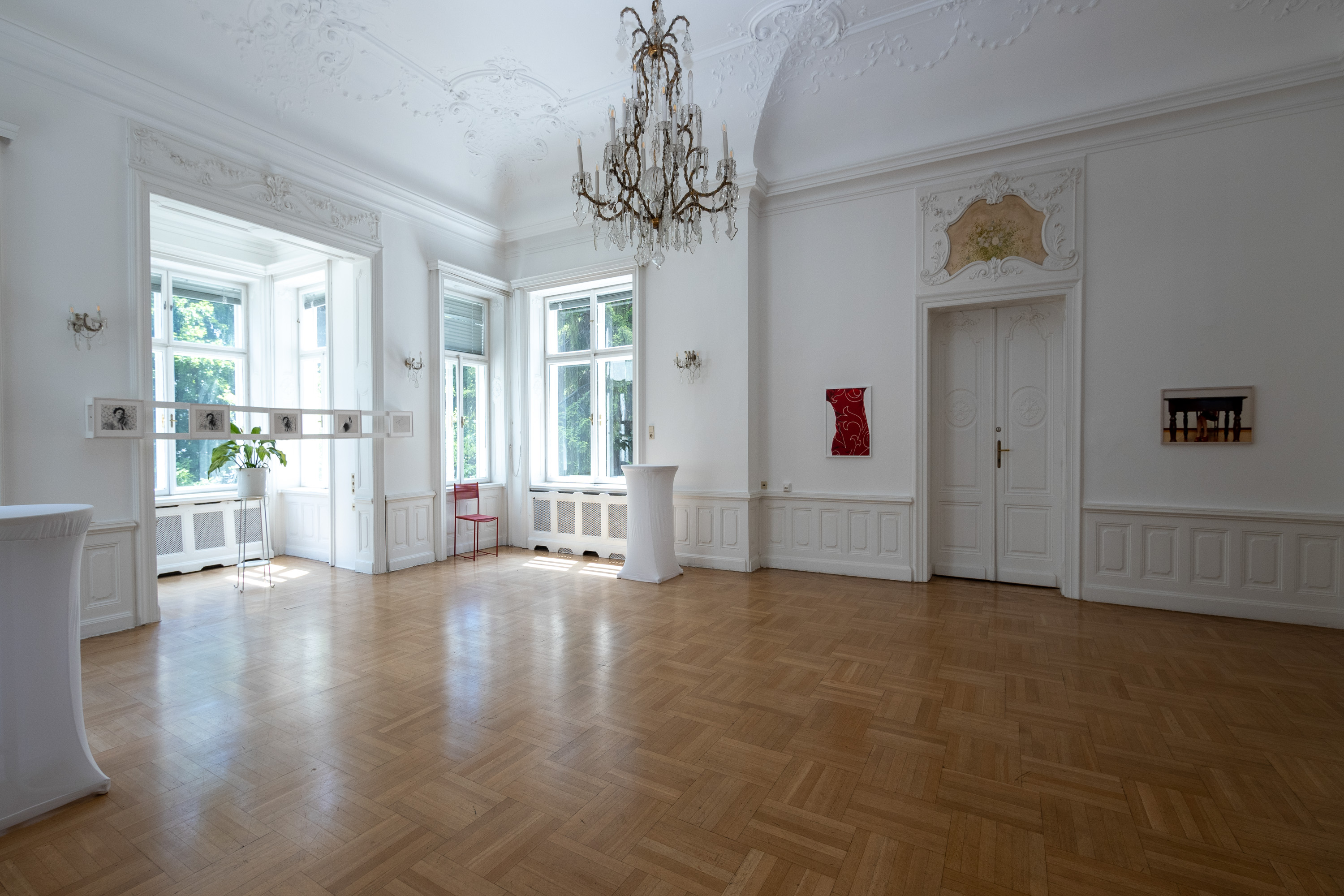
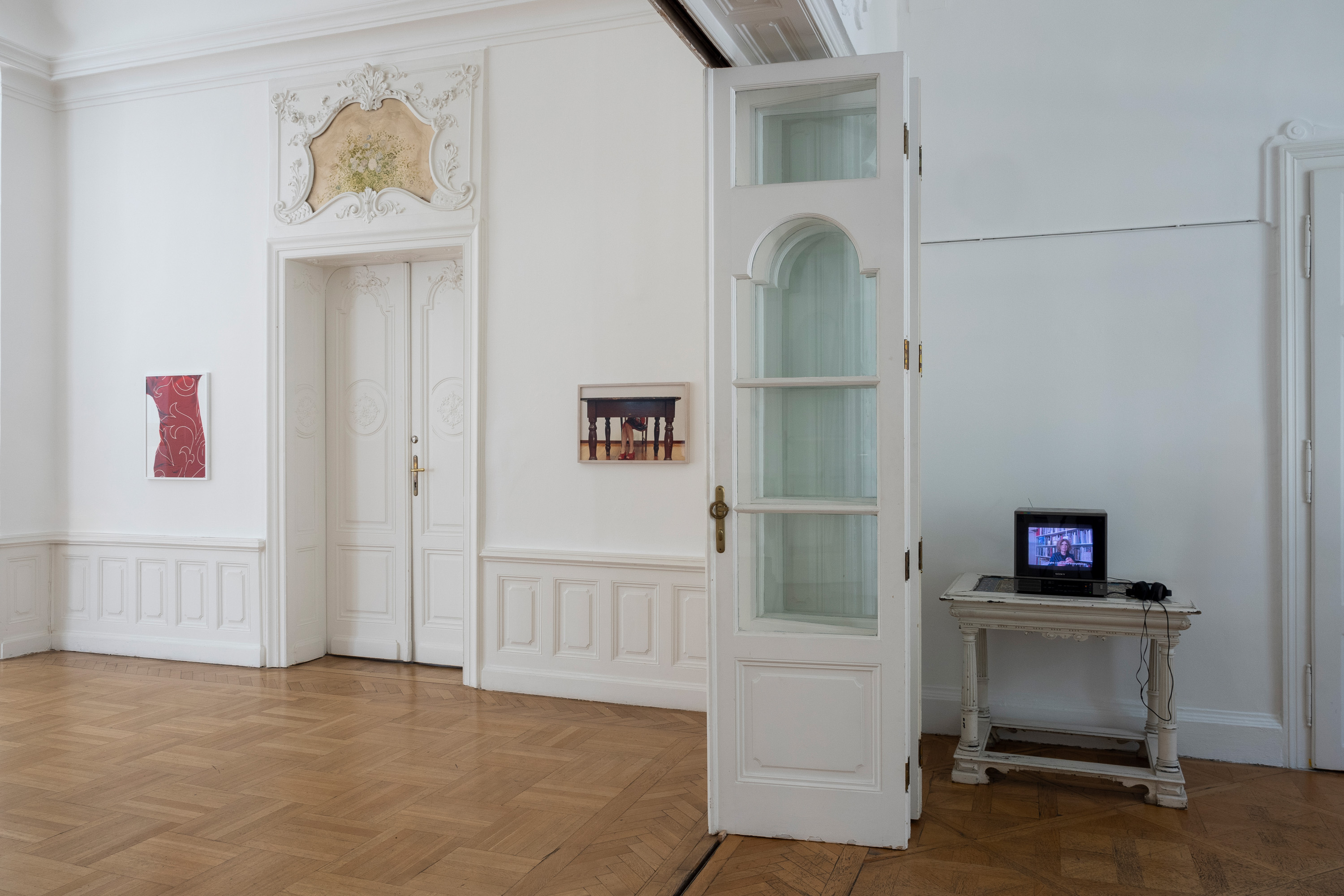
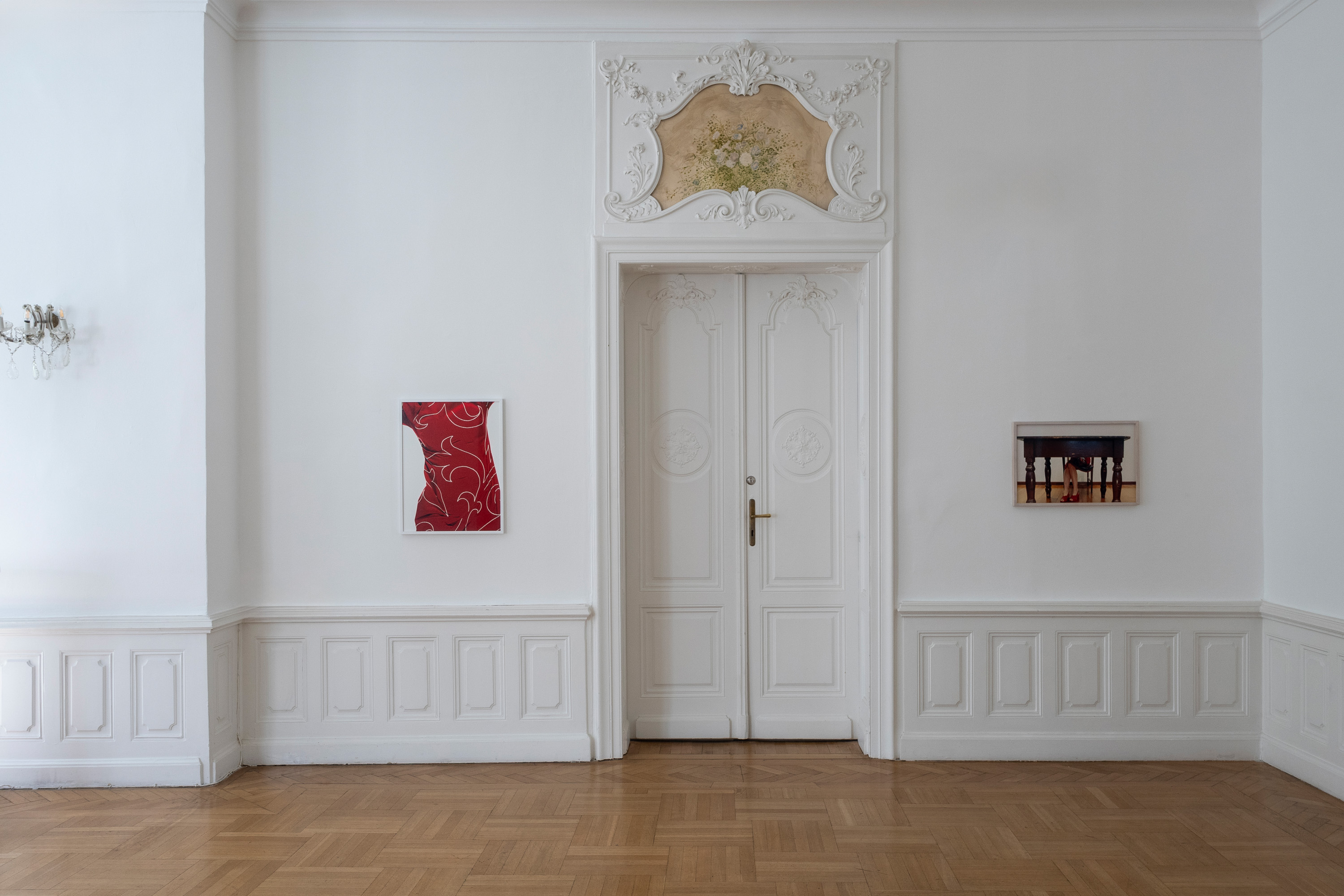
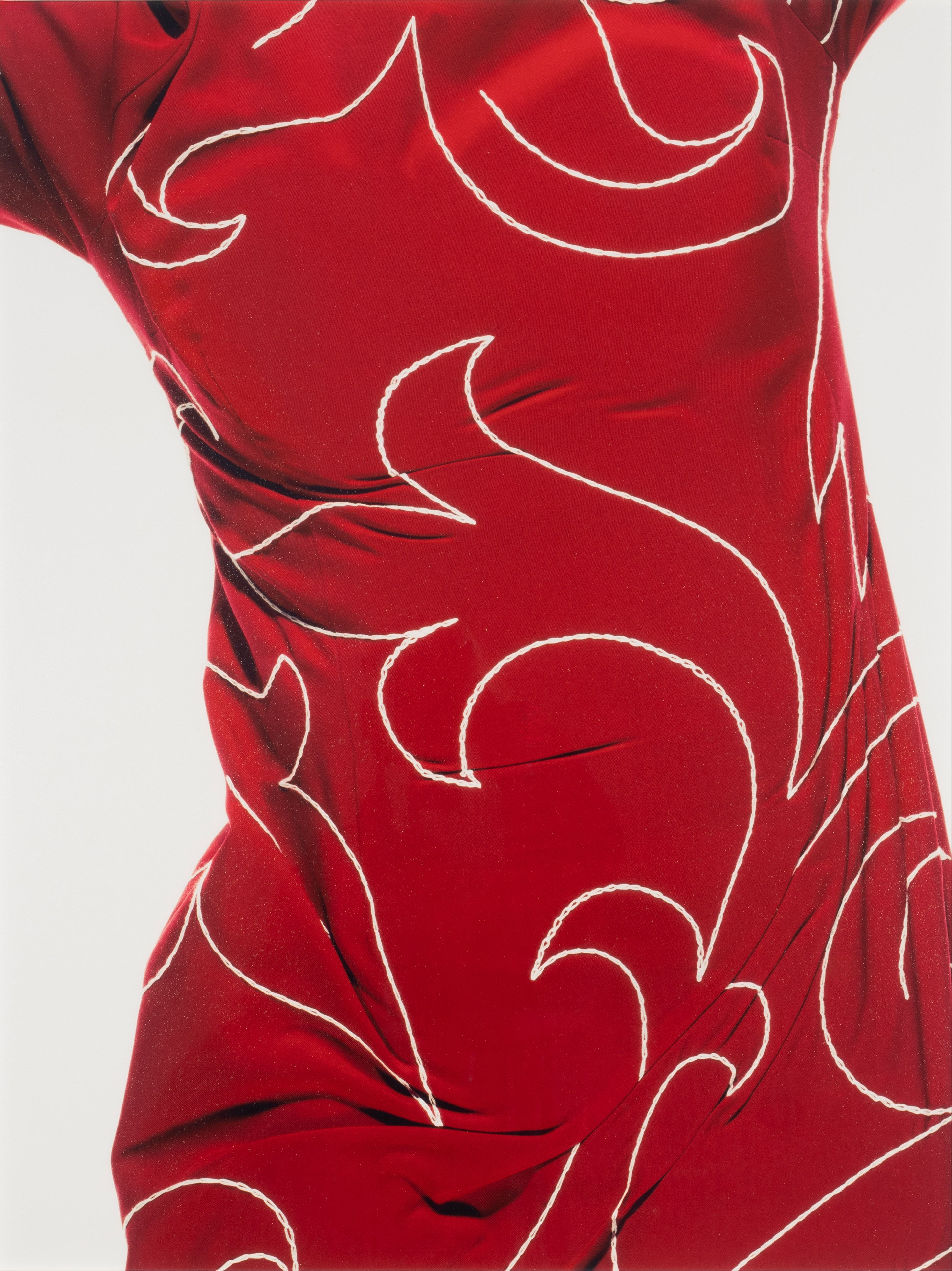
Maria Hahnenkamp questions patriarchal structures and the media´s portrayal of the female body. The photo series Cut-Out shows fragmented, constricted female bodies adorned with ornaments and text bands featuring quotes from the American philosopher and social scientist Judith Butler. The pigment print Kleid, a video still, depicts a fragmented female body wearing a blood-red dress embroidered with ornamental patterns.
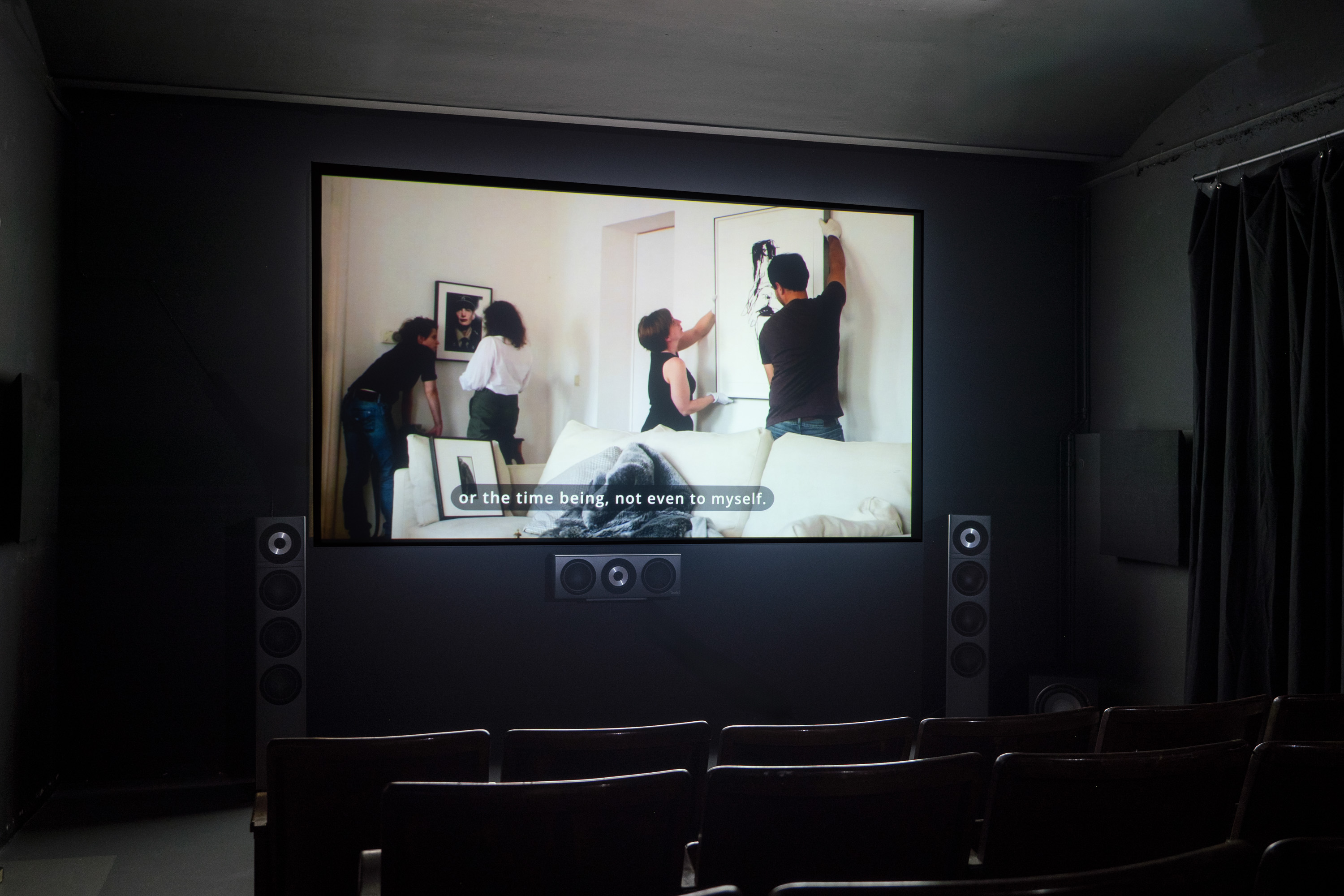
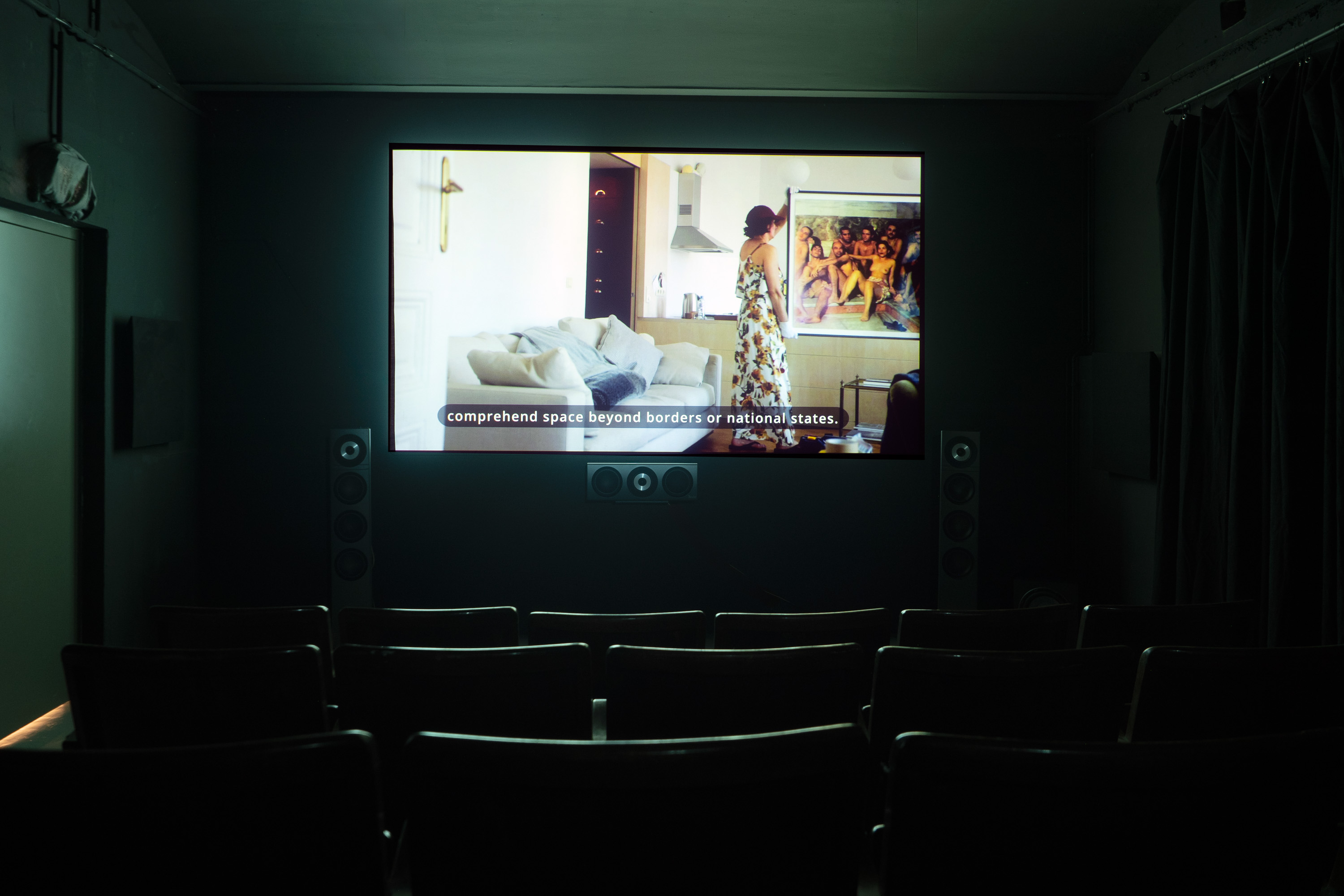
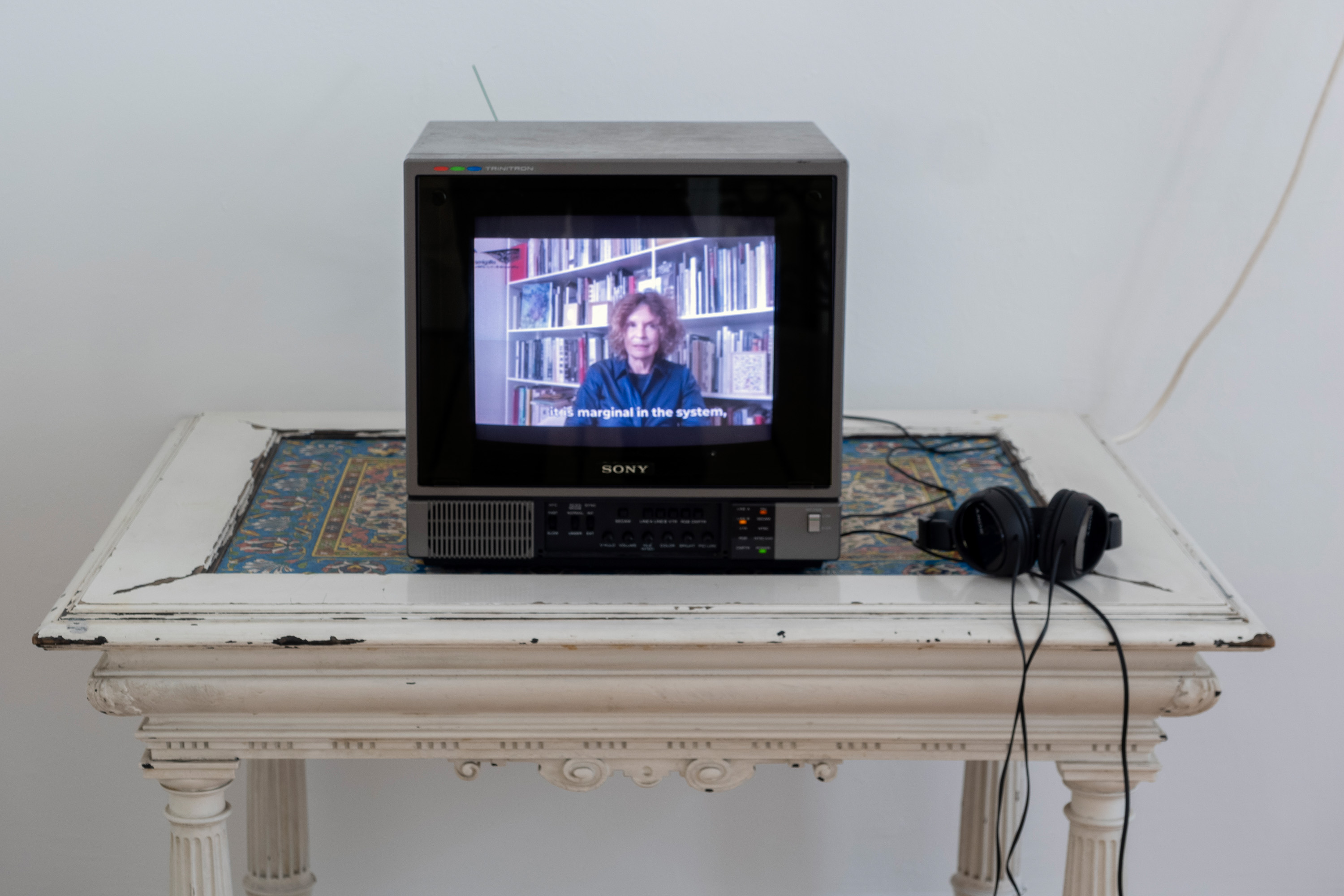
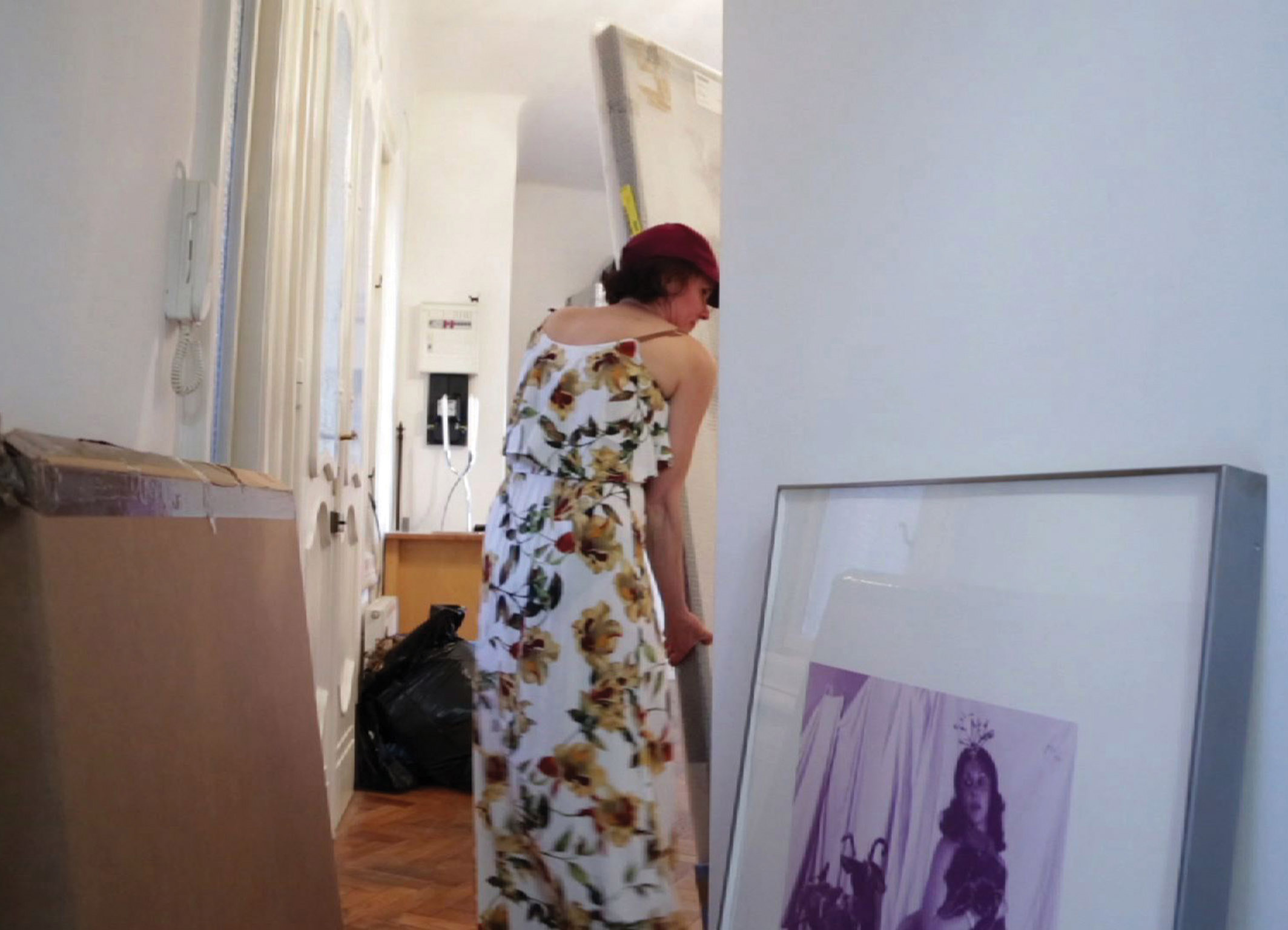
Veronika Hösch´s video essay Another HerStory documents the third presentation of the art collection of Viennese lawyer Alexia Stuefer, featuring works by women artists shown within private domestic spaces. During the installation process, curatorial decisions become visible and shifting hierarchies are revealed.
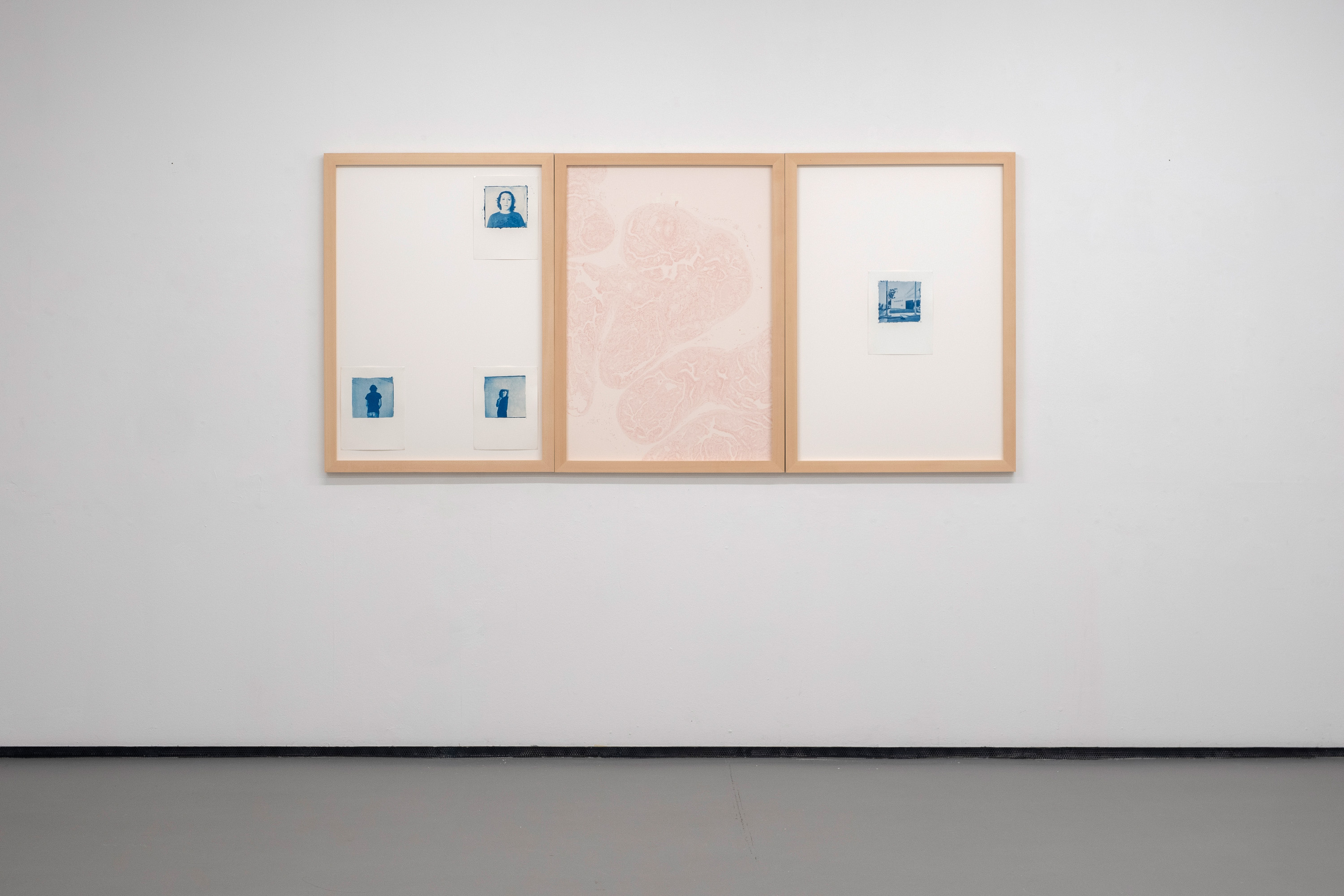
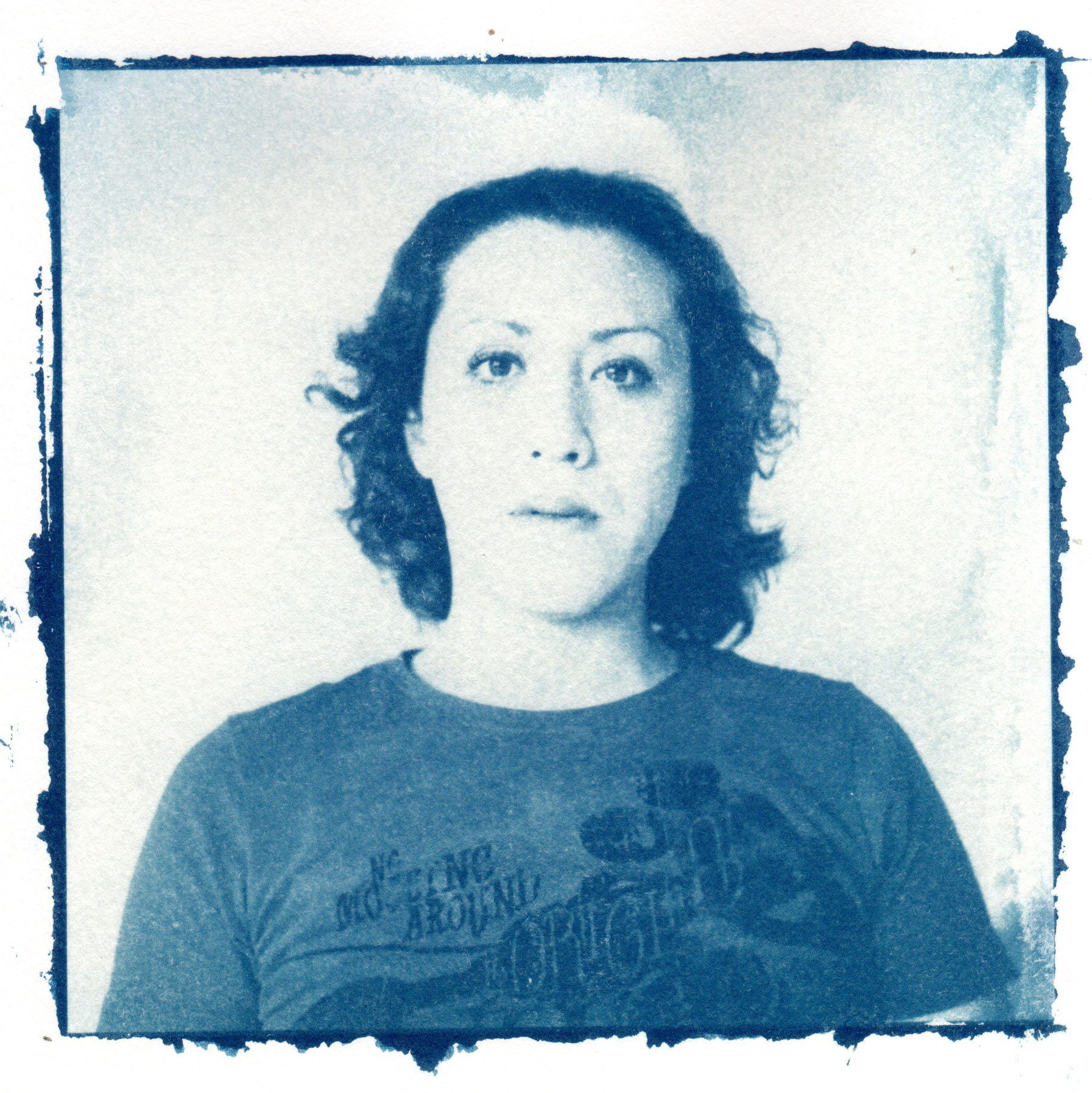
For her cyanotype series Casa Azul, Giulia Iacolutti accompanied trans women in a men´s prison in Mexico City, where they are forced to wear blue clothing. Marked by uniformity and incarceration, their identities reveal a resistance to the roles imposed upon them.
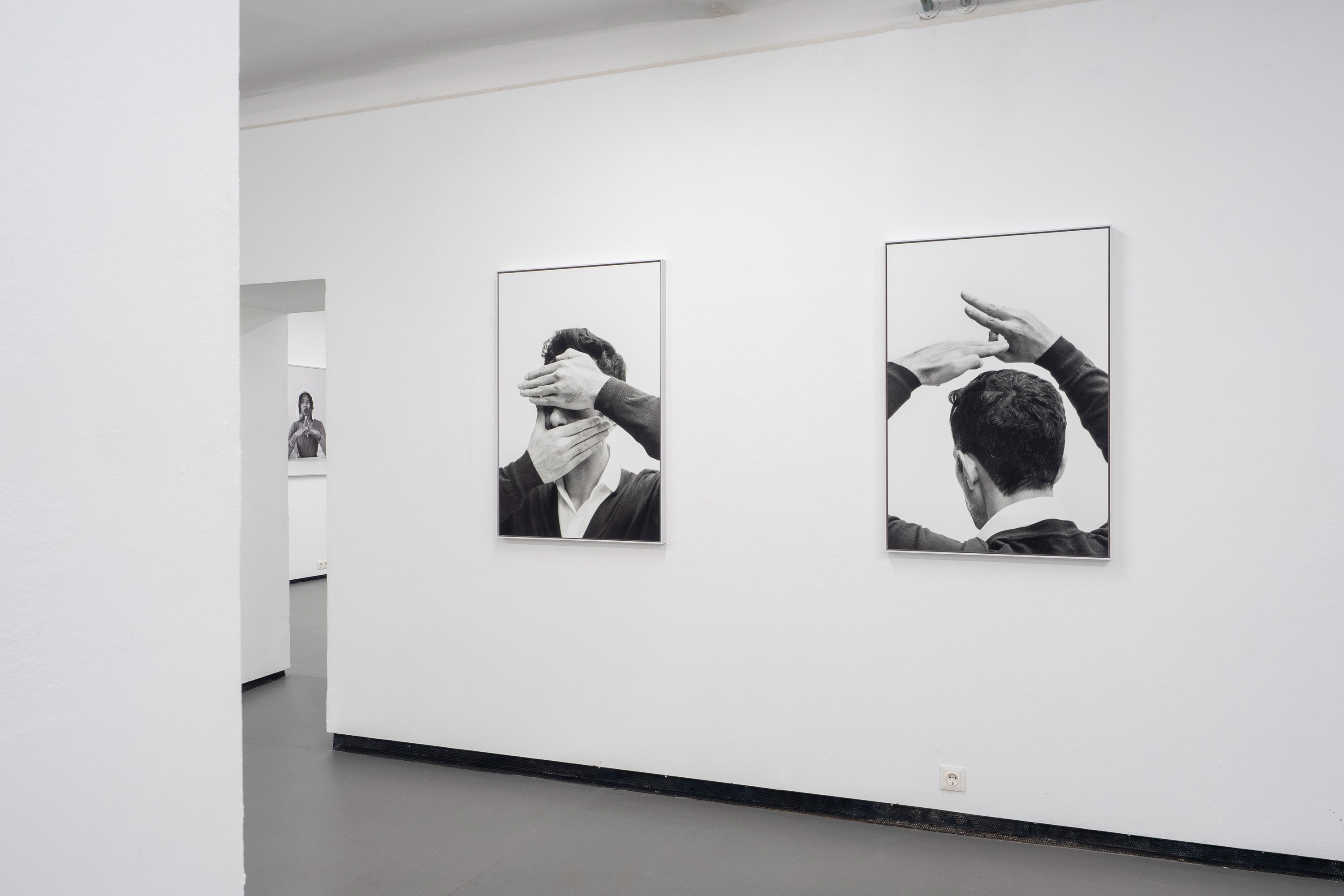
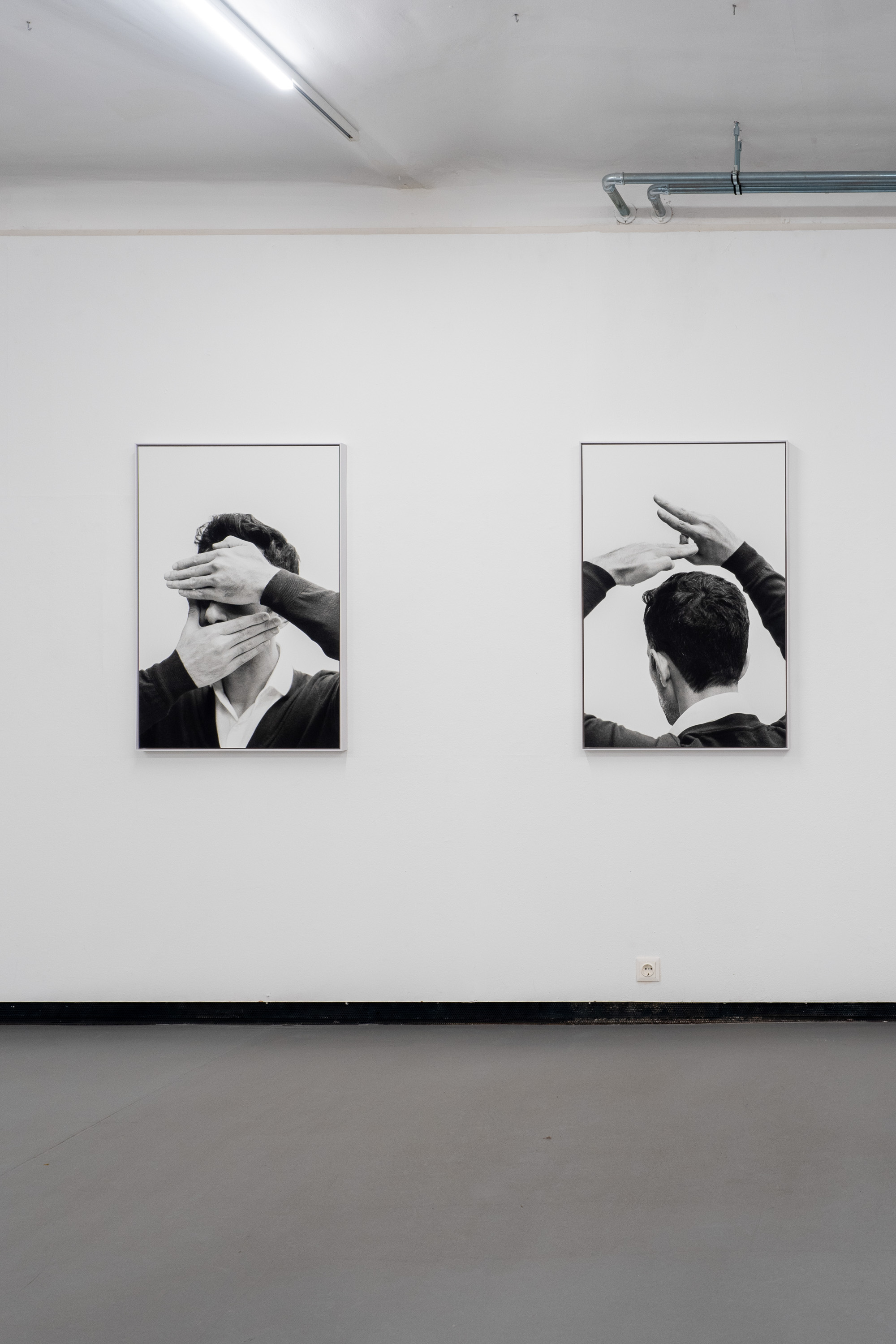
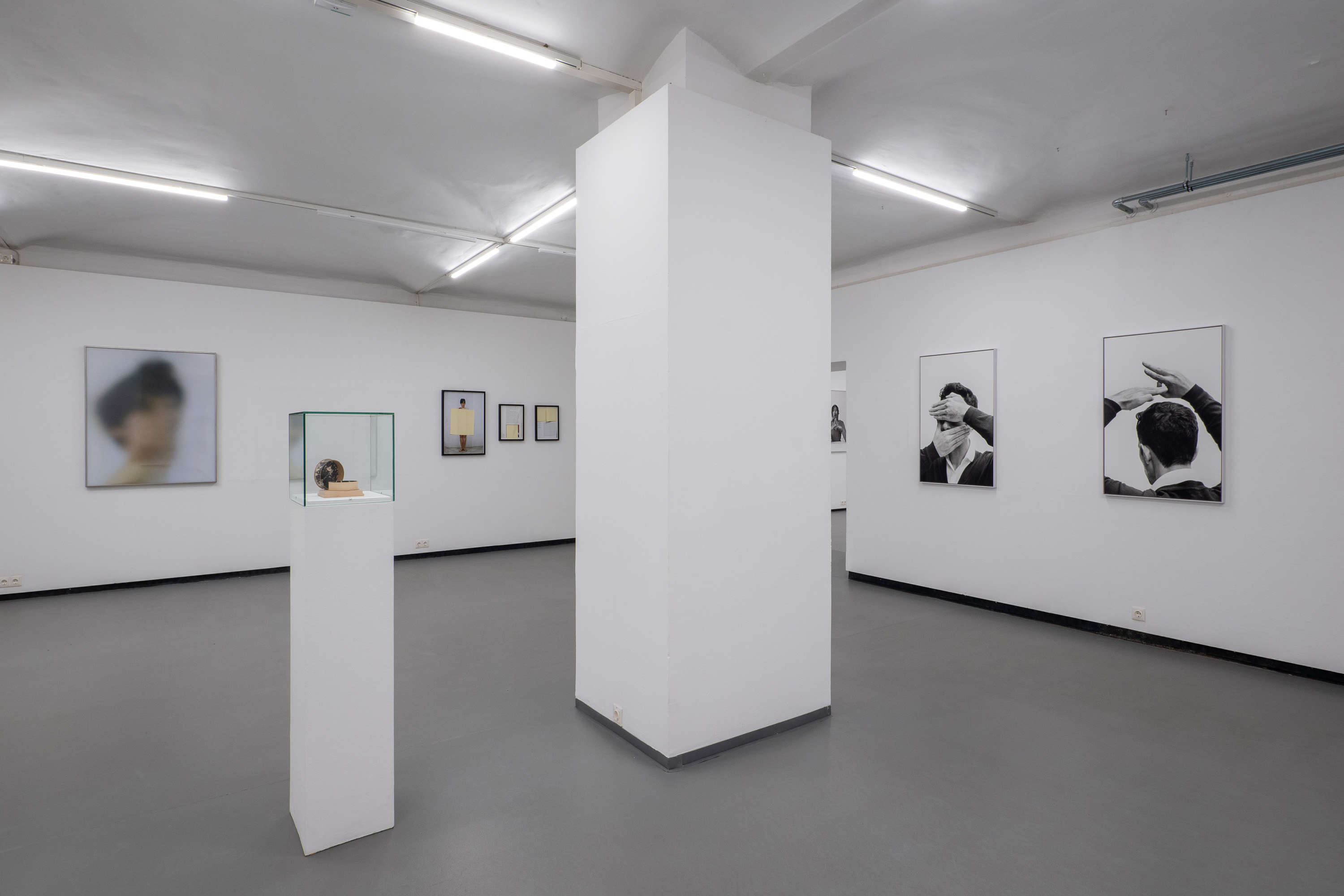
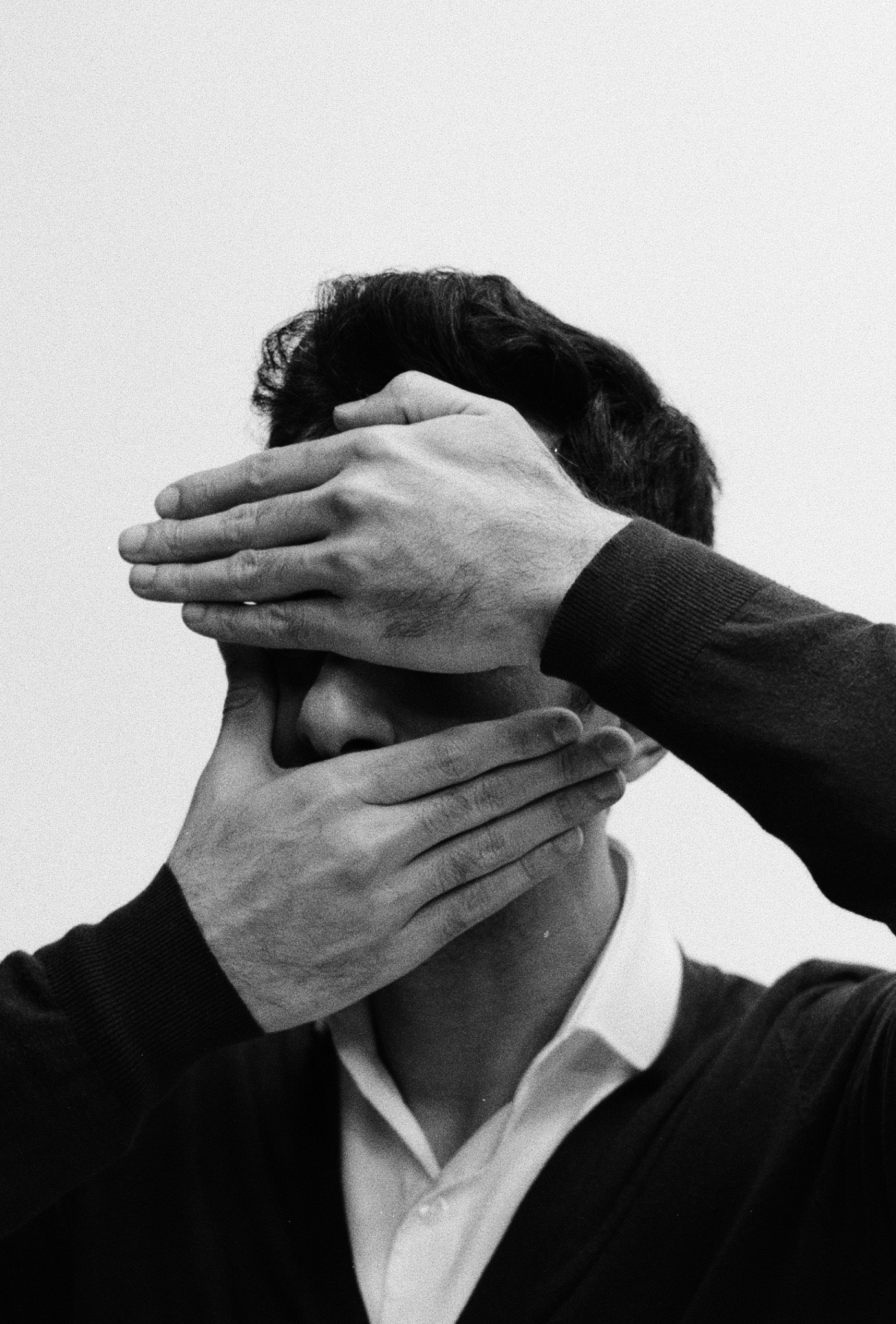
In her black-and-white photographs Silent Protest, Soli Kiani addresses the loss of control and freedom in Iran. A man performs silent gestures of solidarity with women, pointing to questions of human dignity and resistance.
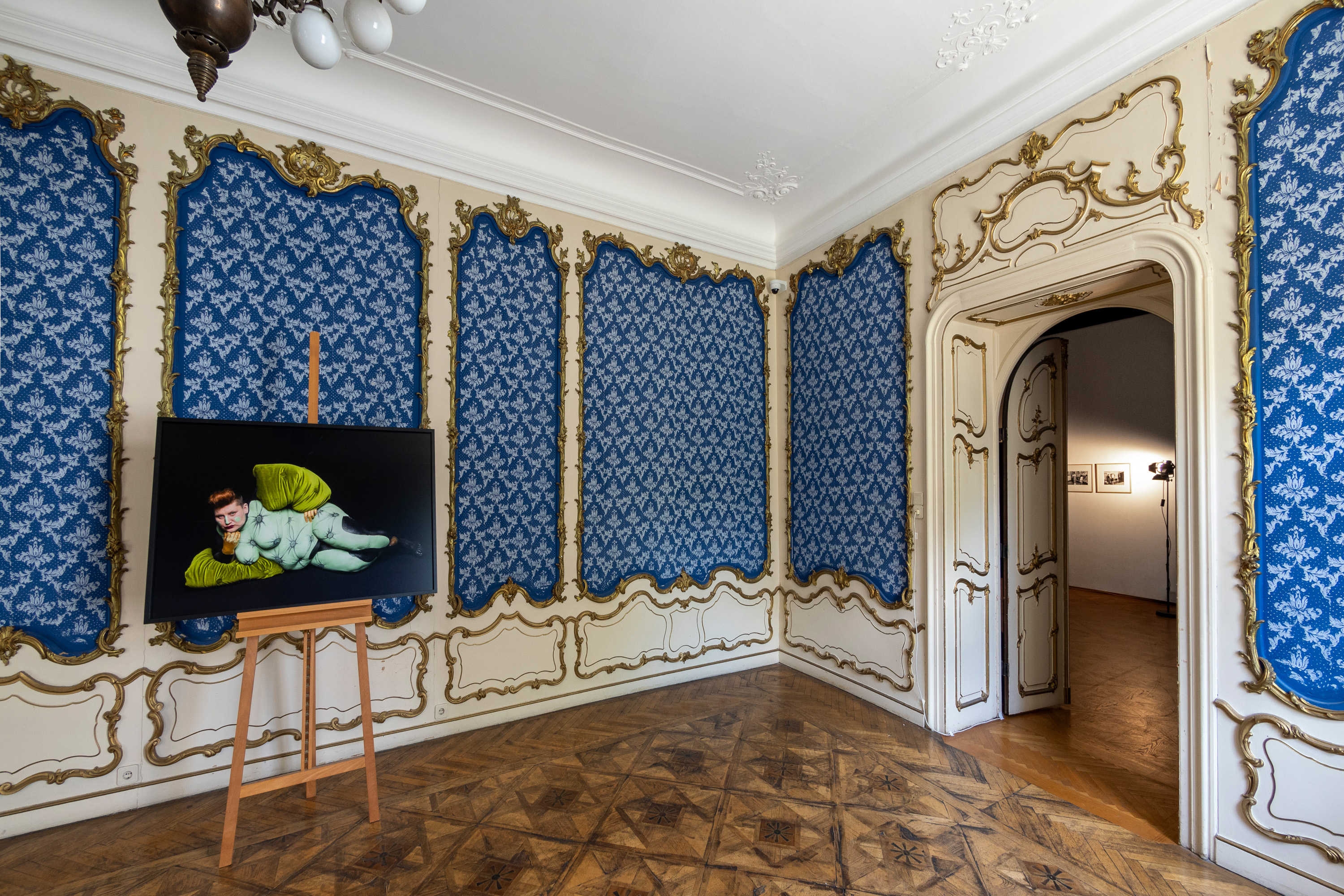
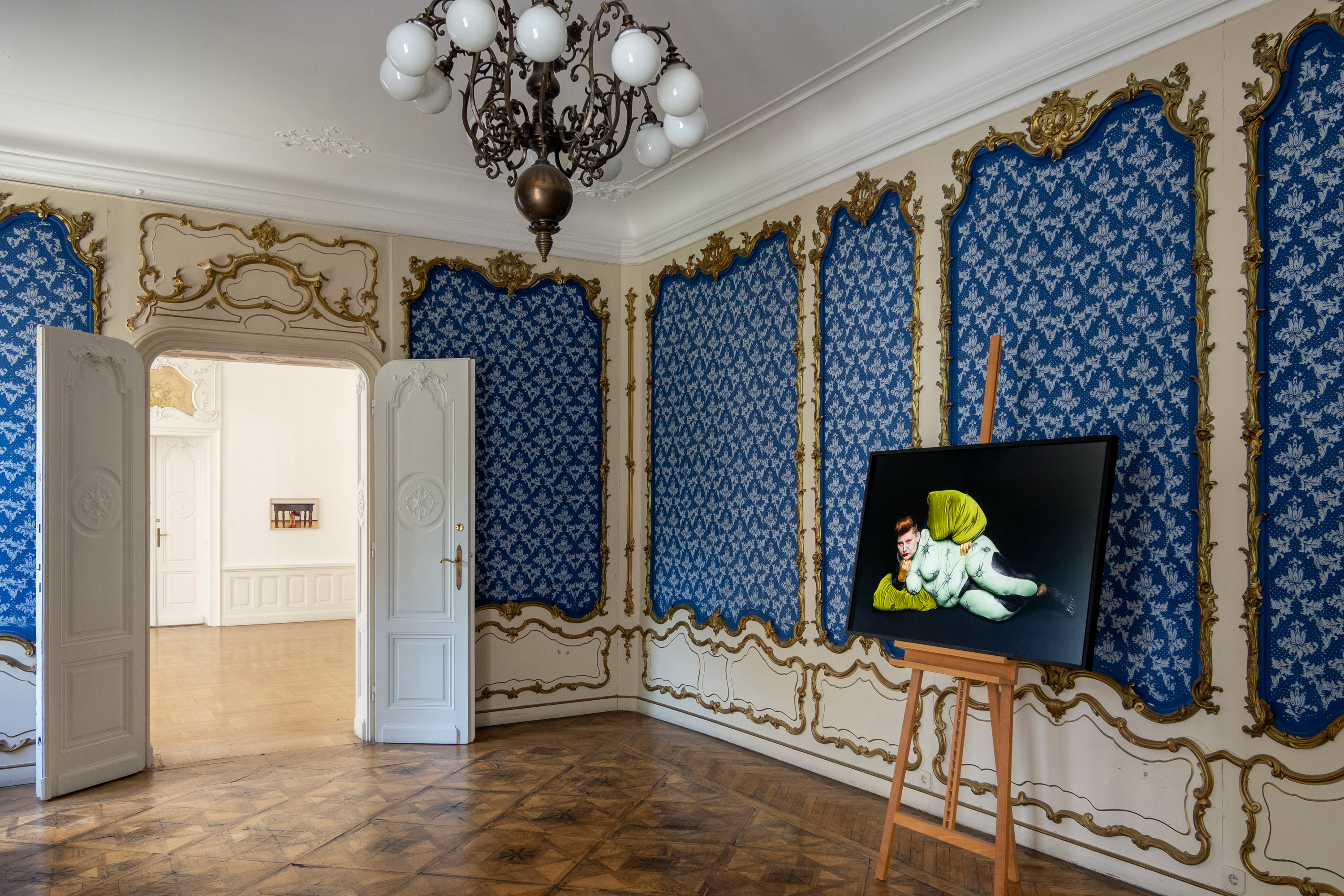
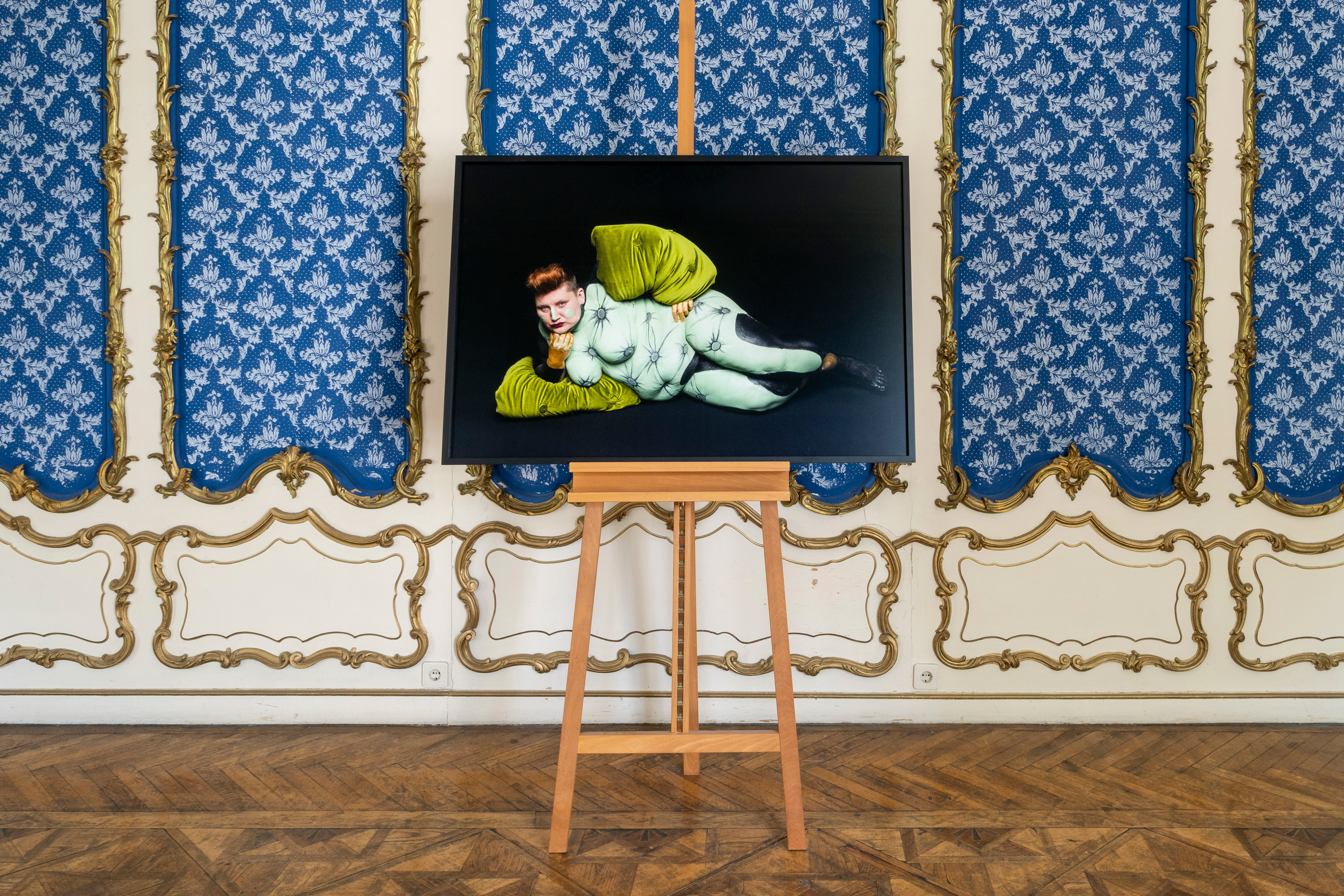
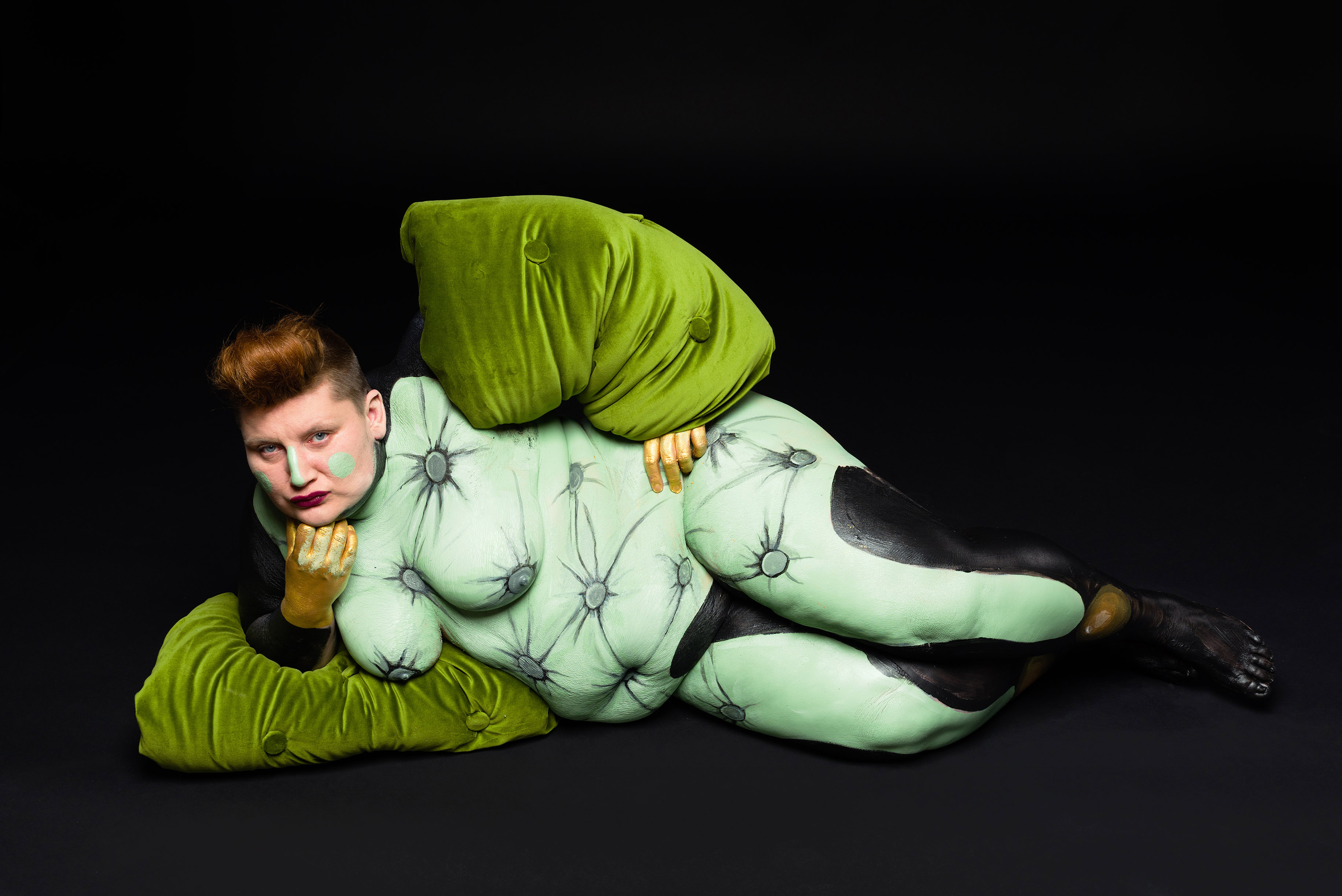
Jakob Lena Knebl´s photograph Chesterfield references a classic English sofa and transfers its form onto the artist´s body. Often associated with male-dominated club environments, the work questions specific notions of gender, bodily norms and the representation of women as objects of comfort for male desire and gratification.
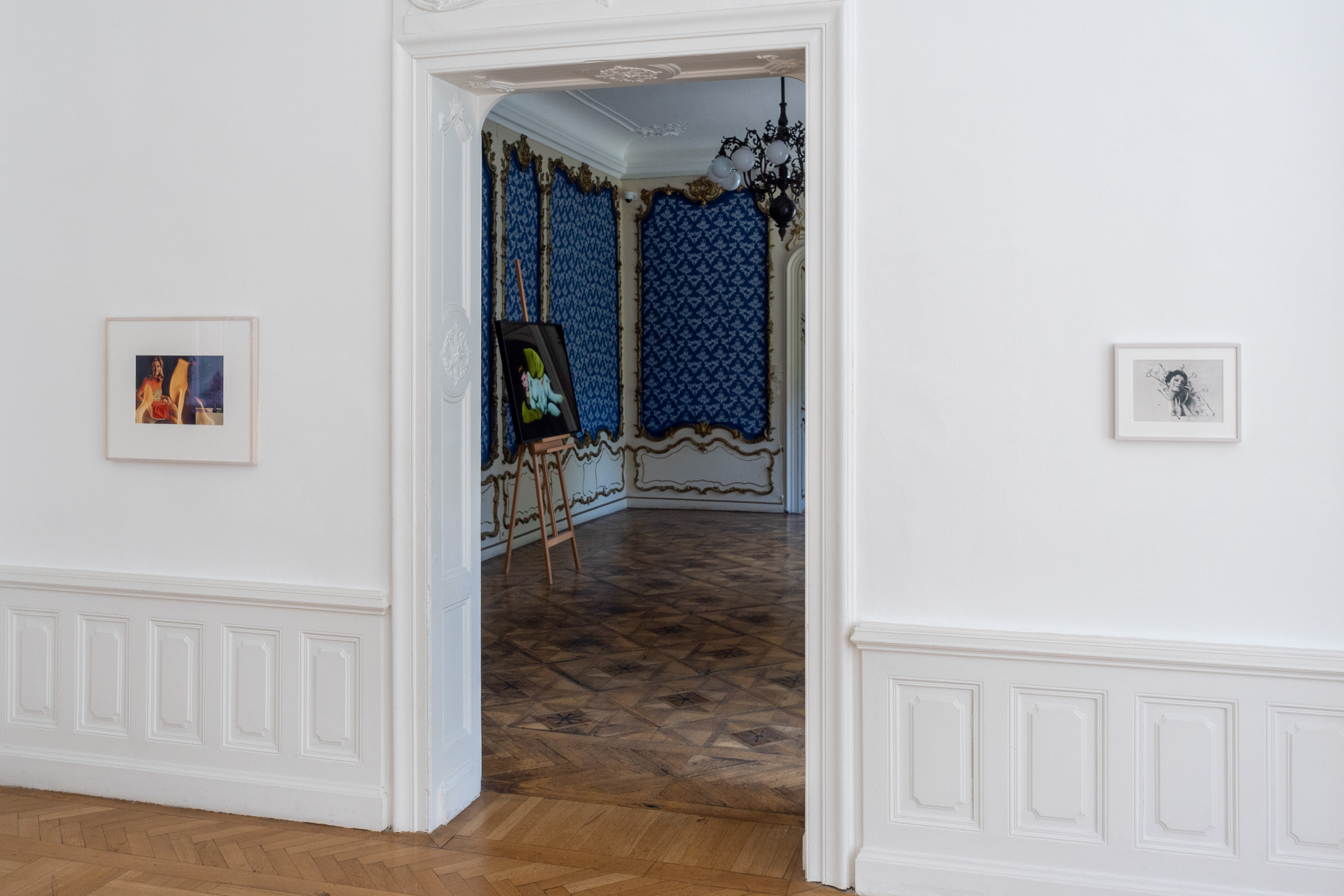
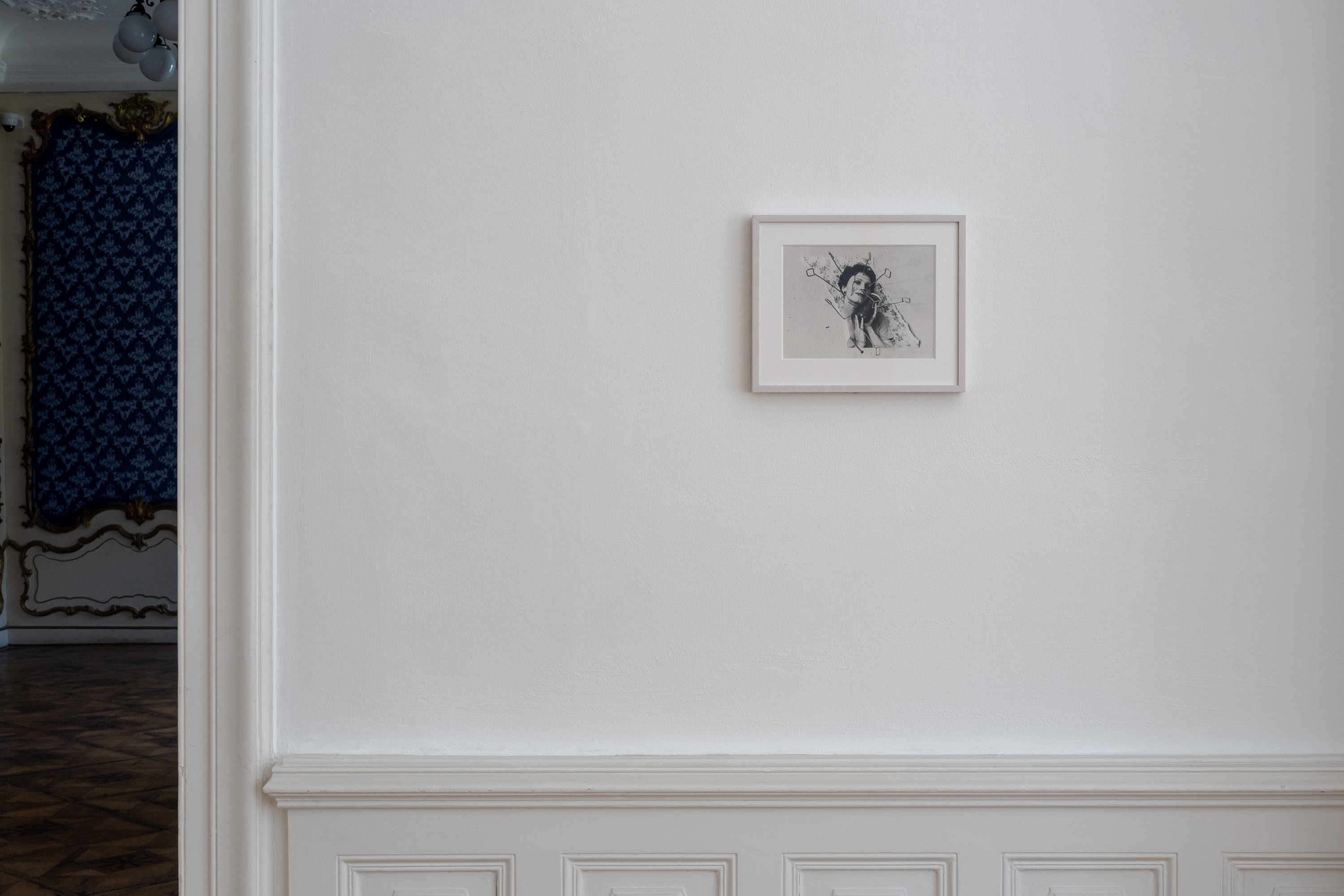
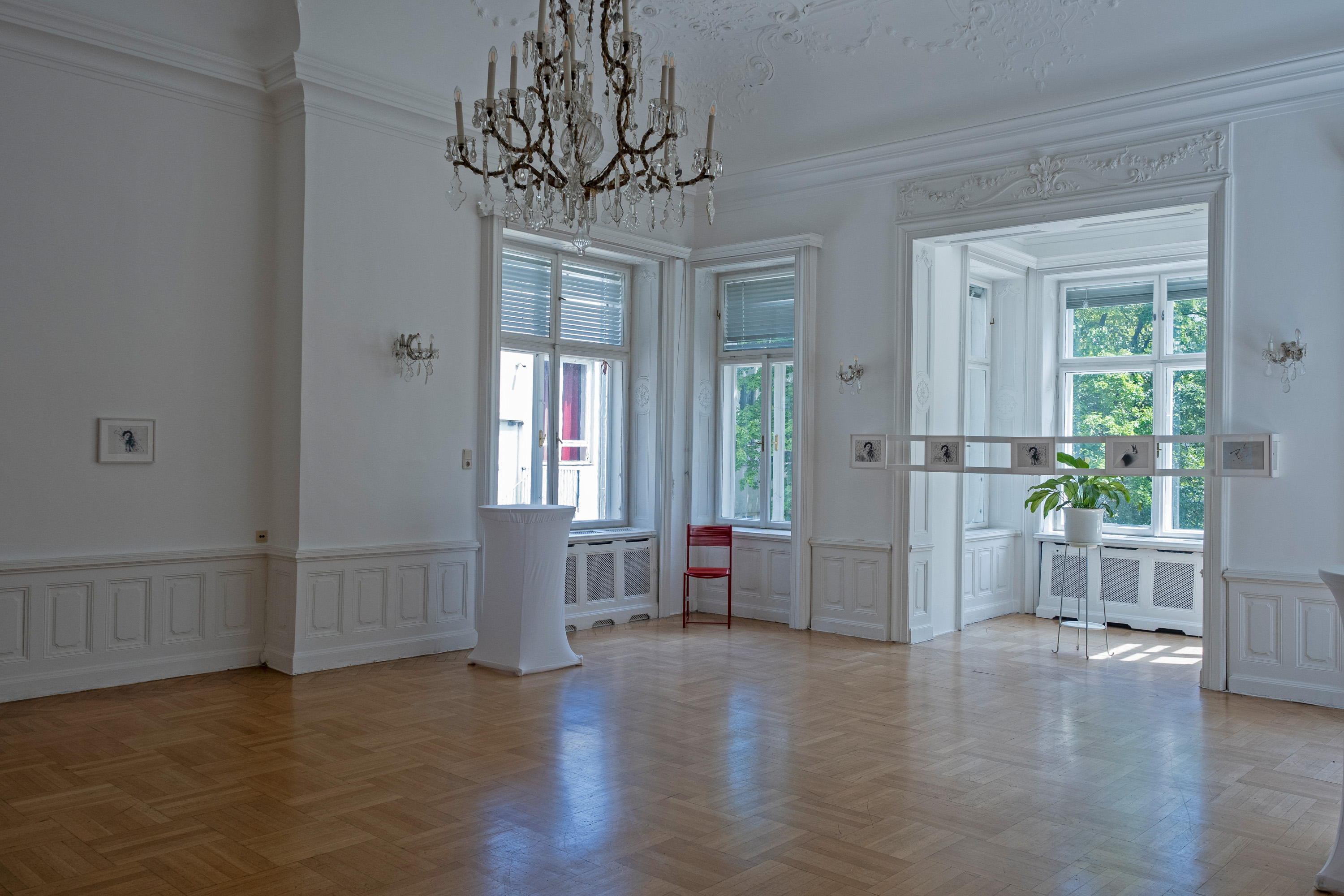
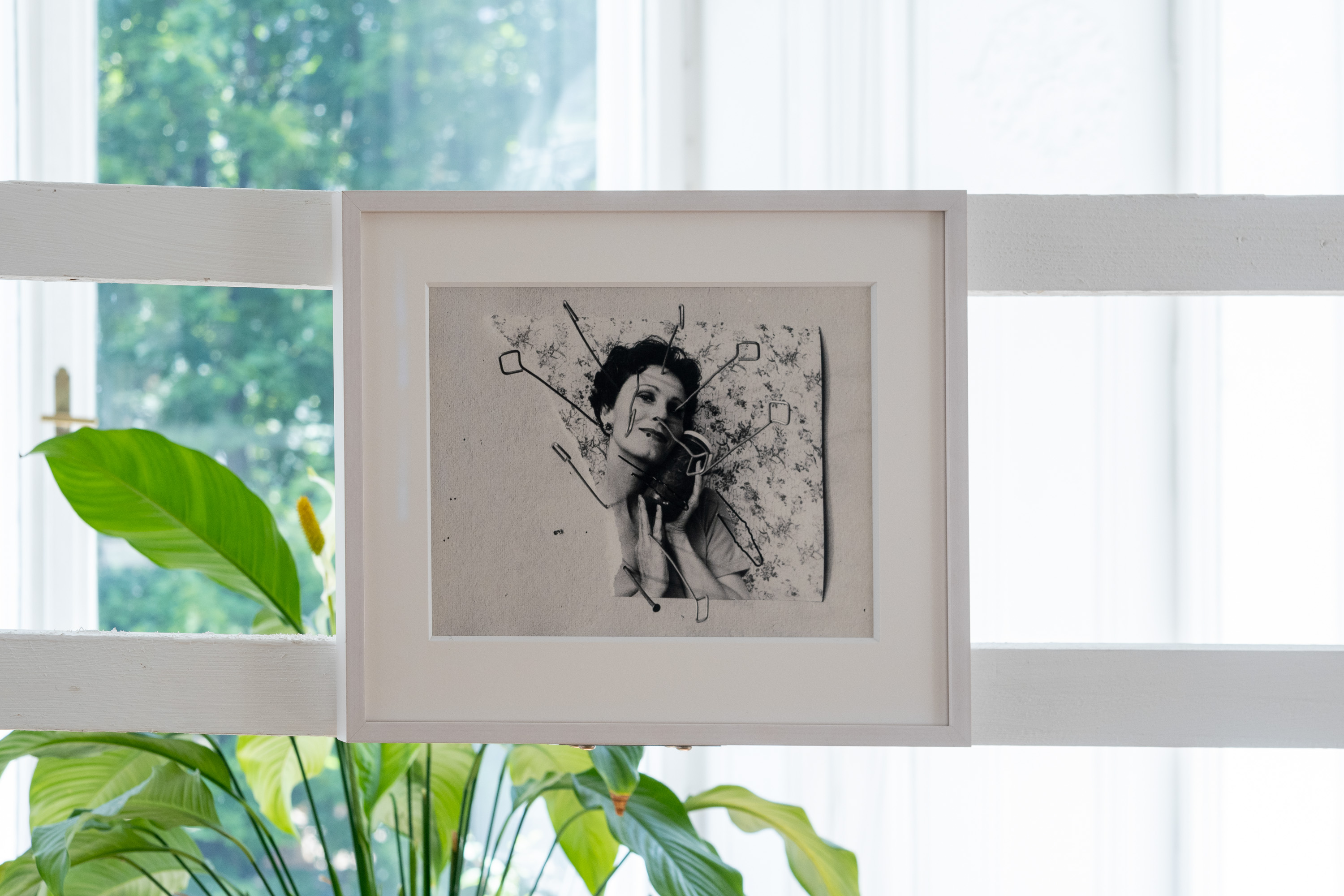
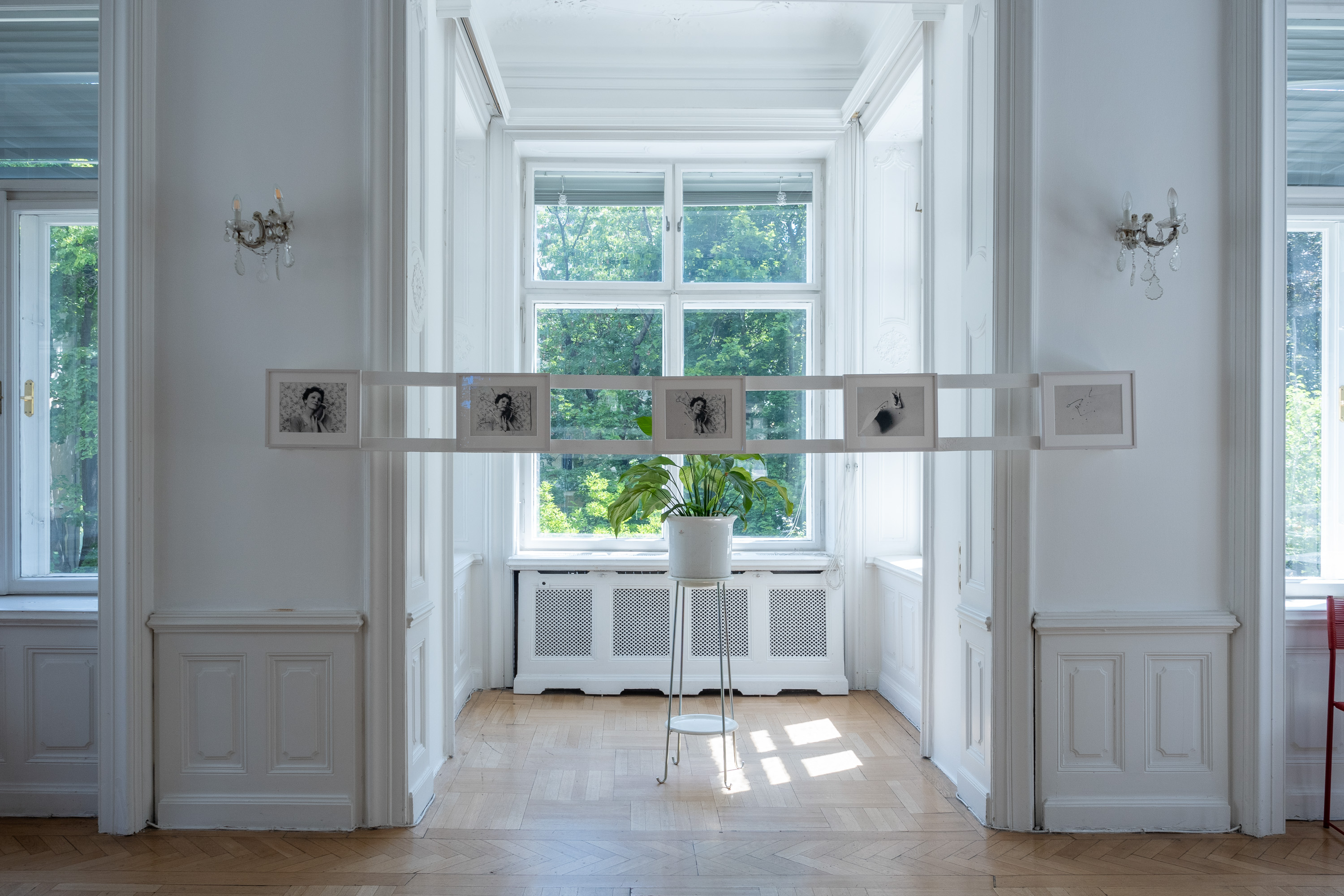
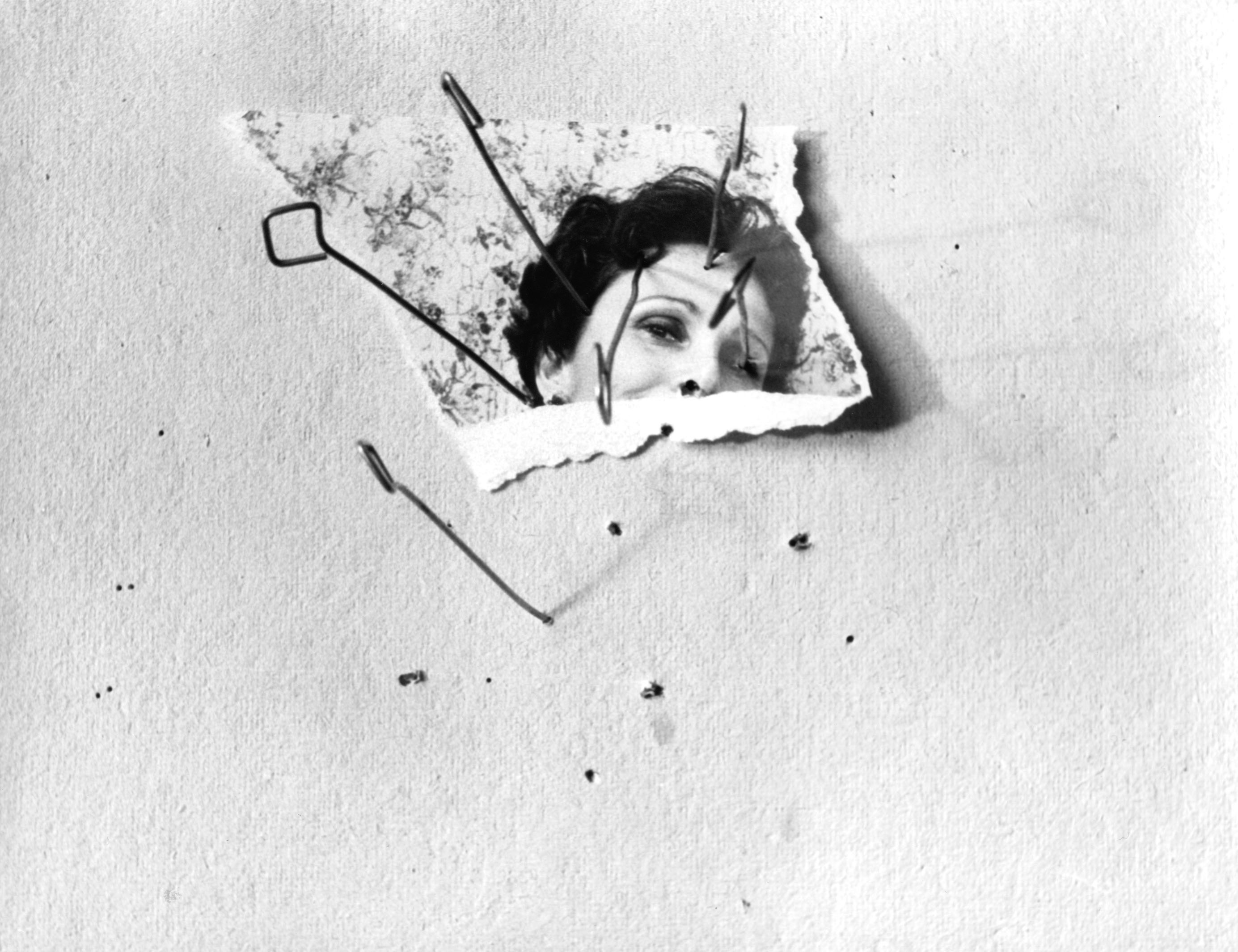
Karin Mack´s series Zerstörung einer Illusion (Destruction of an Illusion) reflects on her own experiences through montages and collages. By tearing apart idealized images of women, Mack exposes their objectification and creates space for new images to emerge.
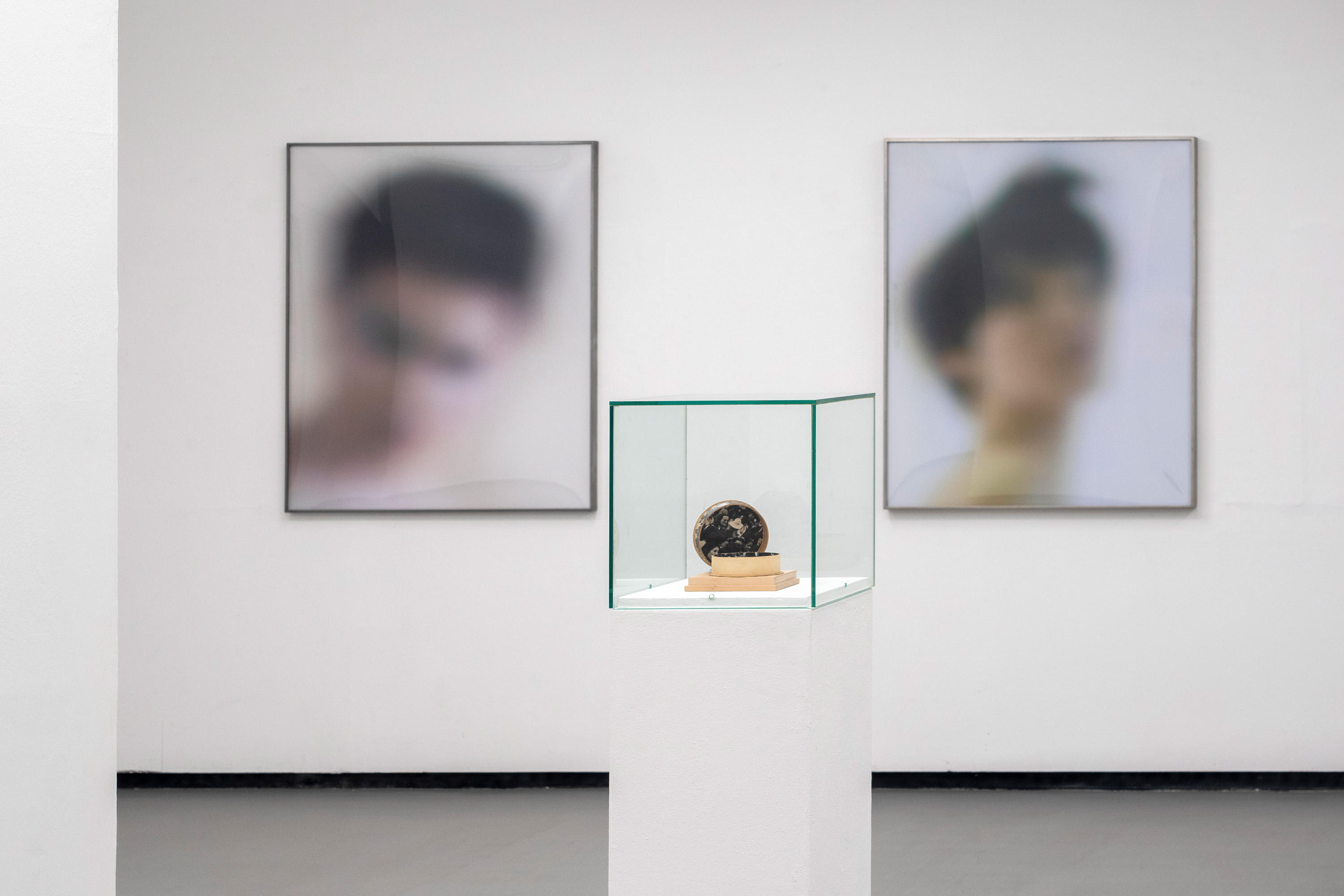
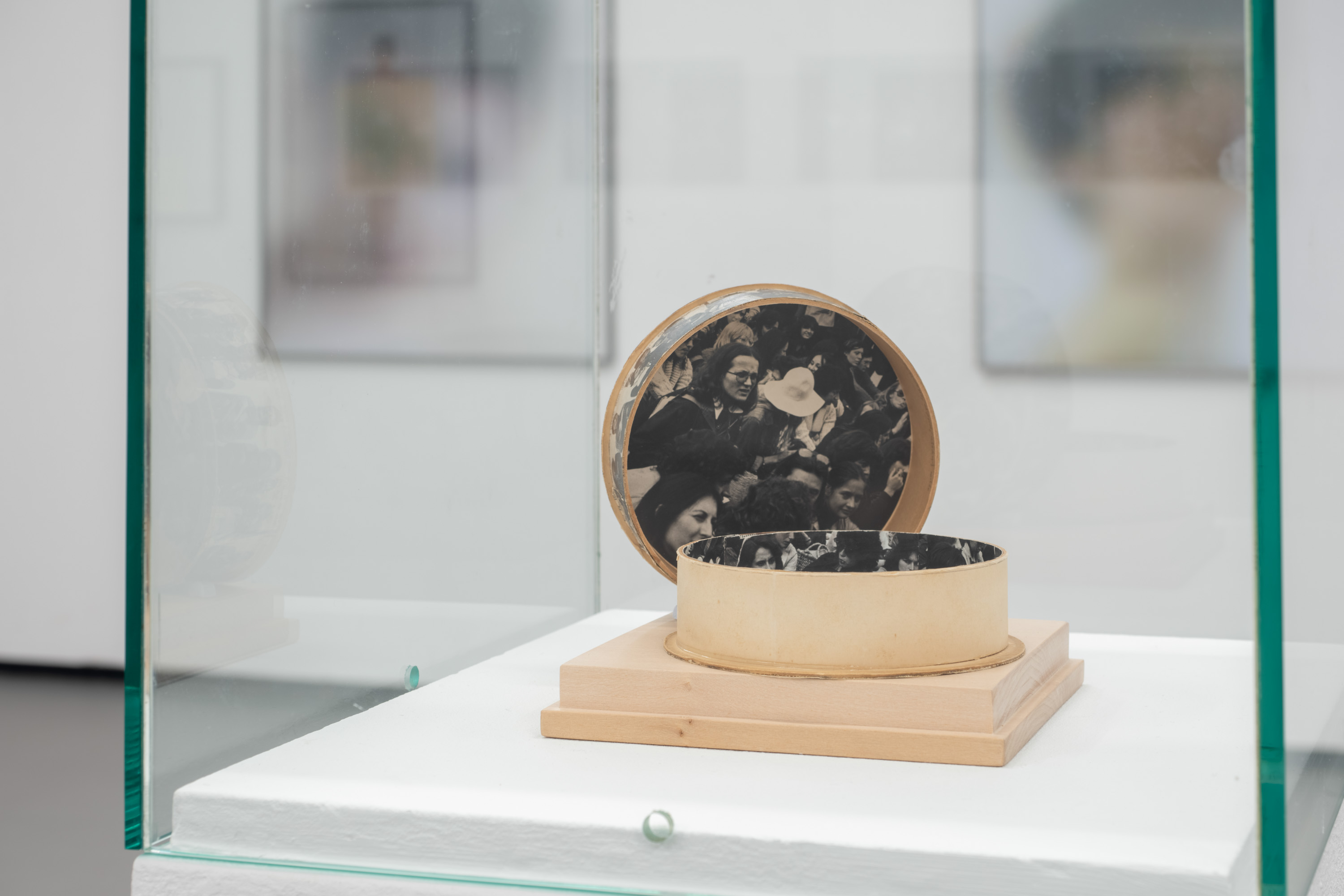
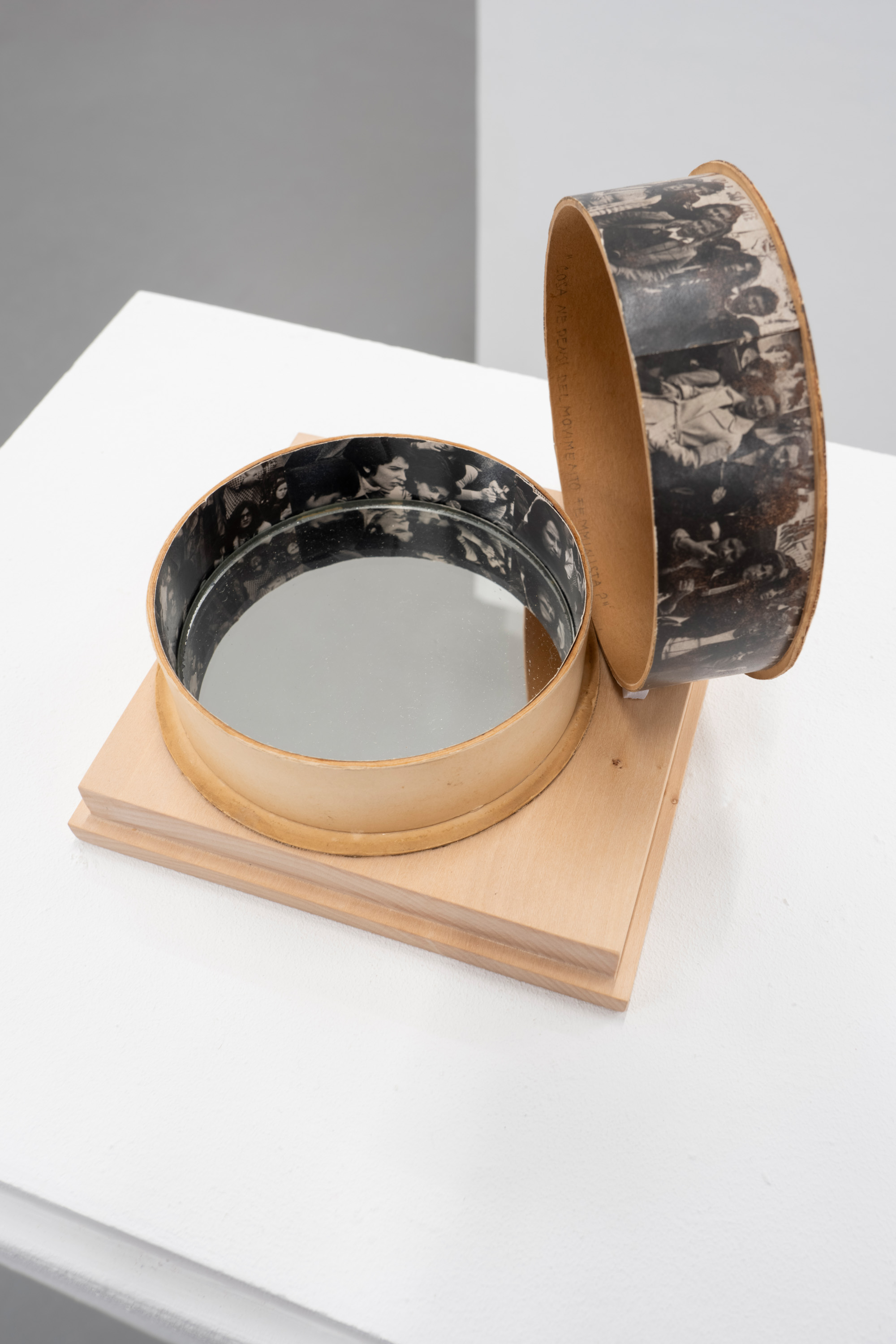
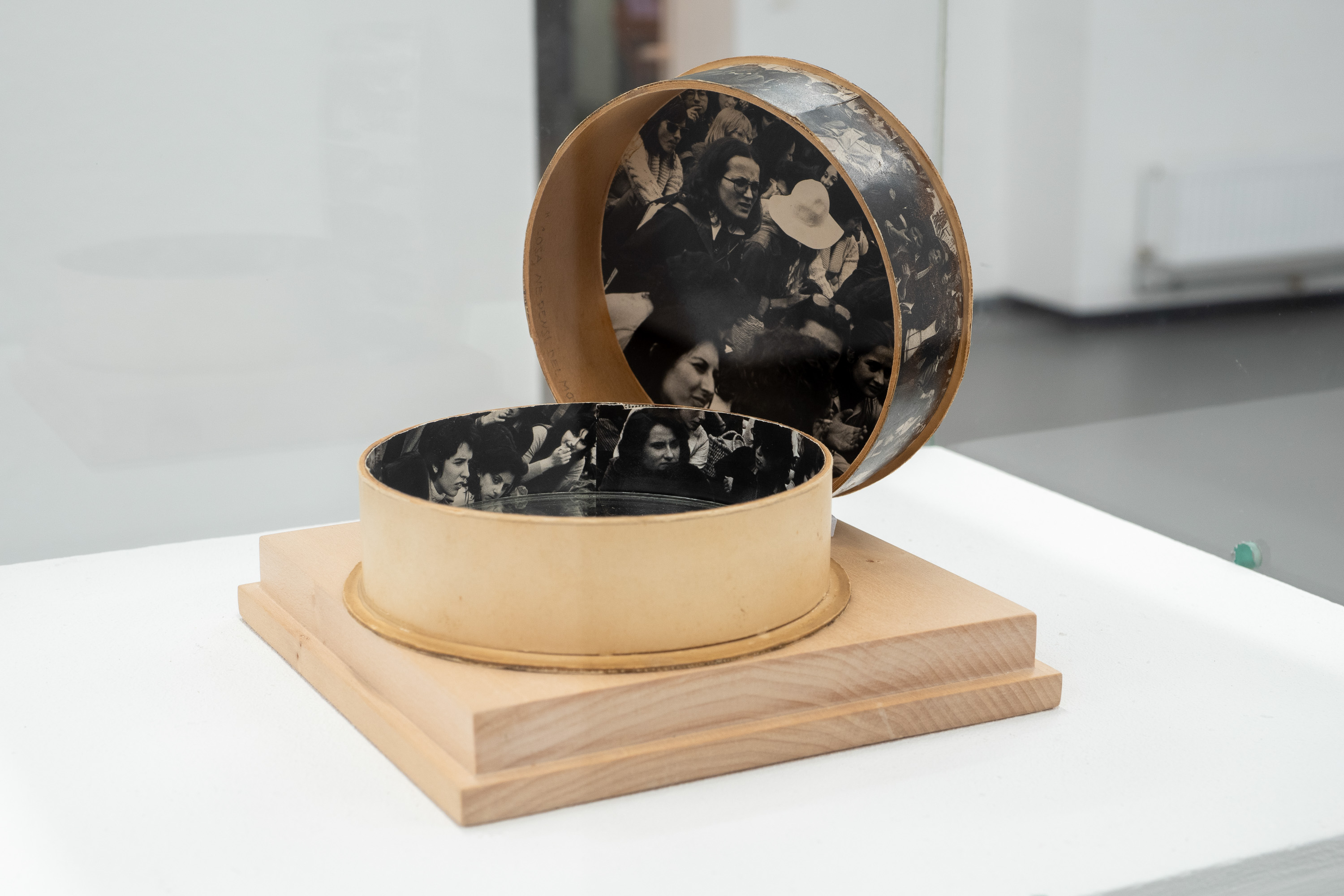
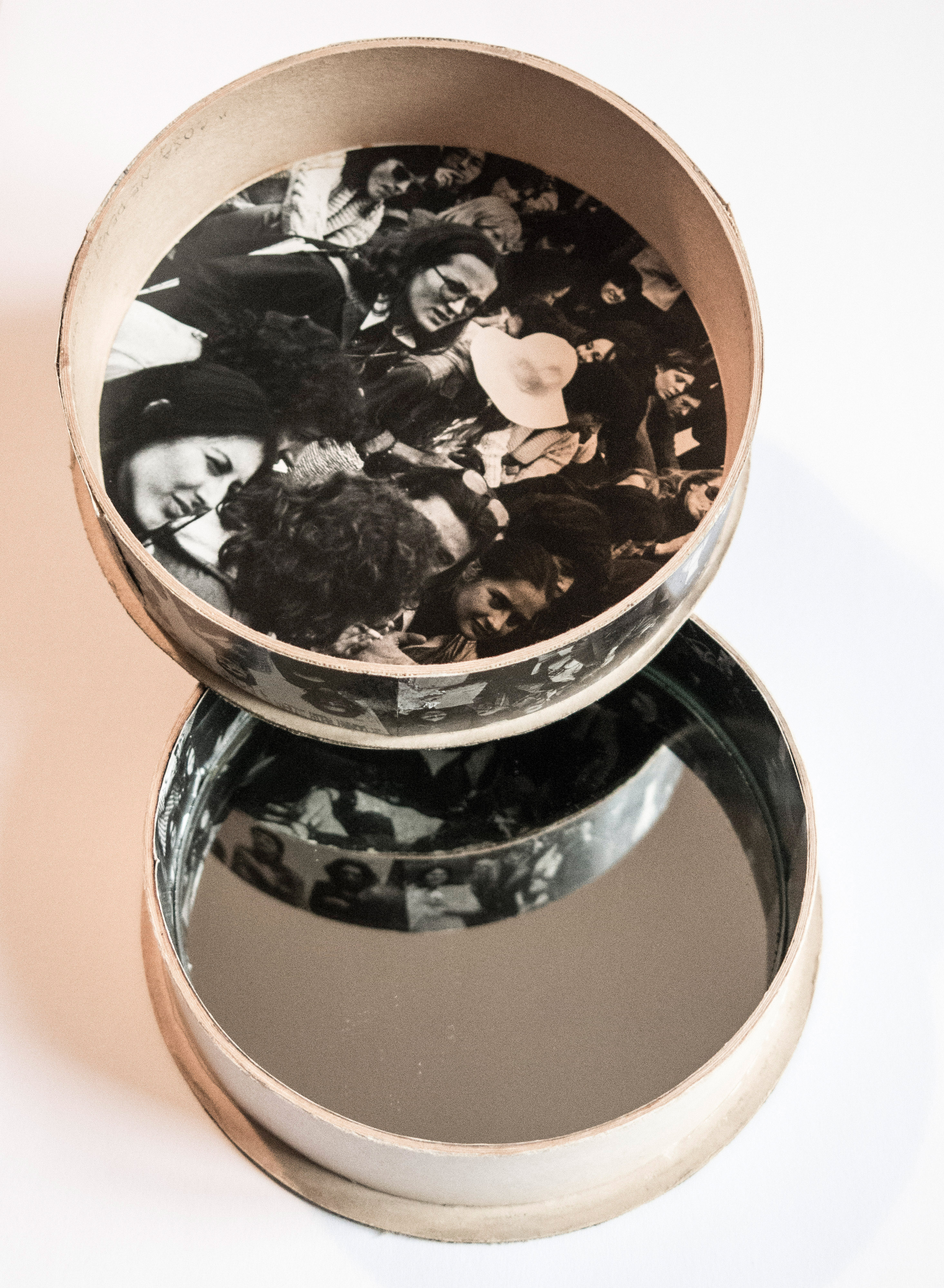
Paola Mattioli´s Cosa ne pensi del femminismo features a powder case whose interior is decorated with images from a feminist demonstration held in Milan in 1974 and which contains a mirror at its base. By placing the viewer’s own reflected gaze among the gazes of the demonstrating women, it poses the question: What do you think about feminism?
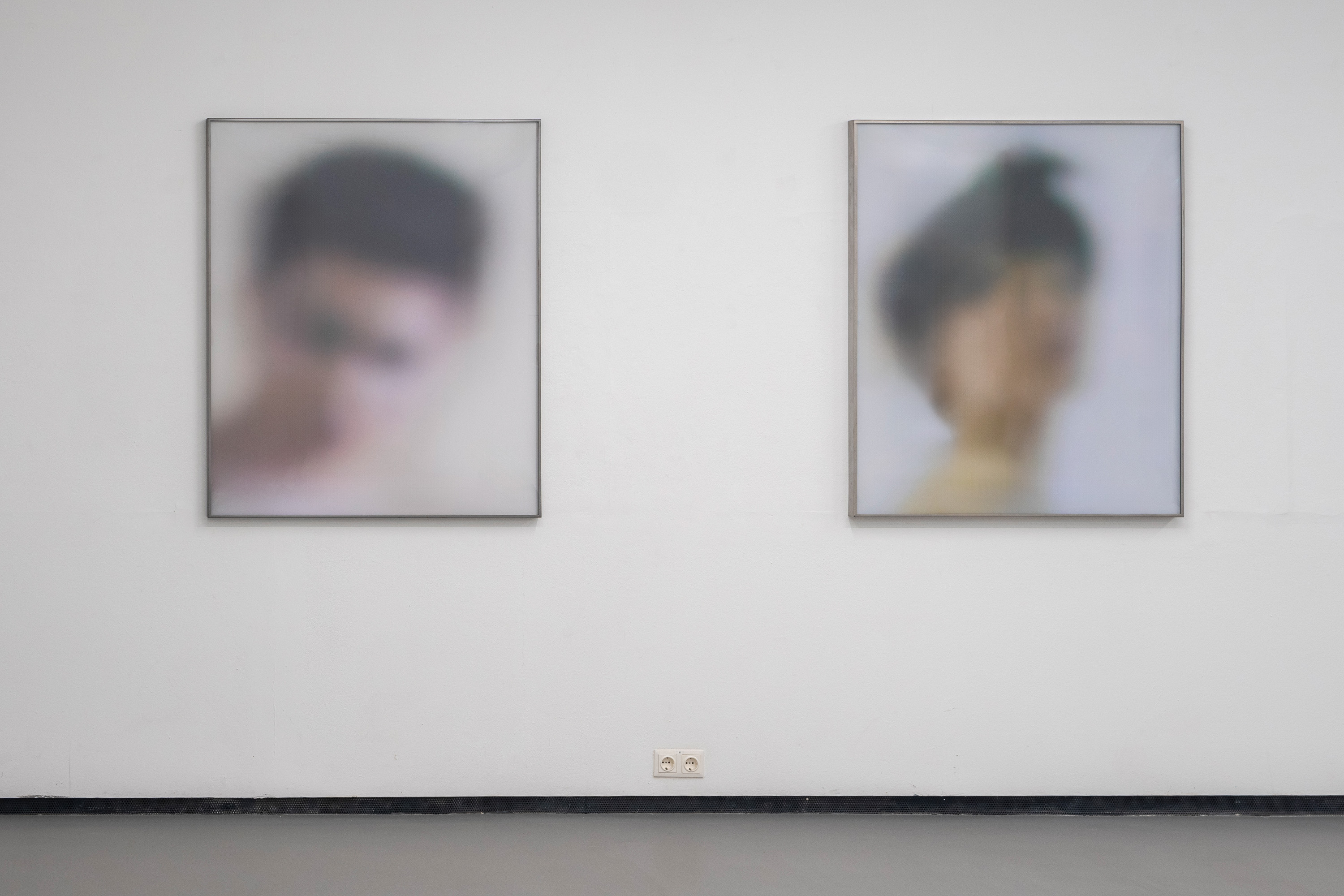
Eva Schlegel presents images of women as blurred photographs. She deliberately employs blurriness as an artistic device: the women´s faces appear dissolved and indistinct, without recognizable features, markers of identity, or emotion, thereby resisting any form of objectification.
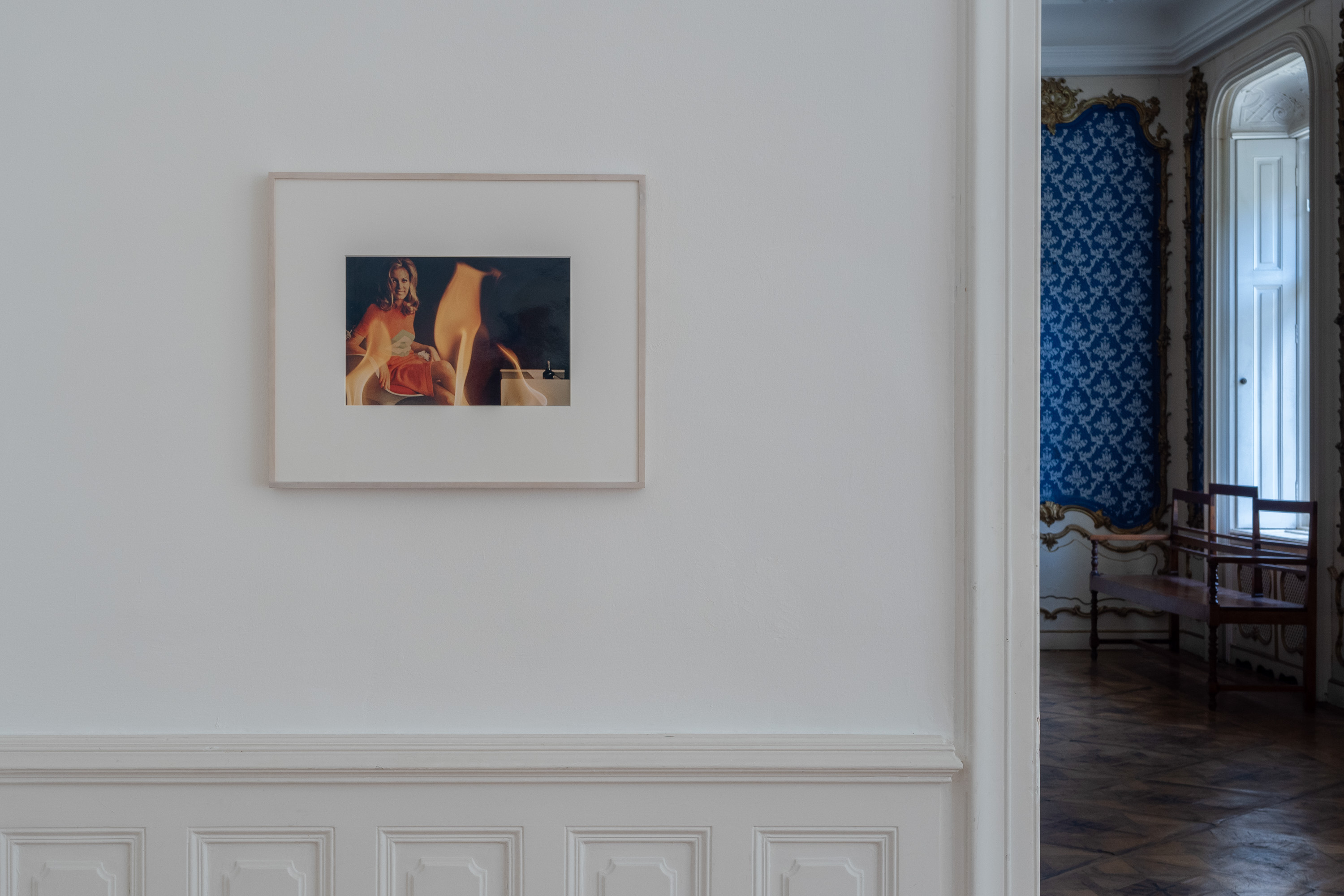
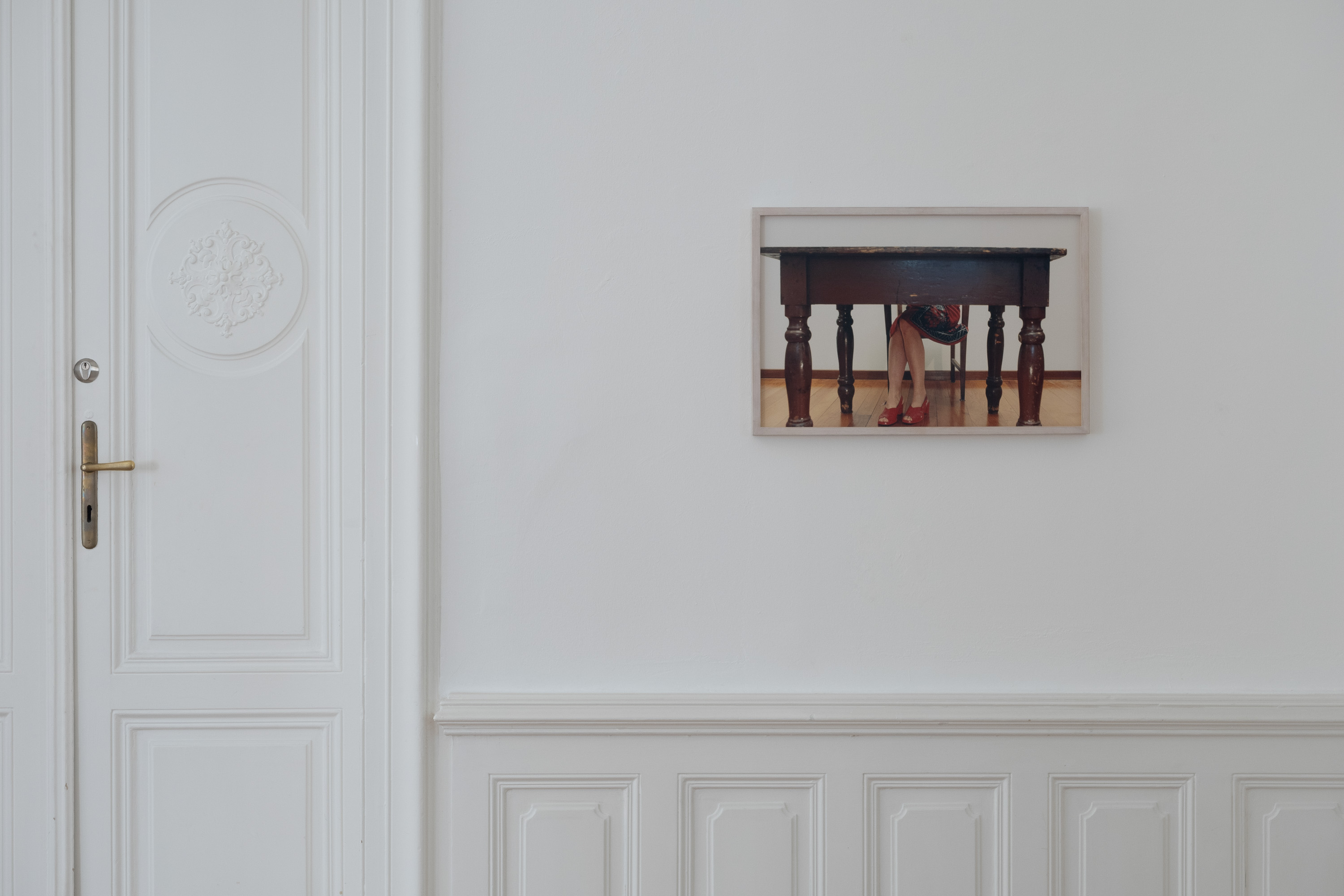
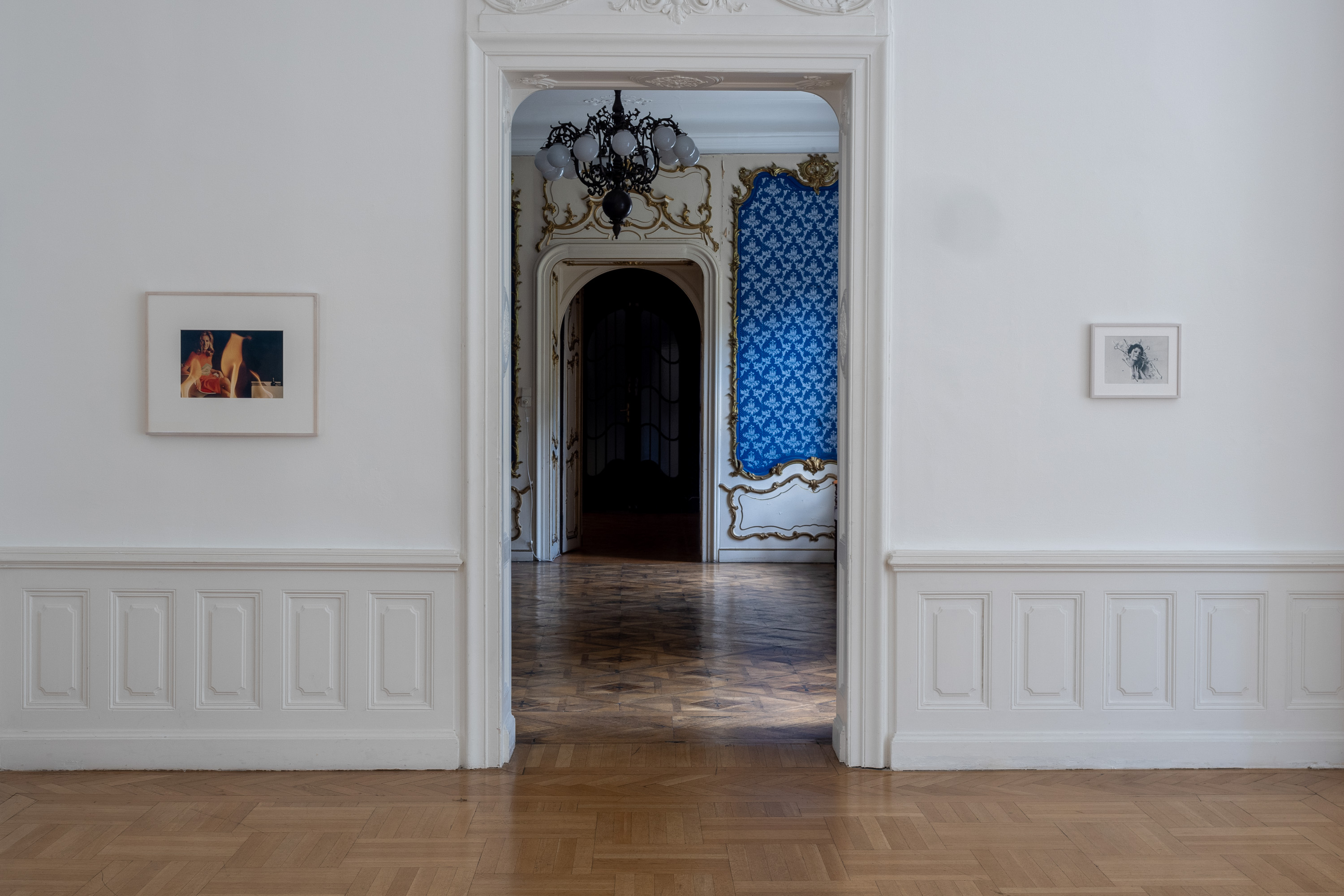
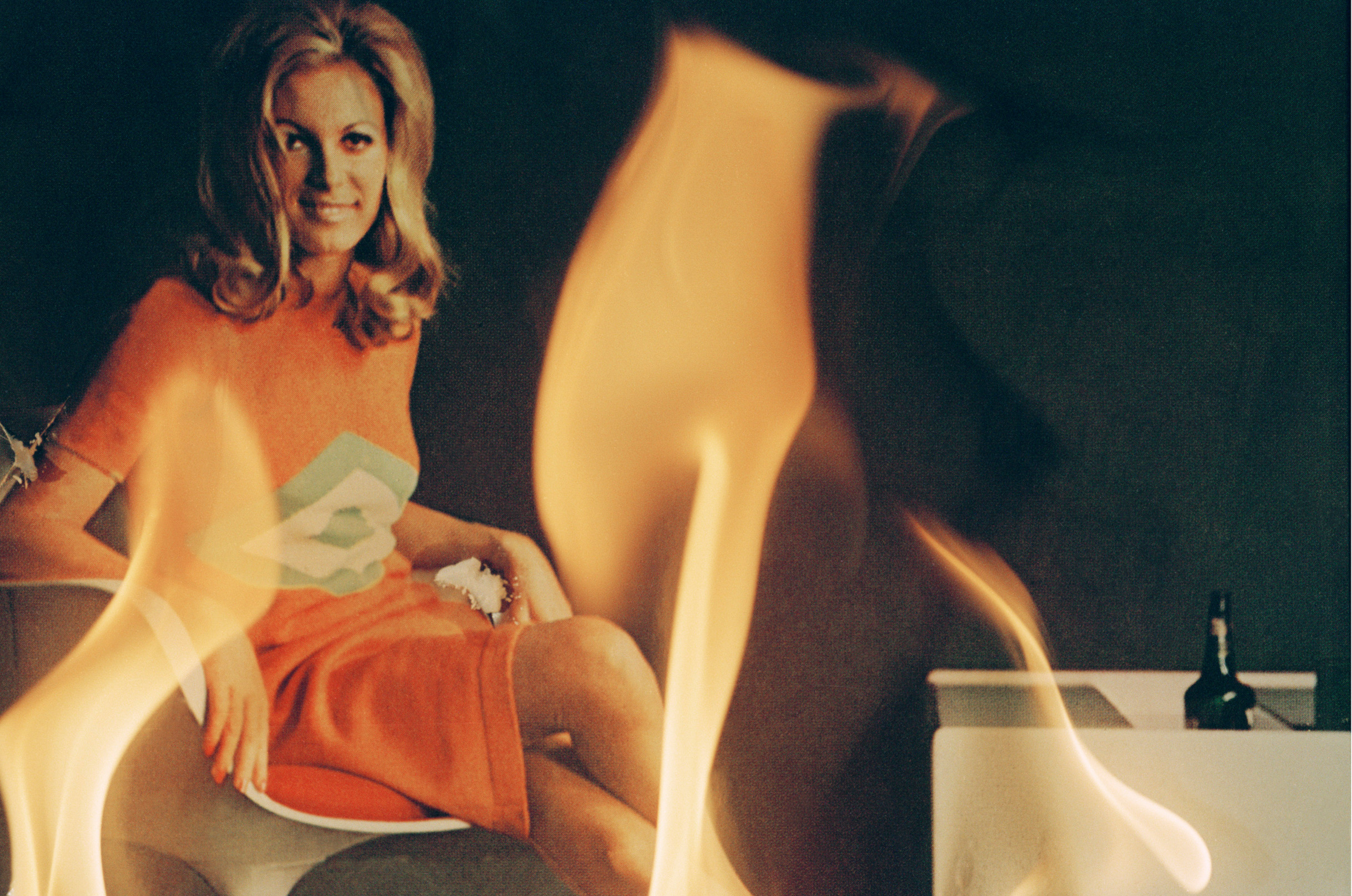
In Tornando a casa, Alessandra Spranzi draws on magazine images from the 1960s depicting idealized bourgeois interiors. By inserting flames into these scenes, the calm atmosphere is disrupted, and the domestic space is transformed into a site of tension and unease. In Cose che accadono, Spranzi lends everyday objects a surreal aspect, by revealing, for instance, a pair of legs emerging from beneath a table she inherited from her grandmother.
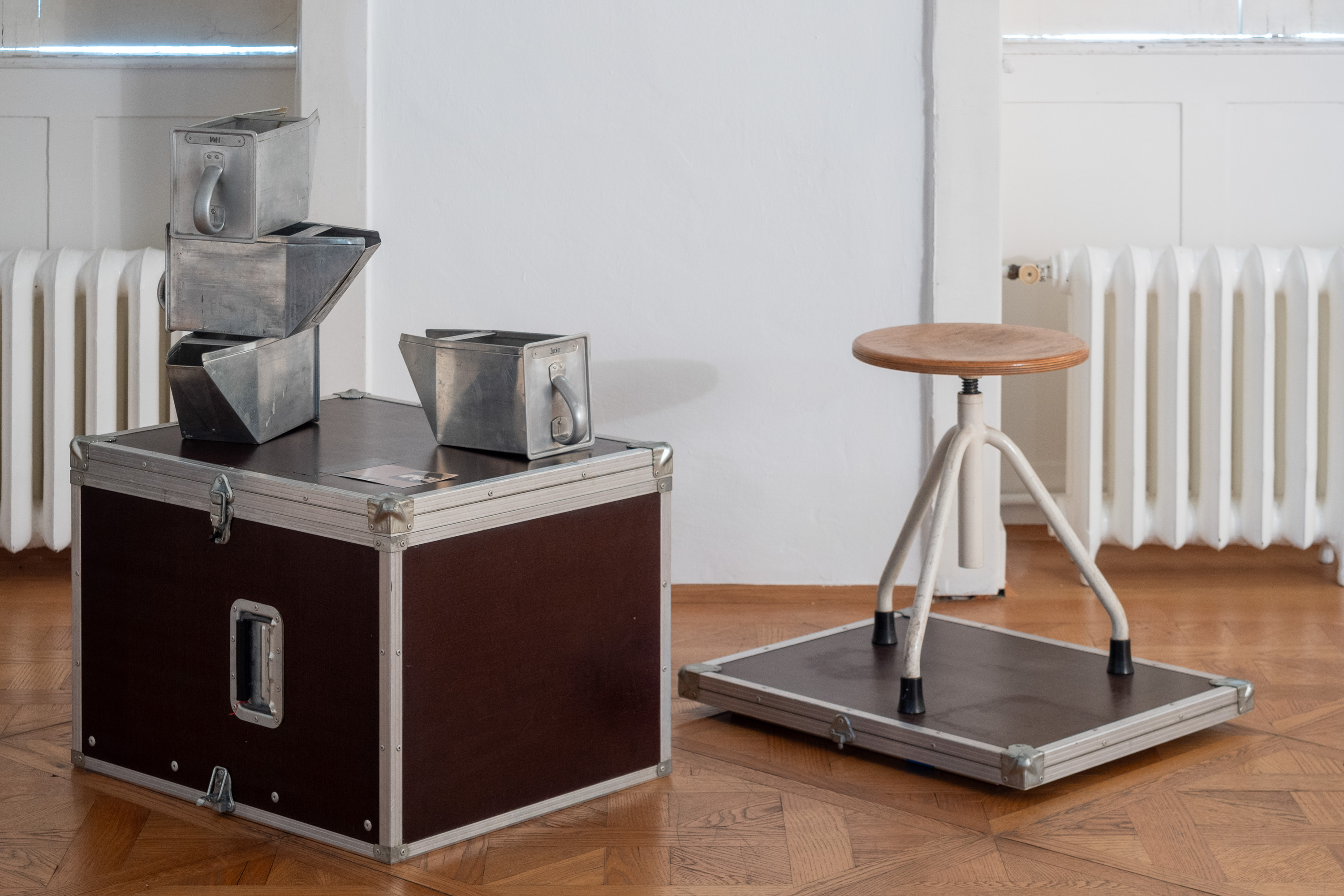
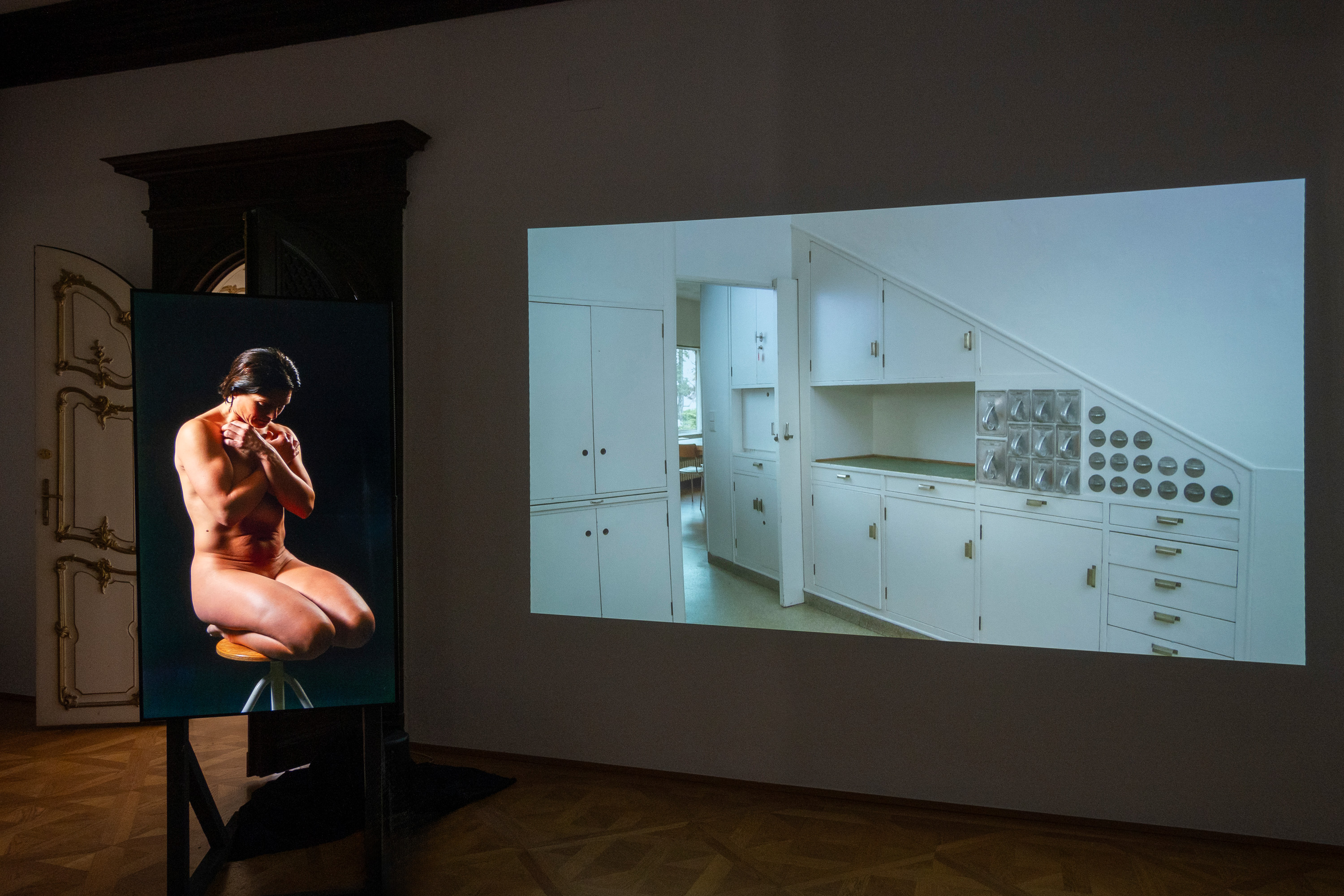
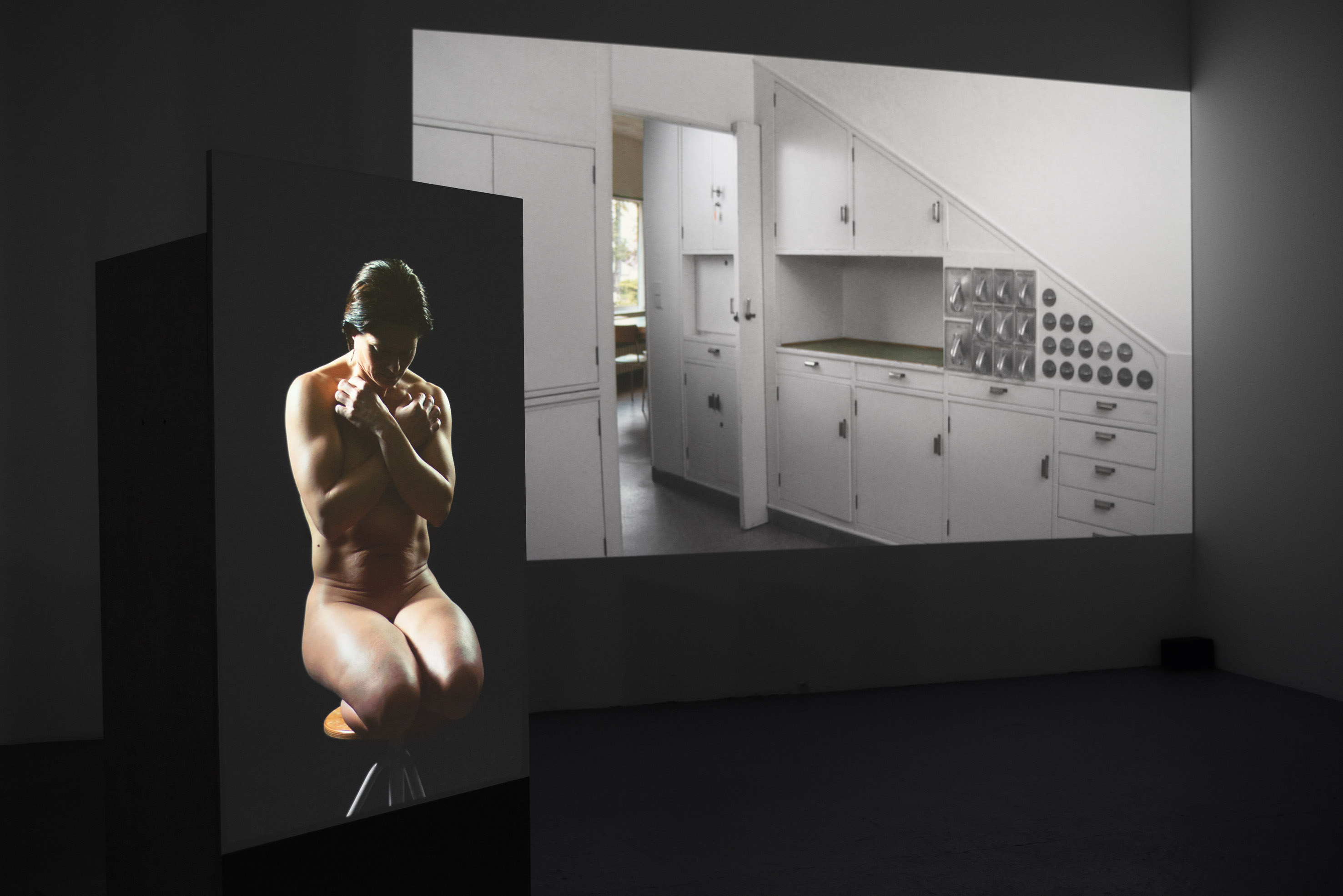
Moira Zoitl´s two-channel video installation Kitchen Torso references Margarete Schütte-Lithotzky´s Frankfurt Kitchen alongside the Belvedere Torso in Rome, linking domestic work, functionally shaped bodies, and traditional gender roles.