

Opening
Monday, 30 November 2026, 7 p.m.
Opening speech
Johan Nane Simonsen
FOTOGALERIE WIEN will be closed starting 22 December 2026.
We are open again at 12 January 2027.
We wish everyone a happy New Year!
The image support is the site of the image. Where it is preserved, conveyed, and made visible. The term suggests that every image requires a material foundation; it does not exist in isolation but is always bound to a physical object or support medium. The exhibition Bildträger:in (Image Support) expands on this understanding and calls it into question. The gender-inclusive form of this technical term in the German title opens up new perspectives on how this concept can be approached and understood. The exhibited works engage with questions concerning technology and media, yet they go further: image supports are not simply materials or technical constructions. Human beings can also be image supports—they hold images within themselves, preserve them, project them, and pass them on. These images exist both individually and subjectively as well as collectively and systemically. Similar to people, they are woven into a complex web of historical, cultural, and ecological contexts.
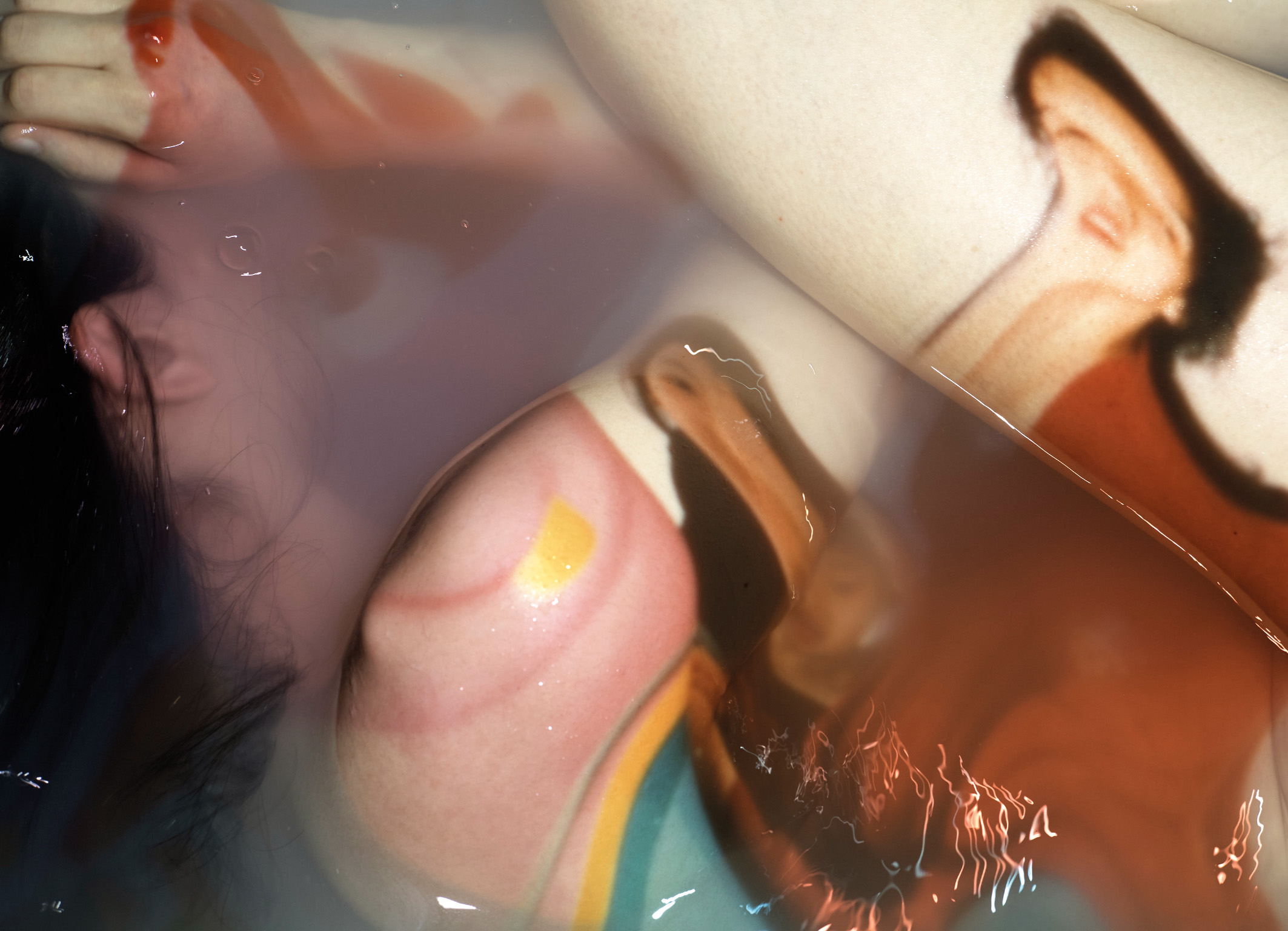
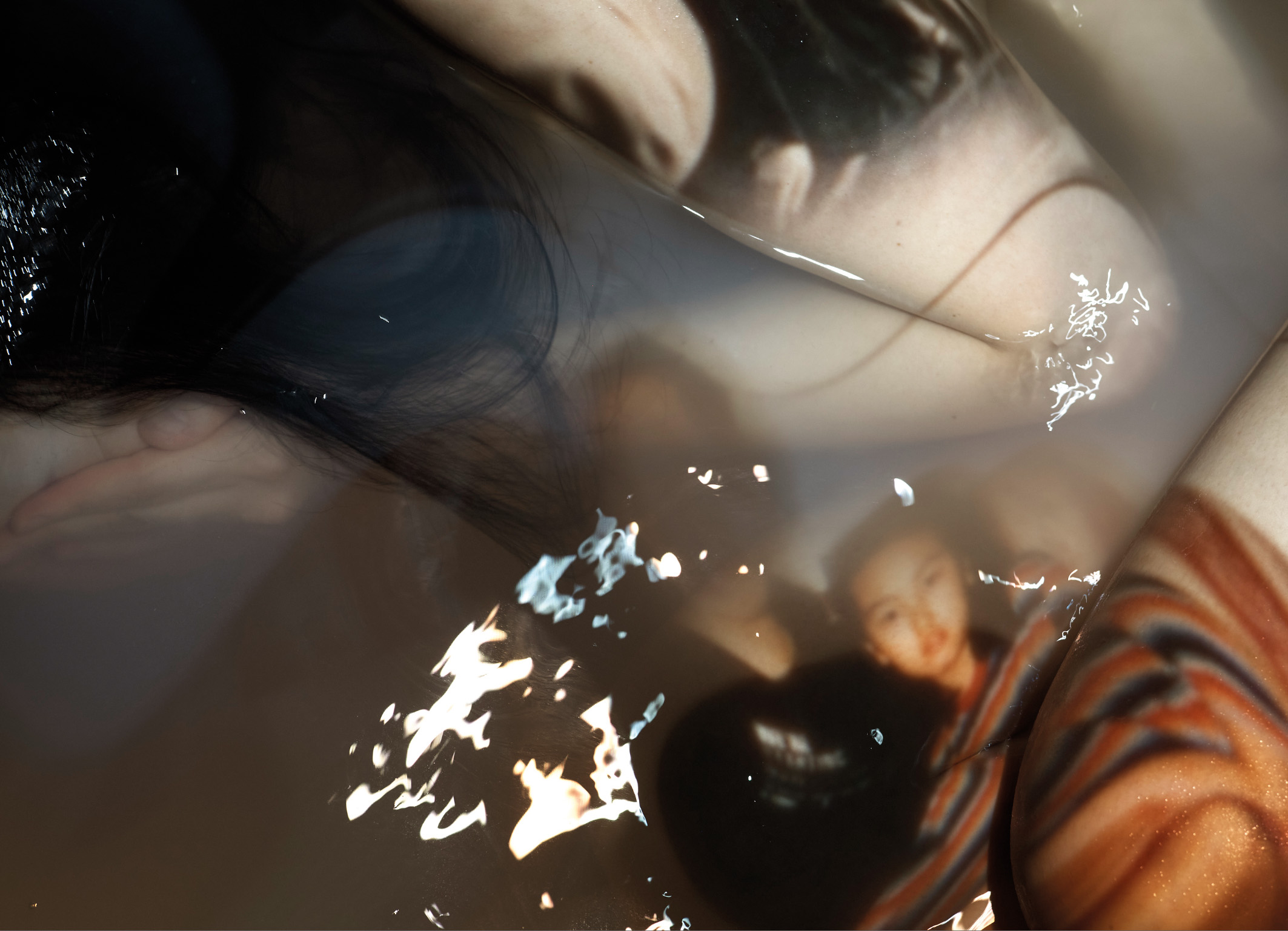
Echoes Woven by Yela An traces psychotic breakdowns and depression across three generations of women in the artist’s family. Yela An questions whether these patterns can be attributed to genetic inheritance or to the external pressures of a patriarchal, capitalist society. Drawing on family photo archives and reenactments, she frames depression not as a purely private burden, but in relation to structural conditions and the socio-political status of women in South Korea. Each generation is considered within its specific historical context. Yela An’s own experience as an Asian woman living in Western Europe adds another layer: from her specific position of cultural uprooting, certain patterns passed down through generations are made visible.
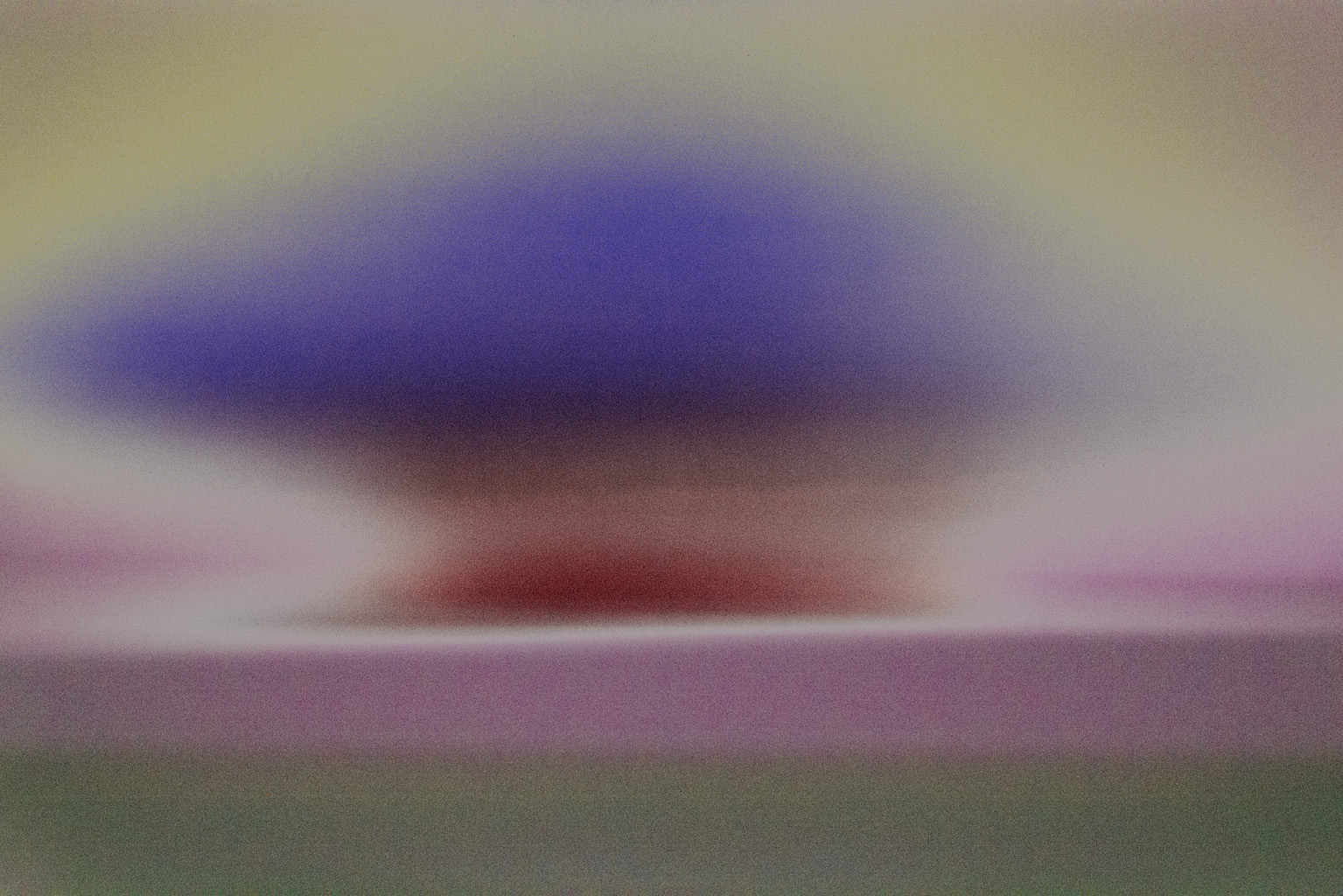
Hubert Kaufmann’s series Entfaltung (Unfolding) explores the fundamentals of digital photography. His images are created without the use of a lens, projection, or light. Rather than depicting a specific external subject, they reveal visual structures generated directly within the camera sensor itself. Digital noise, image artifacts, and other technical processes that normally remain invisible or are considered errors become the actual content of the image. These works make visible what underlies every digital image: electronic processes, statistical fluctuations, and the sensor’s own logic. This gives rise to color fields, layering, and subtle transitions that shape the image surface. Kaufmann draws attention to the typically hidden conditions of digital image production, making the digital underpinnings of photographic visibility directly apparent.
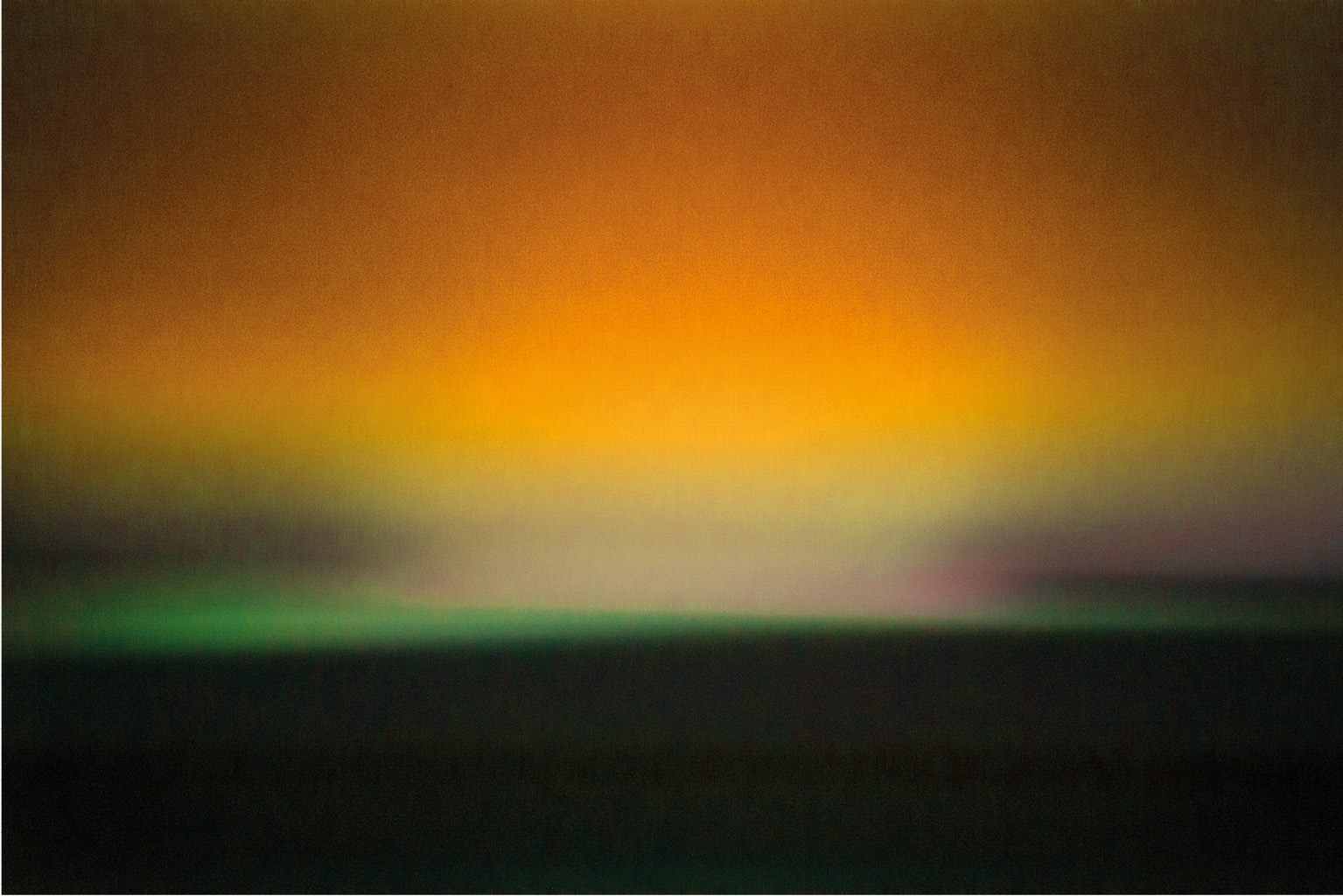
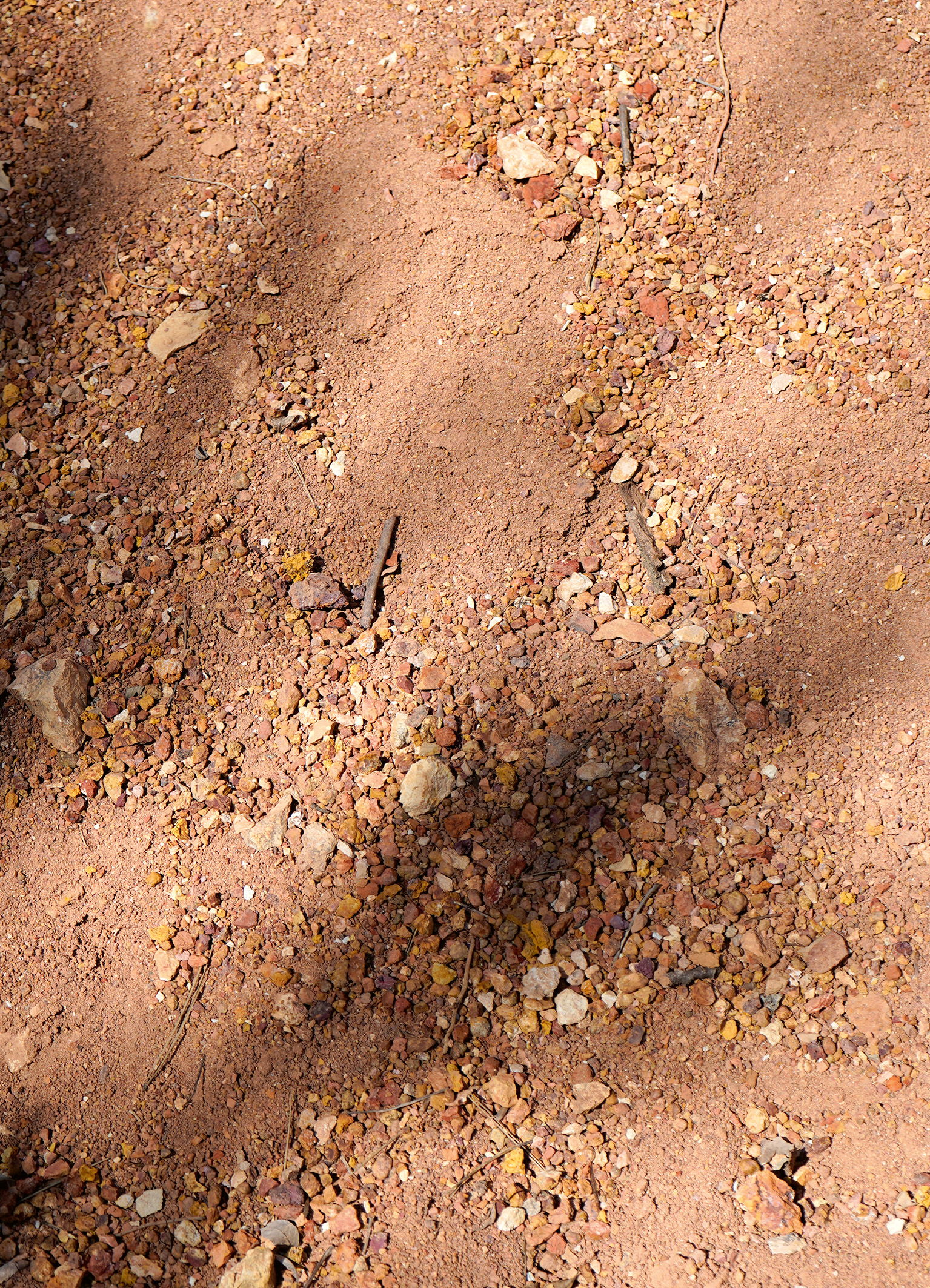
Jakob Rockenschaub’s work takes the red sludge disaster in Kolontár, Hungary, as its starting point. In October 2010, a containment reservoir at an aluminum plant failed, flooding several villages with vast quantities of toxic red sludge. The consequences for both people and the environment were devastating. Drawing on his work with aluminum, Rockenschaub is interested in the hidden ecological and social repercussions of the raw-materials industry. For this project, he conducted on-site research in Hungary, visiting former bauxite mines and collecting materials from the area affected by the disaster. In his installation, he presents long-exposure images of television reports from 2010. Logos and graphic elements remain discernible while landscapes and events dissolve into abstract structures. This deliberate omission places questions of memory, media representation, and responsibility at the center of the work.
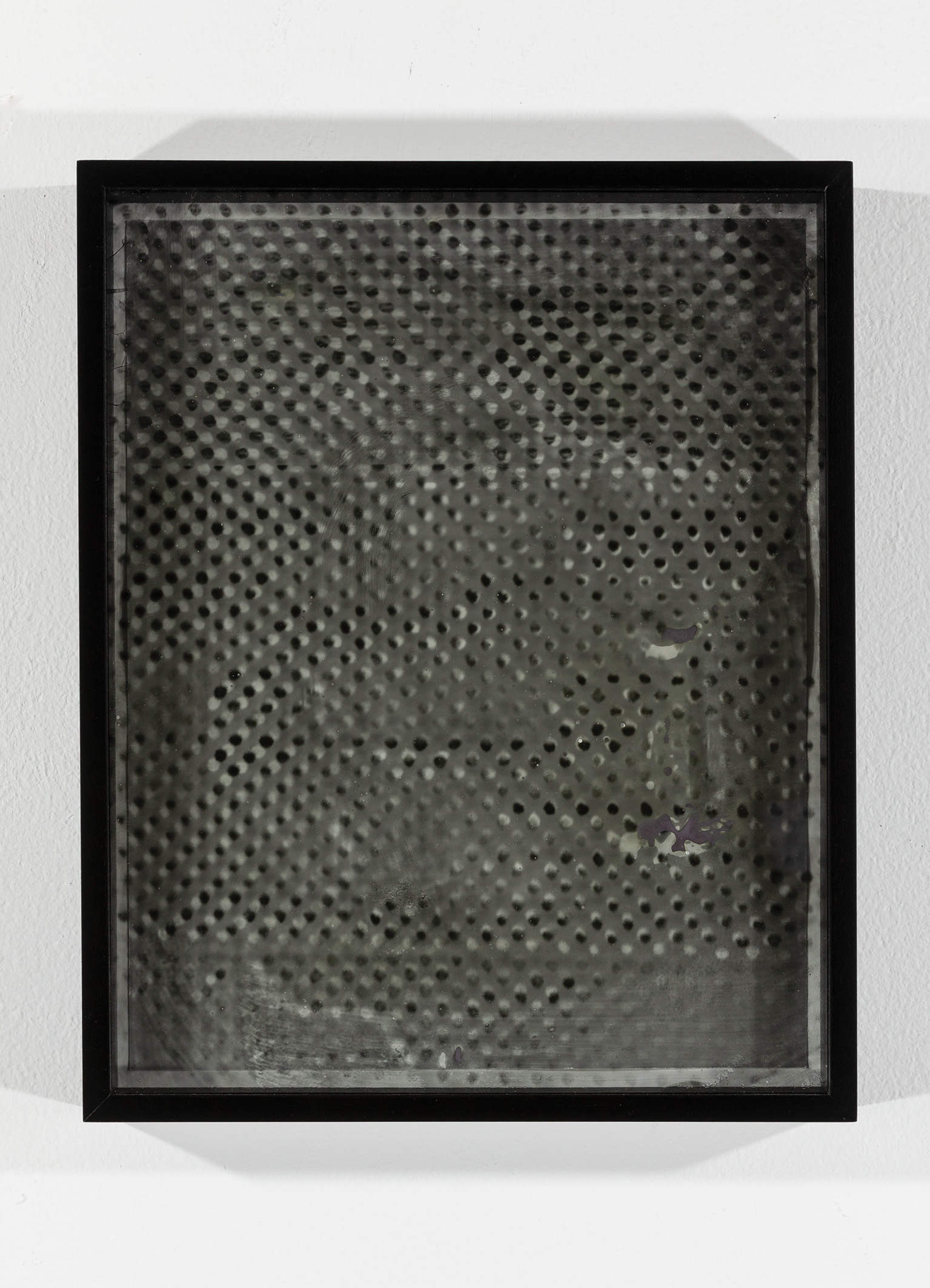
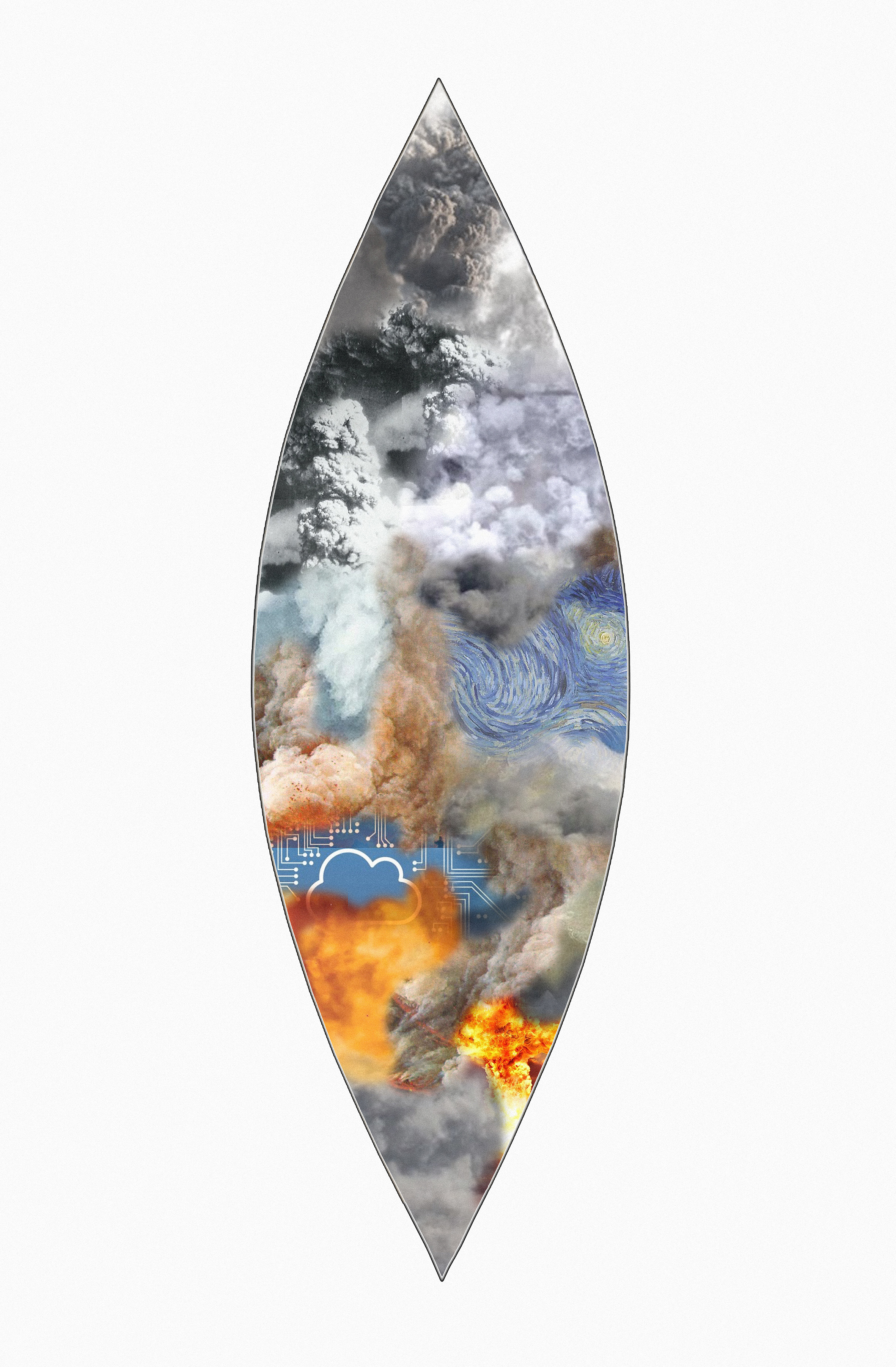
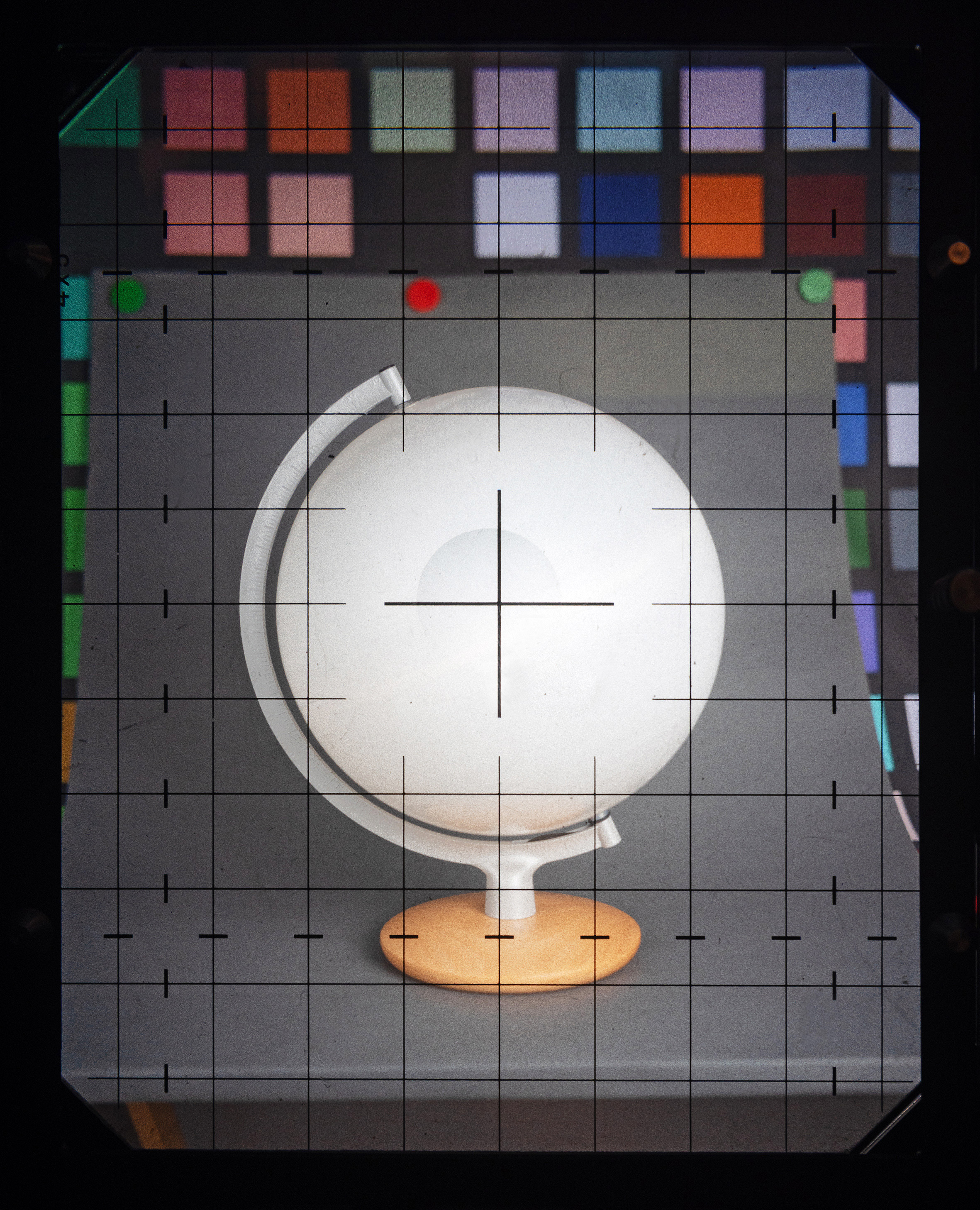
The starting point for Lisa Rastl’s work, For example: the earth is round is the globe. It conveys geographical knowledge, yet its representation of the world is shaped by cultural perceptions. For her series, Rastl photographed a white globe from multiple viewpoints, translating its three-dimensional form into two-dimensional images. In addition, the camera’s focusing screen and grid structure remain visible, forming a correspondence with the globe’s meridian lines. In Clouds, Rastl uses segments of a globe as an image support for photographs of clouds. The images depict both natural and human-generated clouds, including plumes of smoke from forest fires, industrial facilities, or military conflicts. The photographs are transferred onto the globe segments using analog techniques in a darkroom. In doing so, the artist brings together geographical representation, photographic image, and material surface.
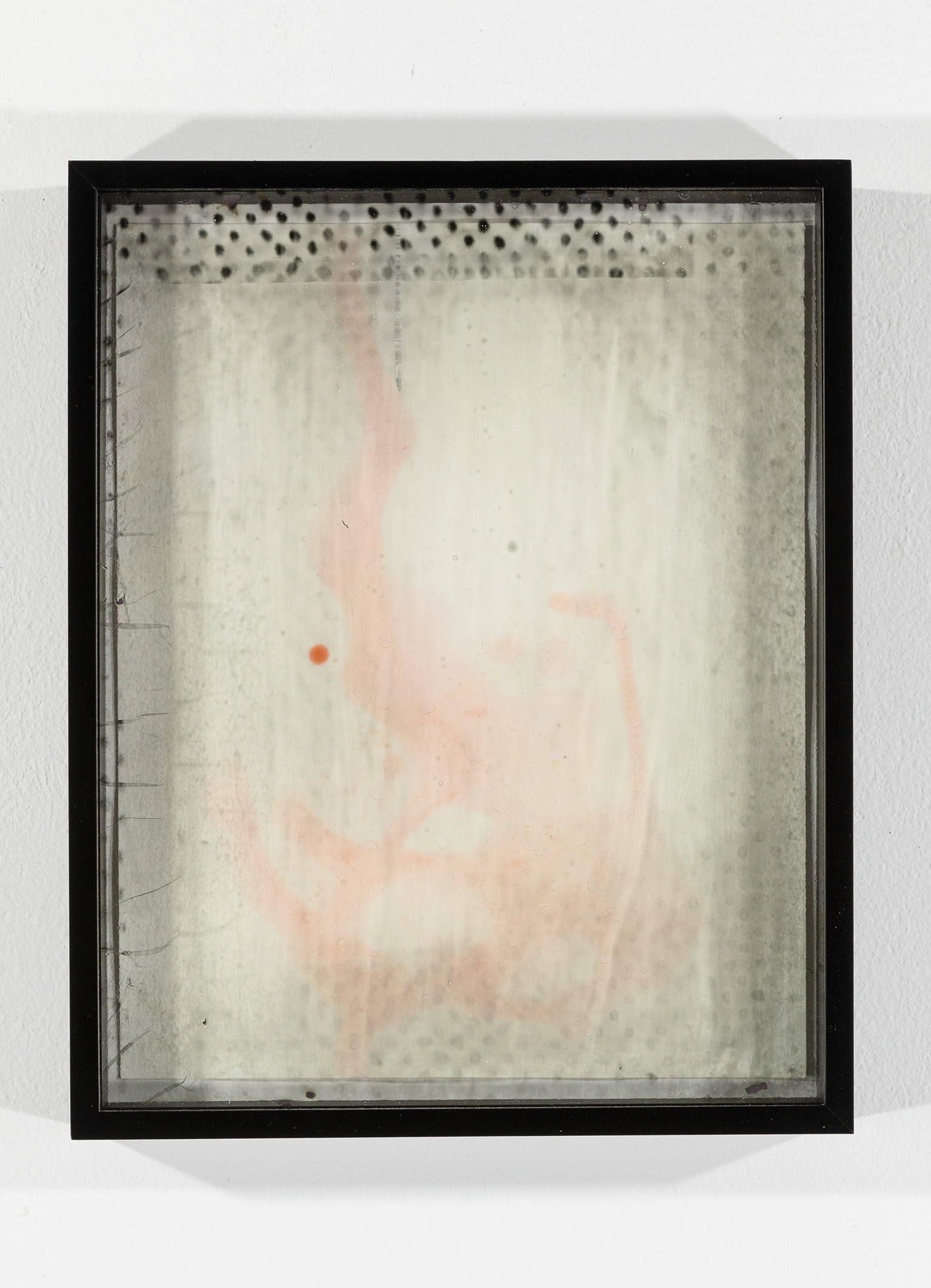
Daniela Zeilinger develops her series Polkadots from the simple dot. The artist explores its role and function as a fundamental visual element. Her work combines analog and digital photography with painting, drawing, and collage. Individual visual elements are reworked and combined through several stages of production, resulting in works that cannot be clearly assigned to a single medium. Photography, drawing, and painterly traces merge to form complex pictorial spaces. The image surface appears permeable, opening up various levels of perception. Zeilinger is less interested in depicting a motif than in the conditions of the image itself. “Using collage and montage techniques that interweave analogue material and digital images, she creates pictures that reveal themselves as complex layers questioning the preconditions of photographic and painted representation“, Niklas Koschel writes about her work.
(Johan Nane Simonsen)