Opening: Monday, 26 January 2026, 7 p.m.
Opening speech: Cathrin Mayer
Finissage & catalogue presentation: Saturday, 7 March, 7 p.m.
Since 2010 the FOTOGALERIE WIEN has put on an annual solo exhibition showcasing the work of a young, upcoming artist. This series of exhibitions, SOLO, functions as a platform and springboard for artists who are at the beginning of their career but who already have an extensive body of work that we want to present to a wider public. The aim is to achieve a sustainable level of public presence for the chosen artist and includes helping to organize cooperations and touring shows.
For SOLO XVII we are pleased to present the work of the artist Hiroshi Takizawa.
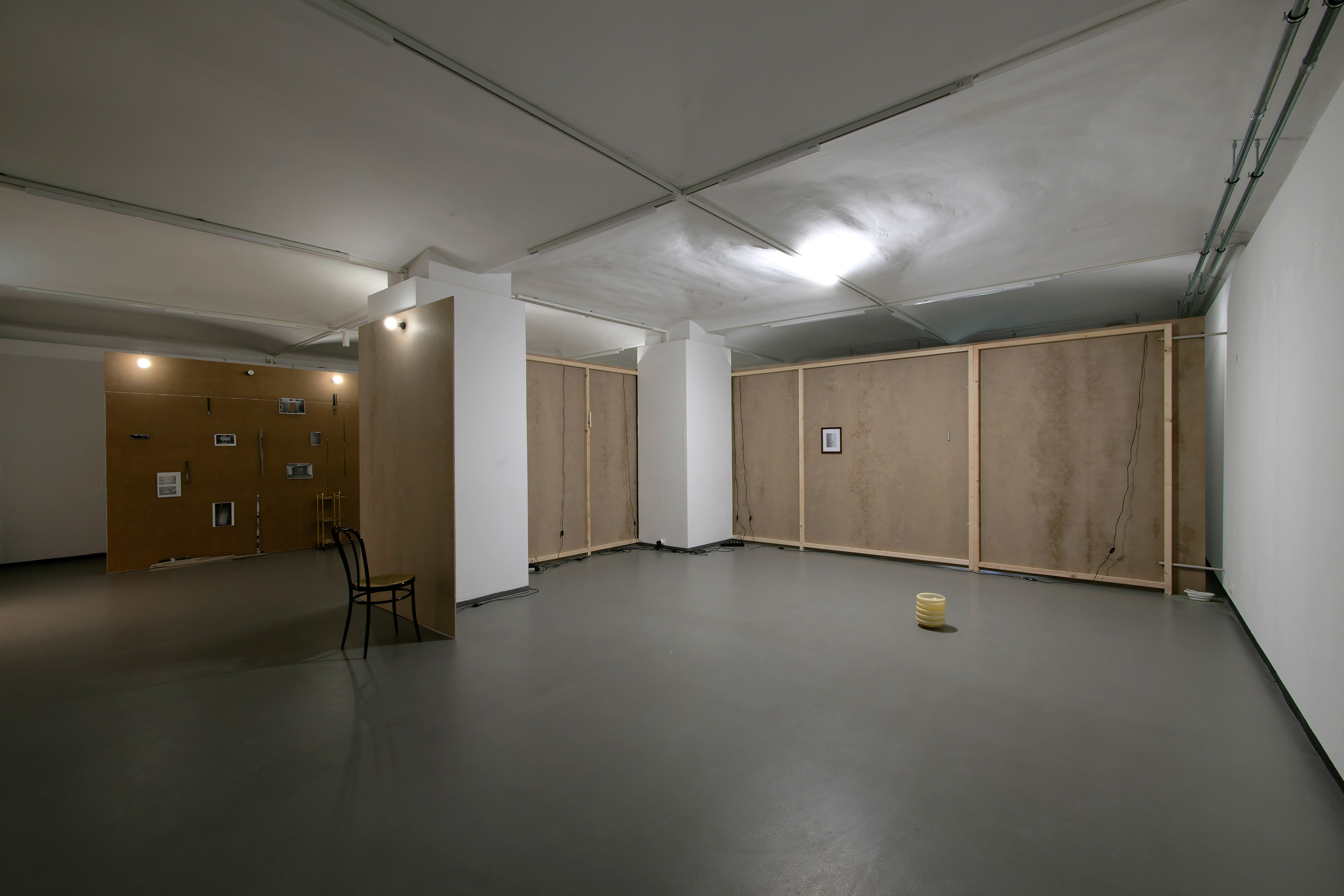
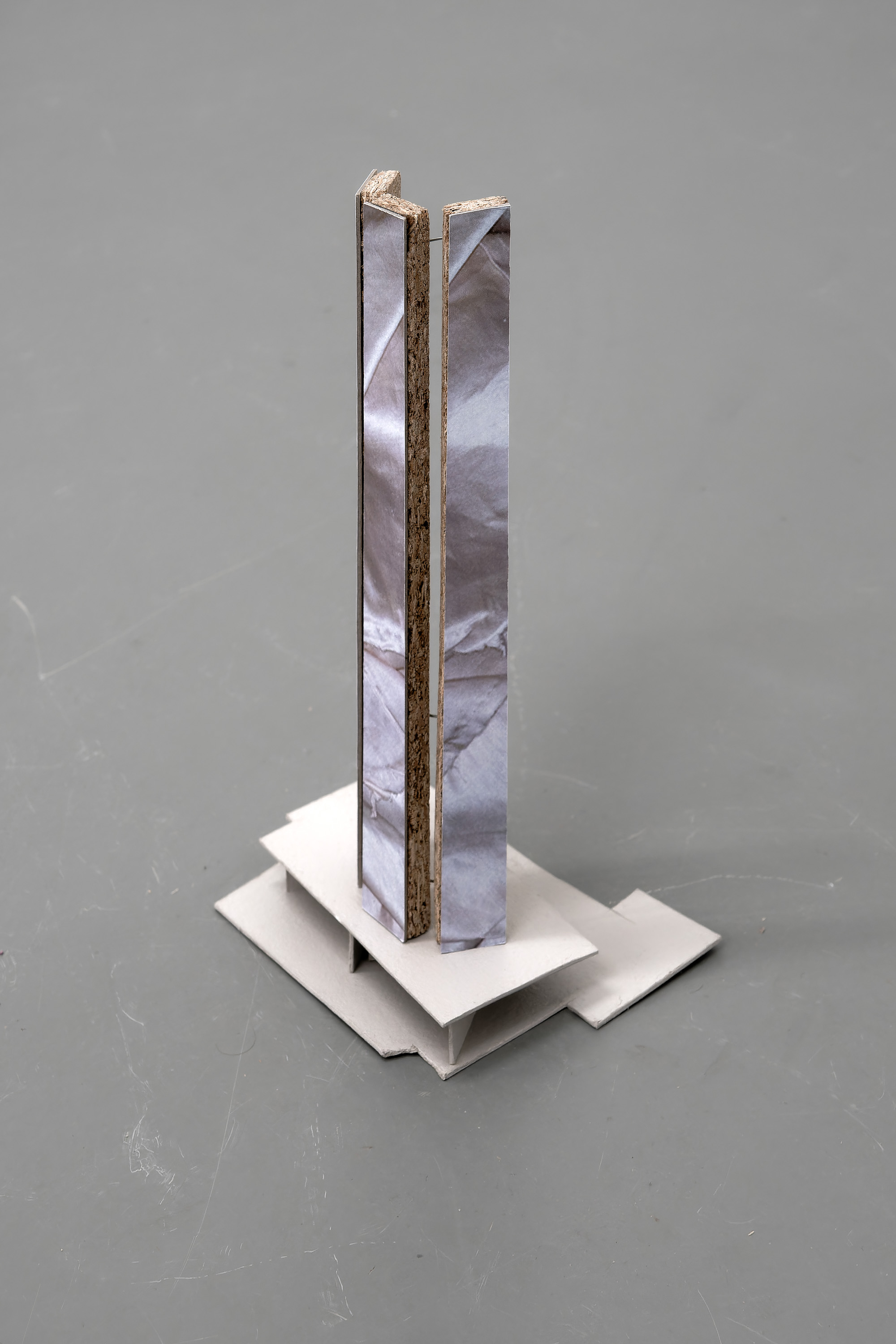
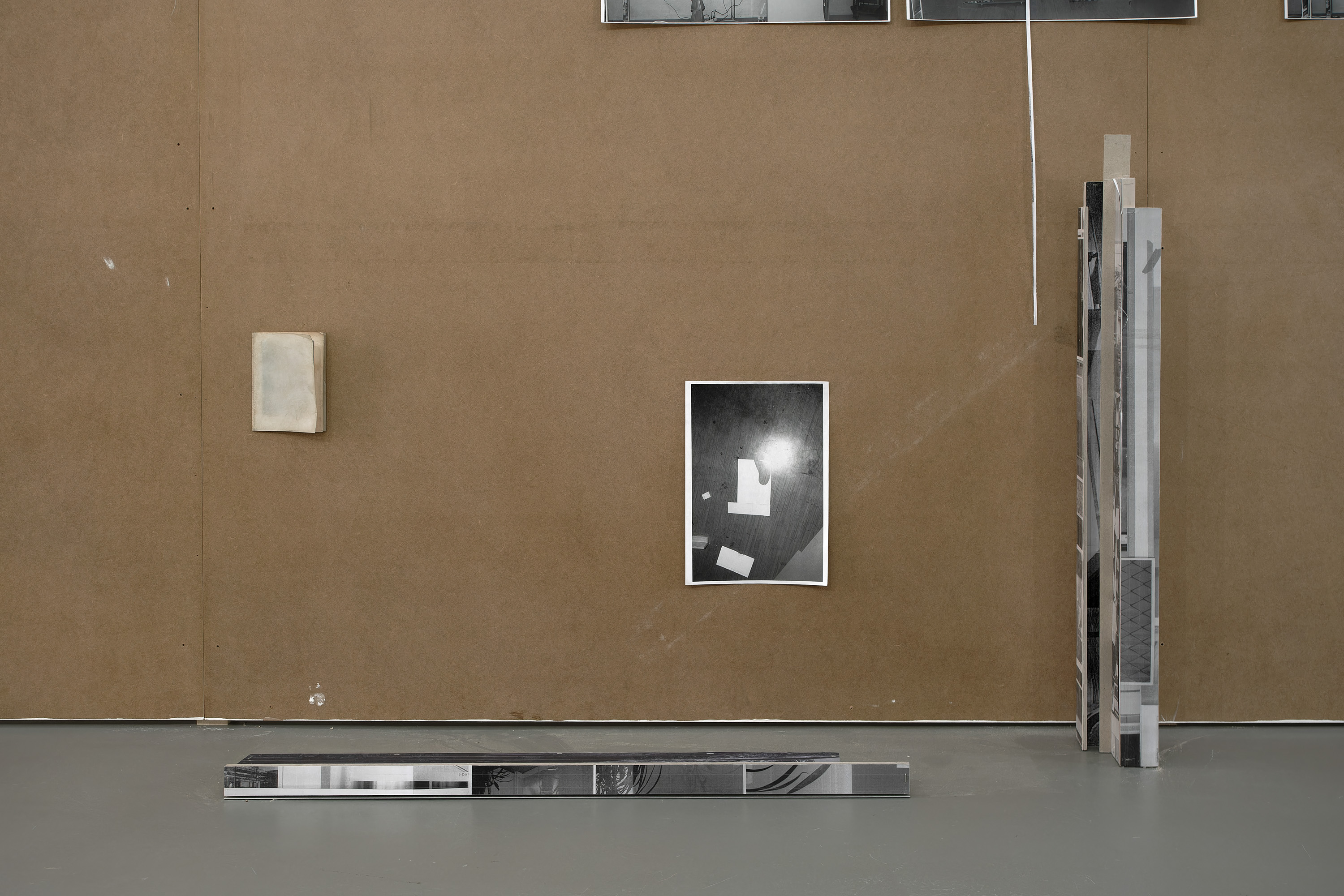
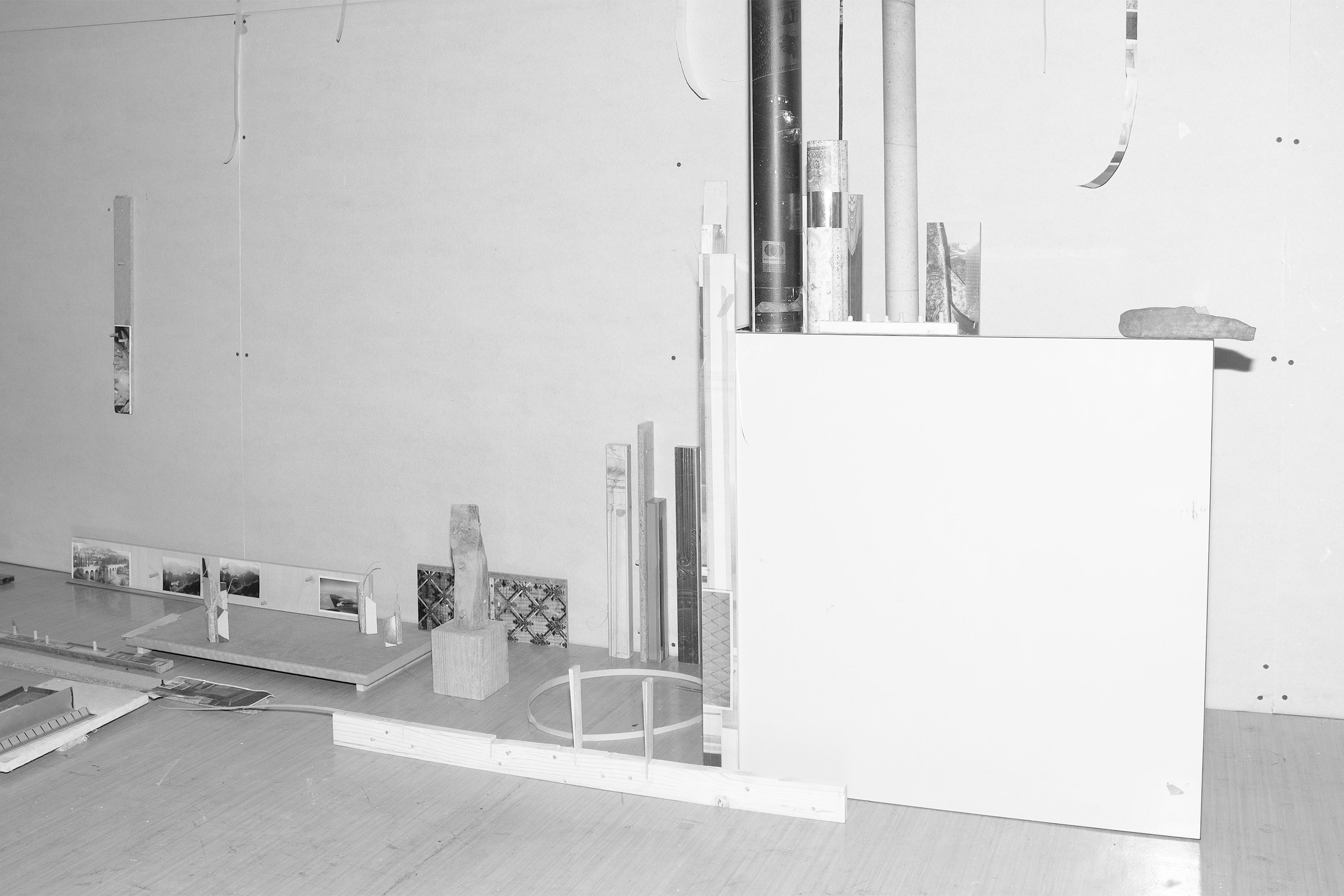
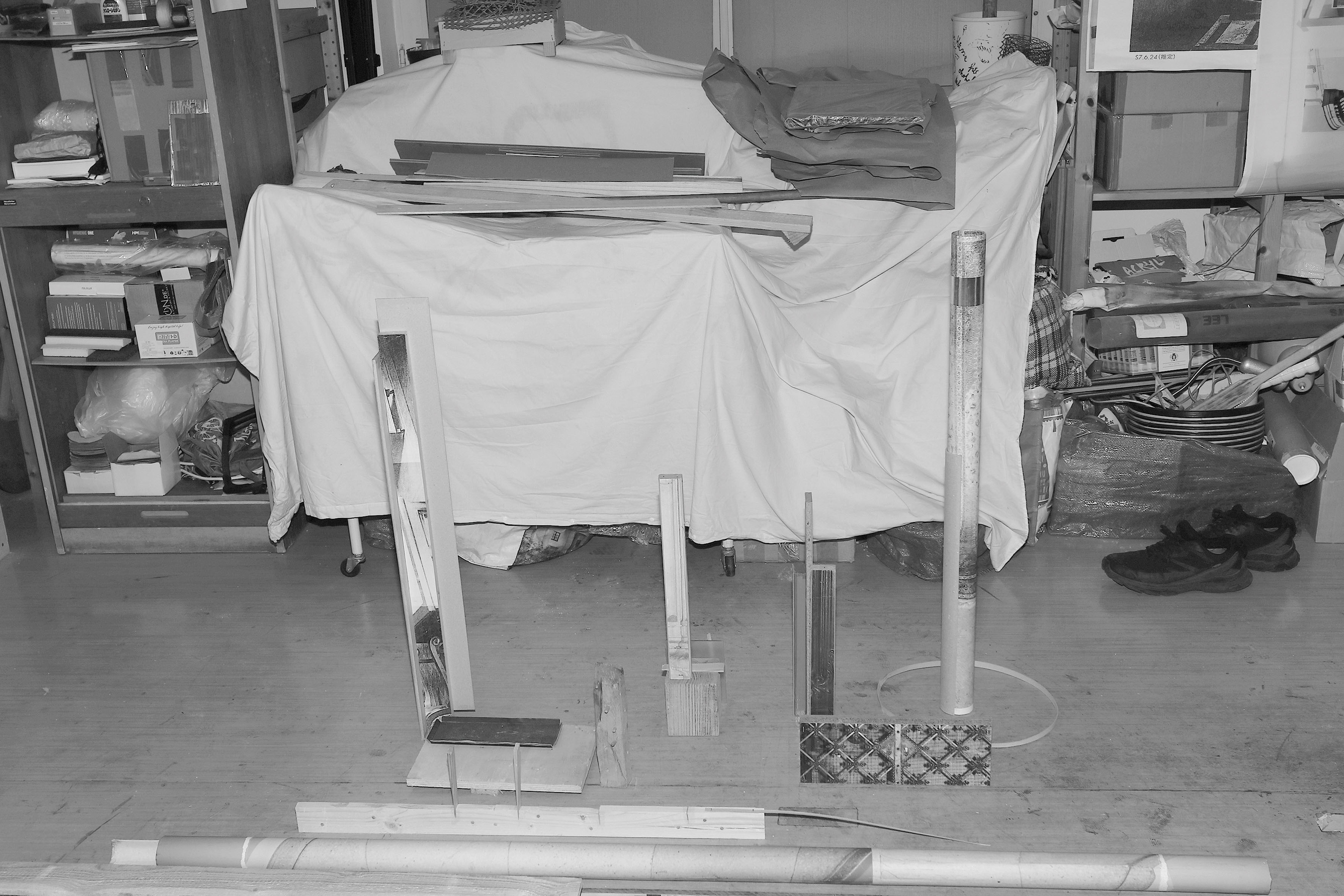
Hiroshi Takizawa’s practice is marked by a delicate interplay between photography and staged spatial arrangements. The starting point of his exhibition SOLO is what the artist describes as the “study landscape” of his studio, which shapes many of his artistic processes as a site of continual mental and material activity that almost inevitably inscribes itself into nearly all of his works.
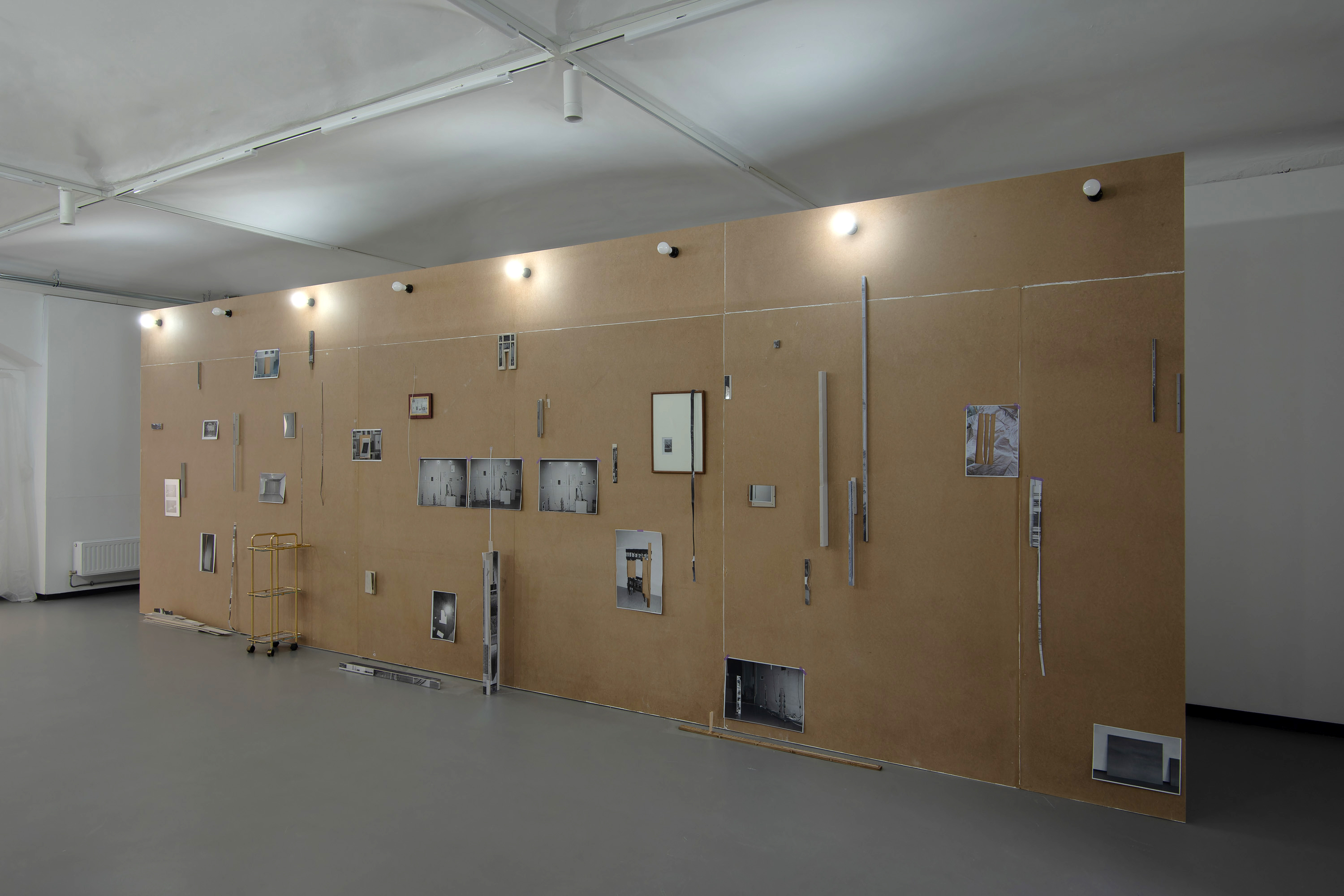
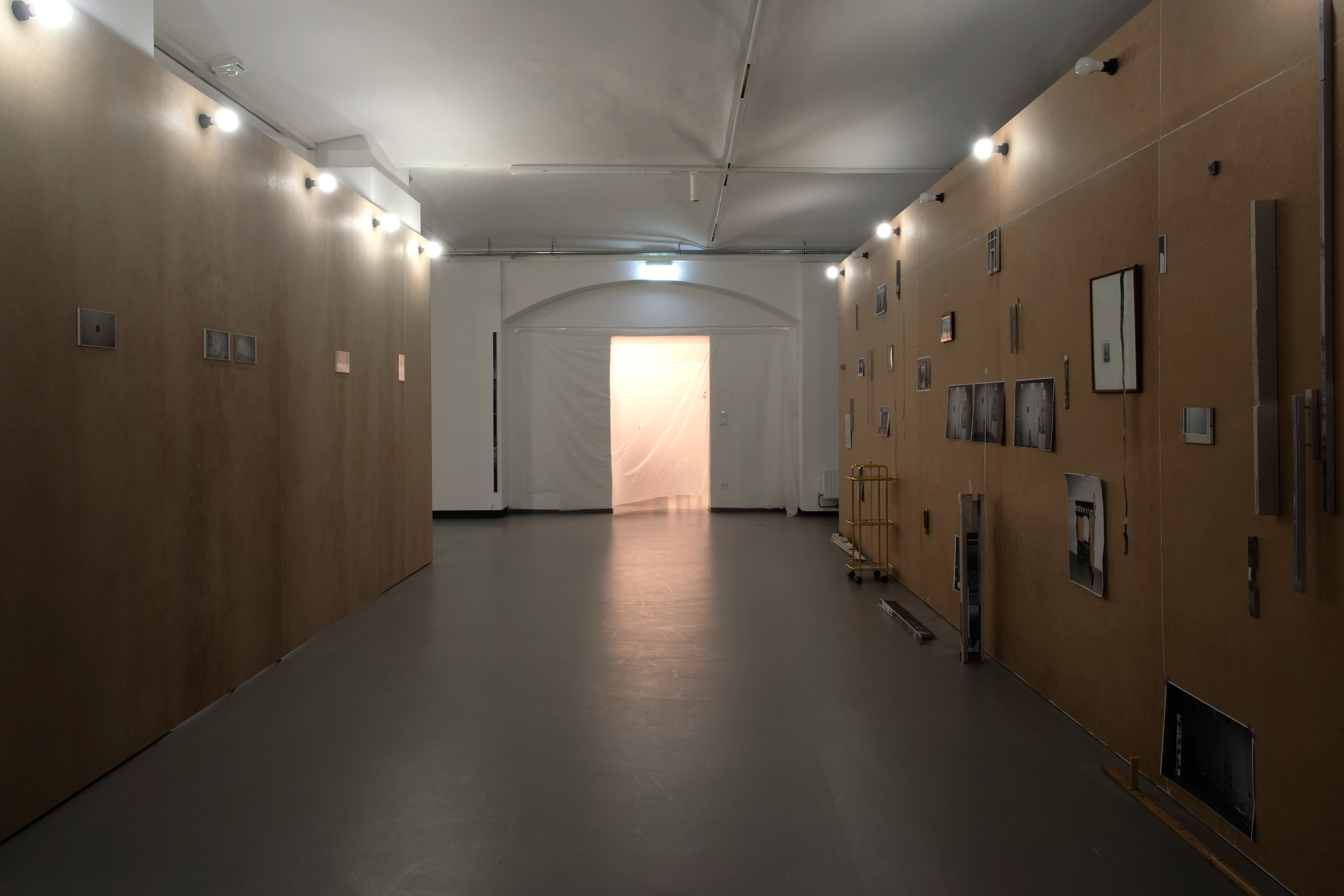
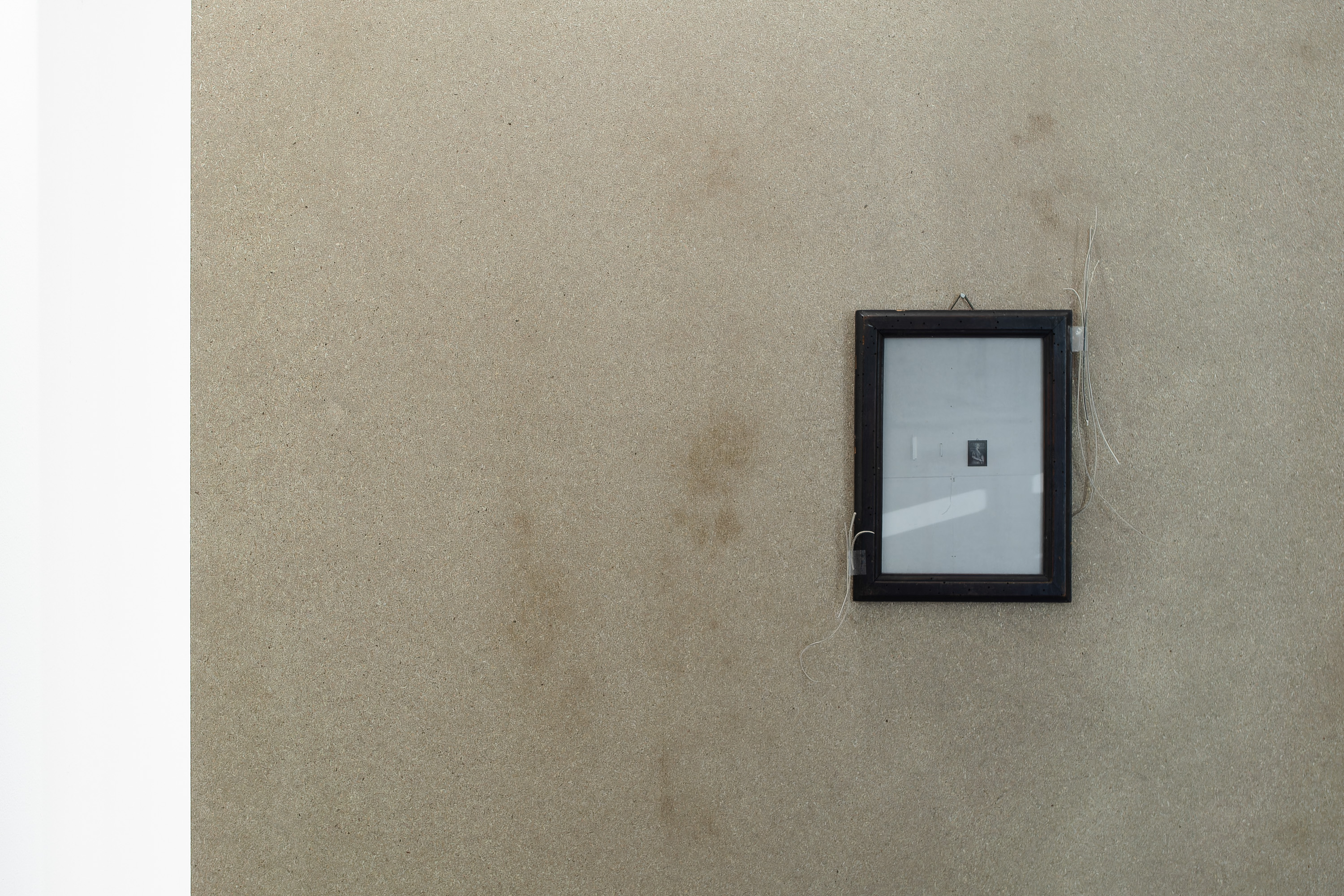
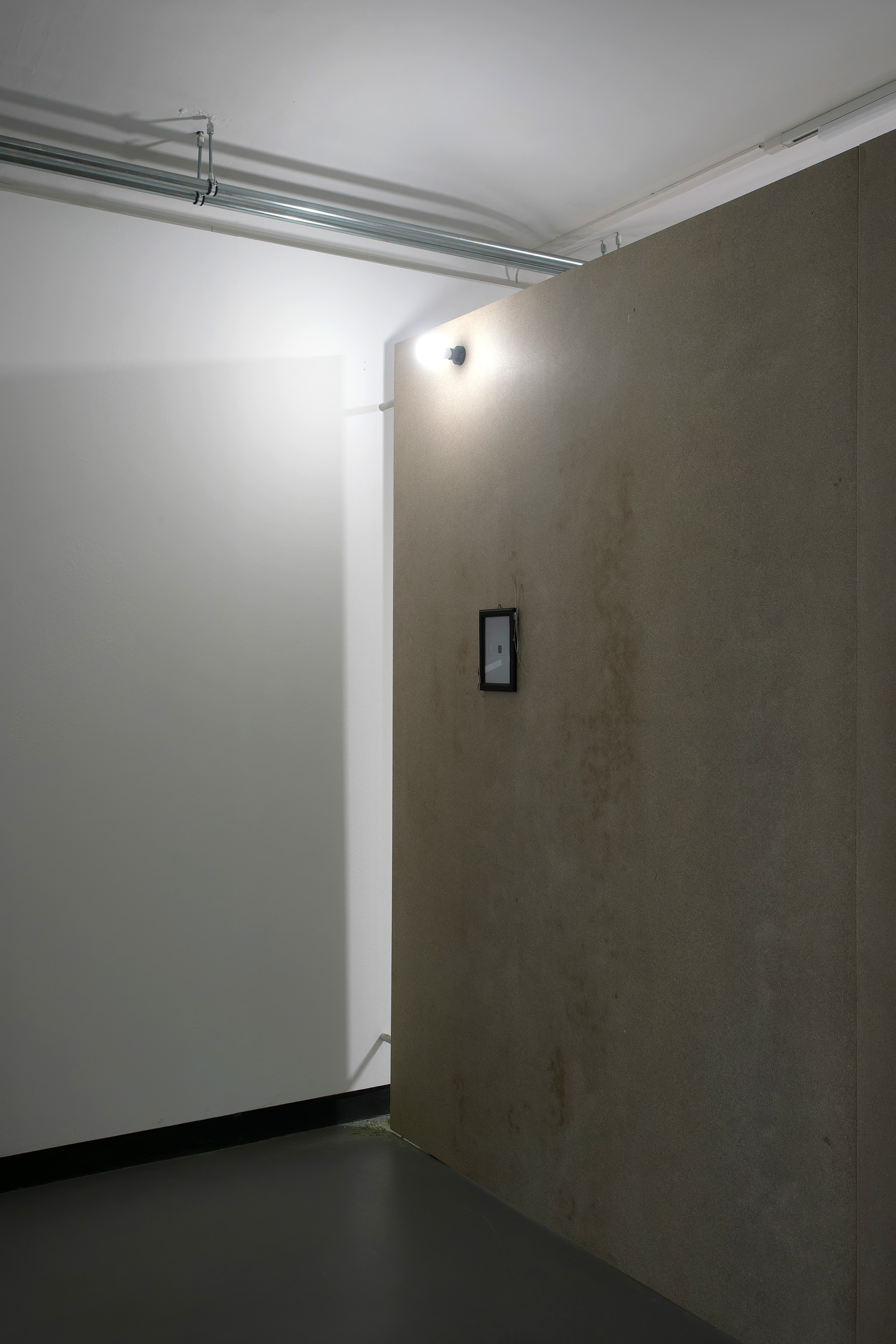
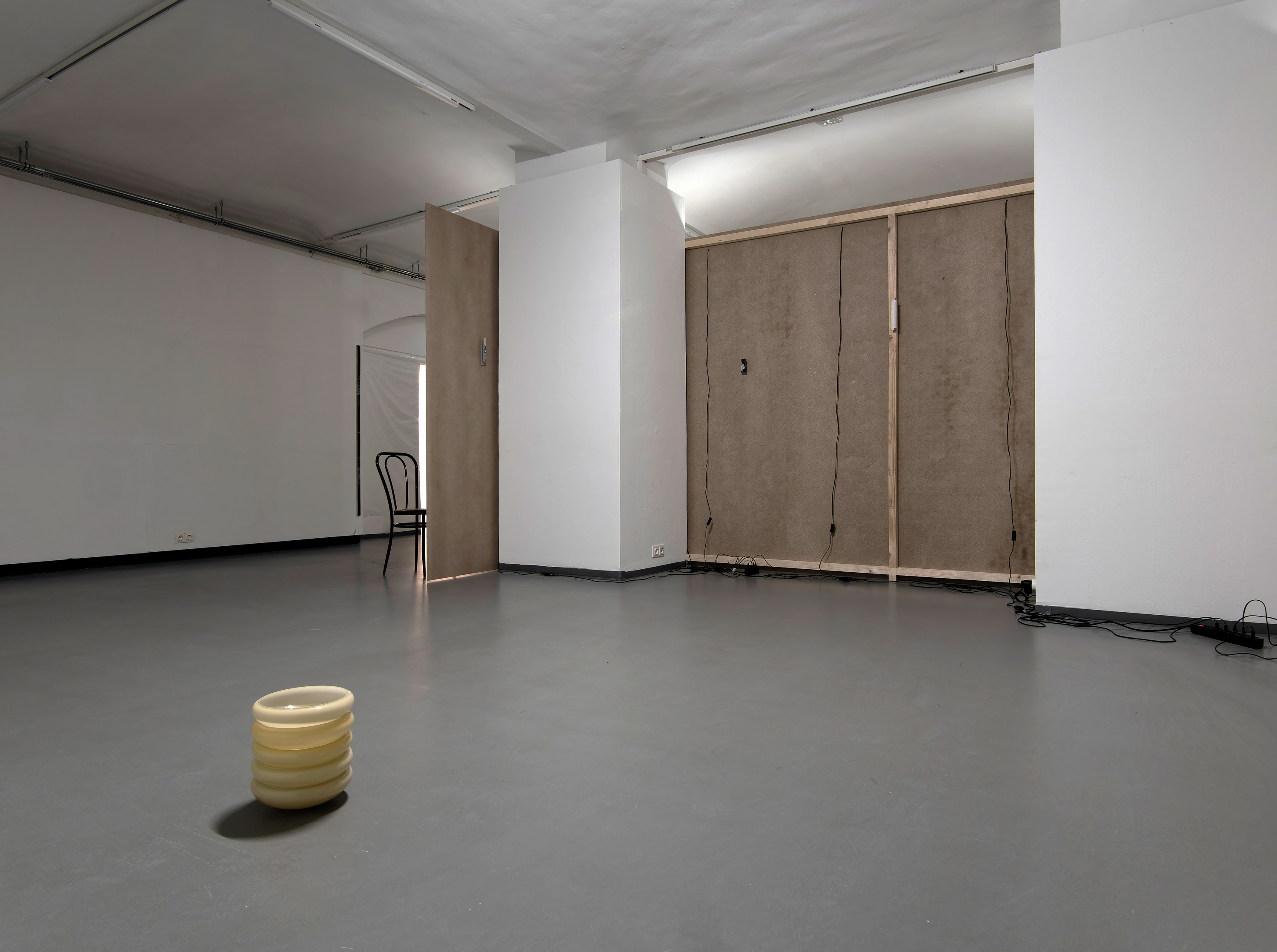
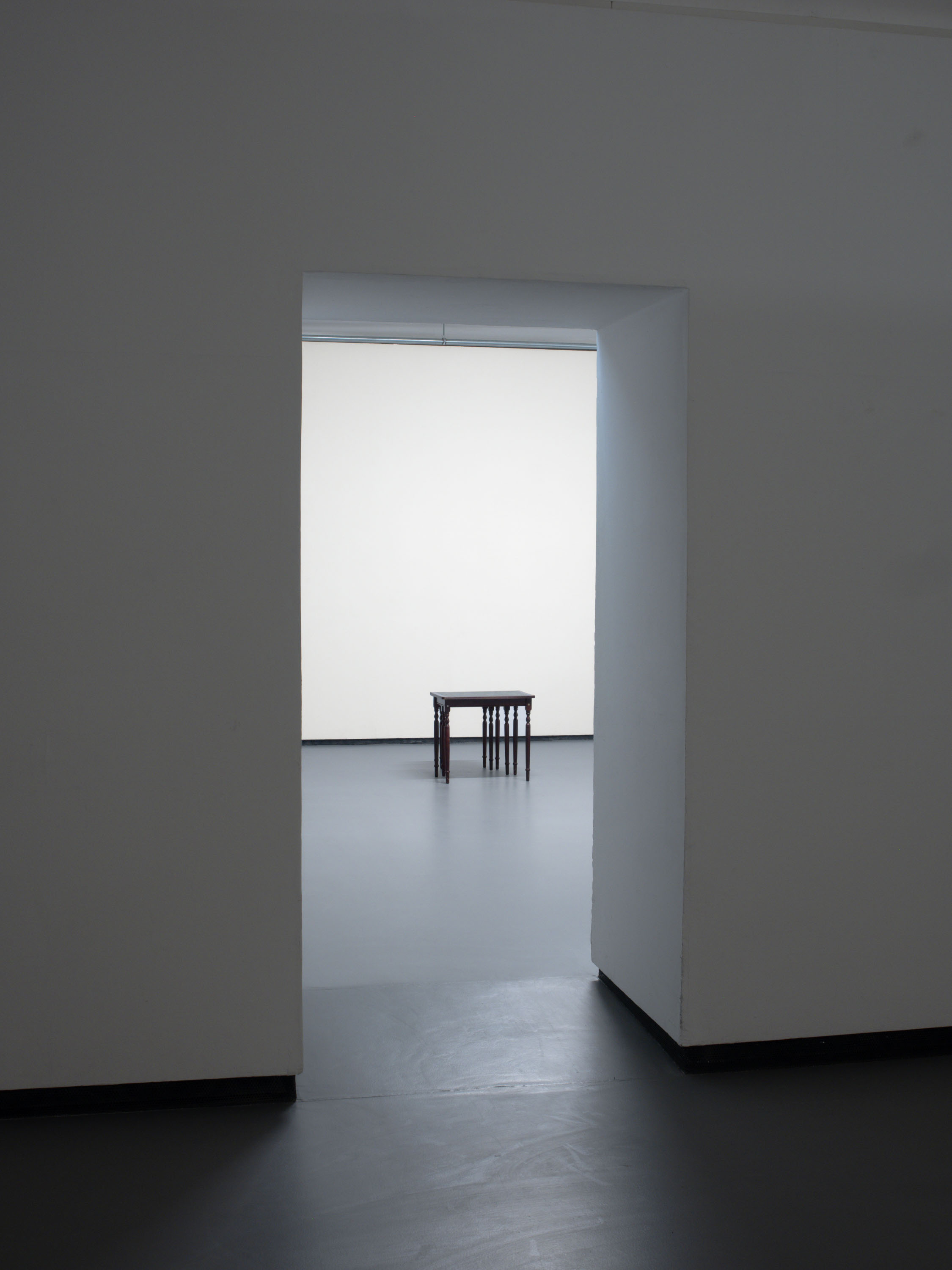
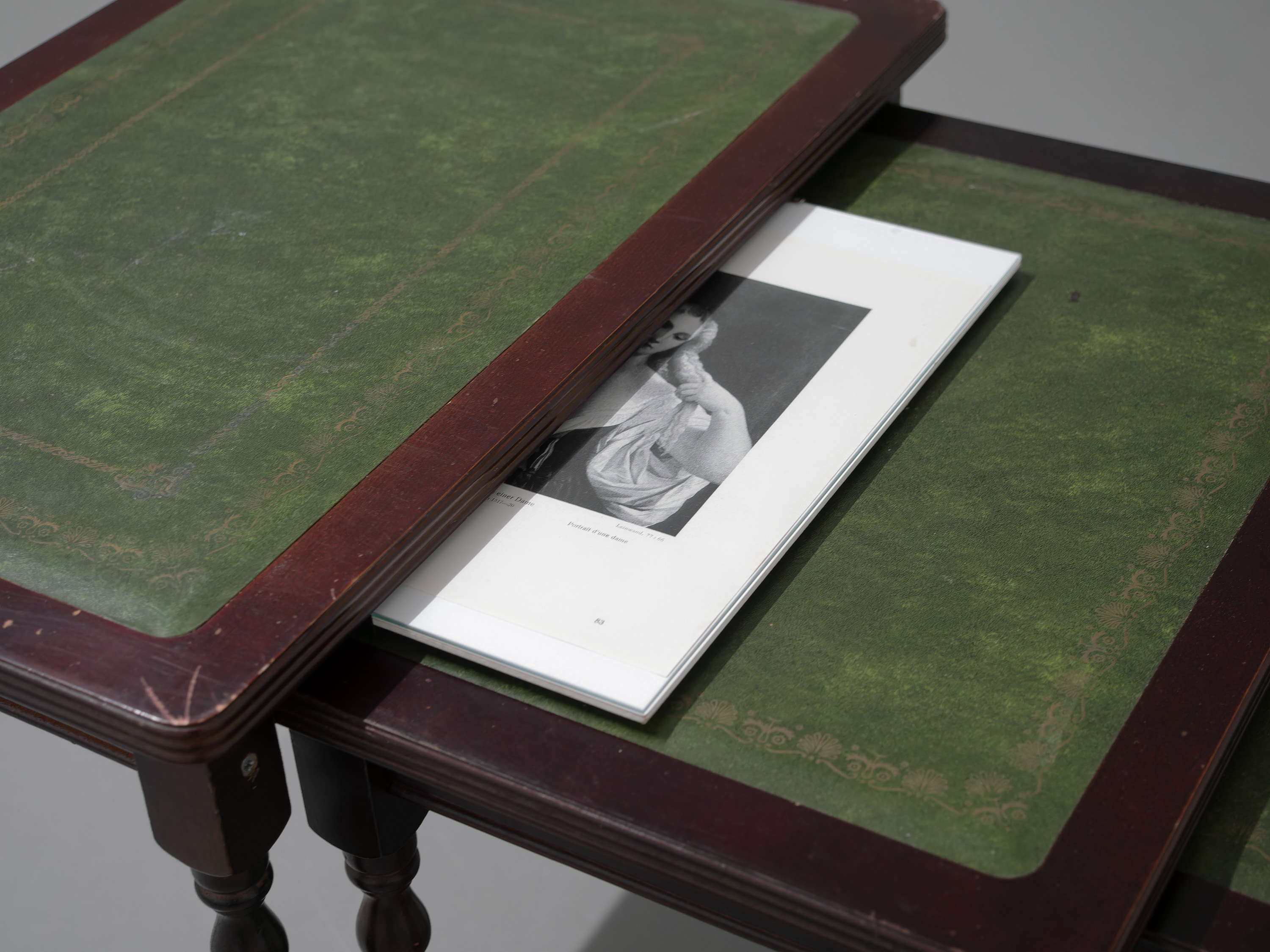
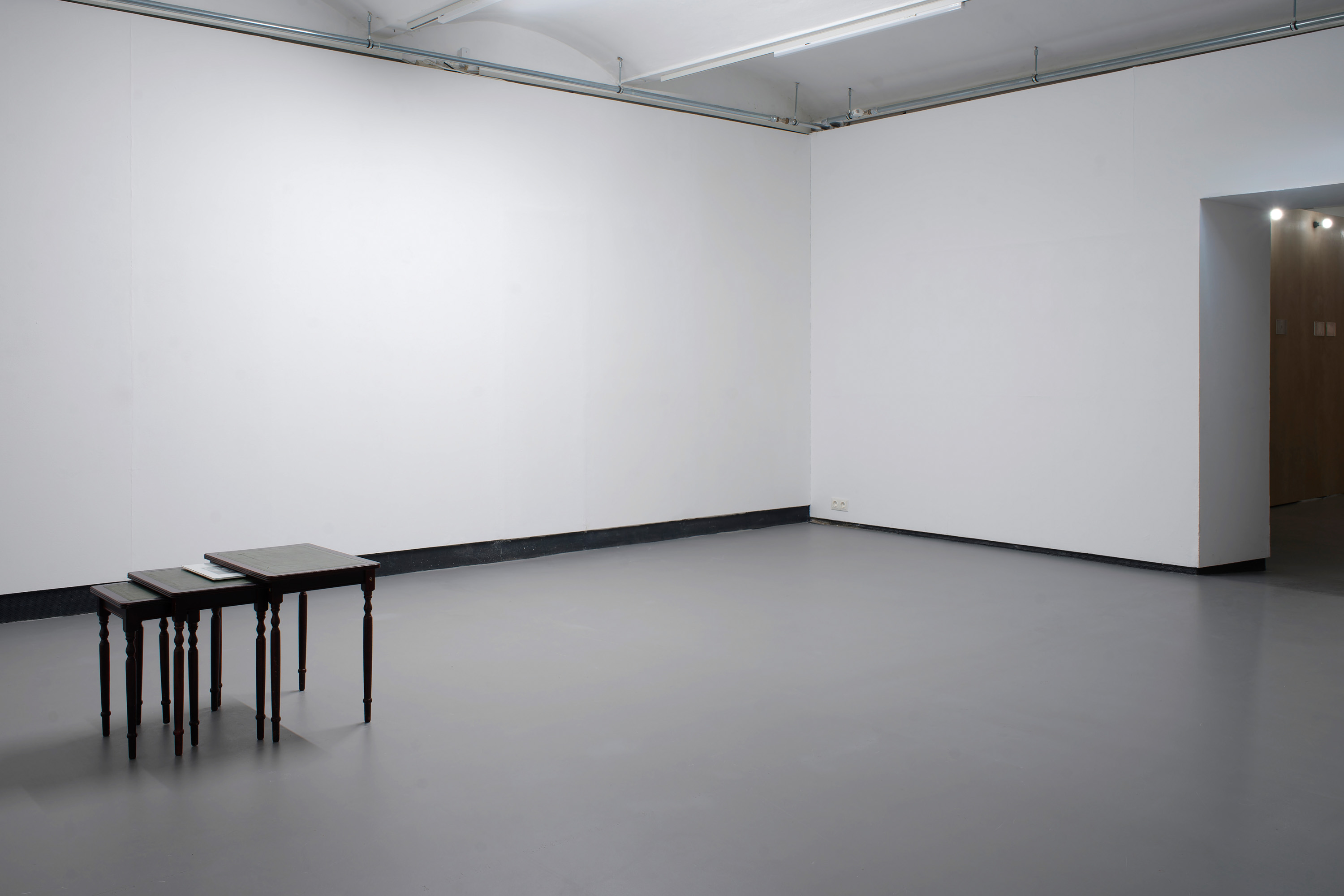
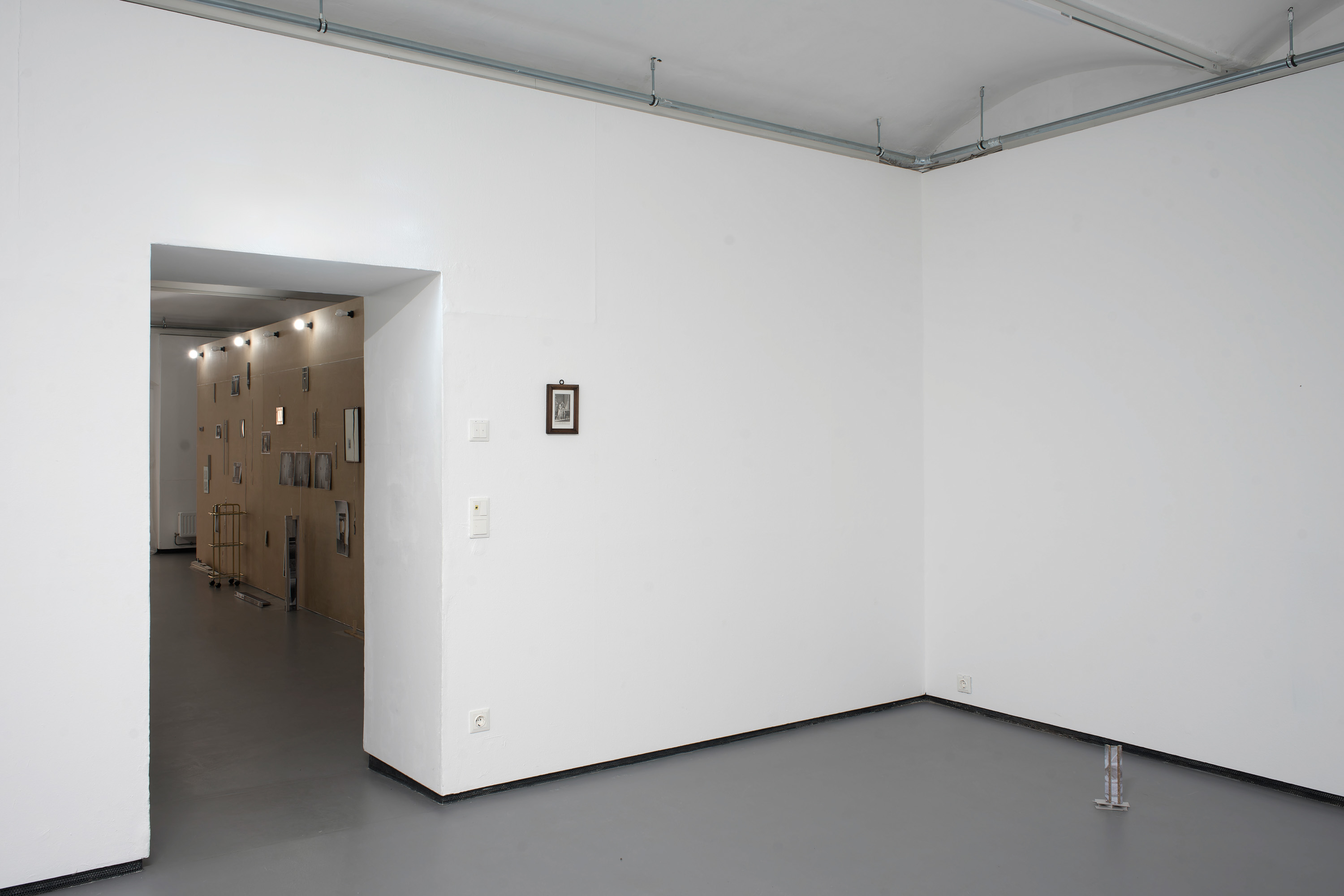
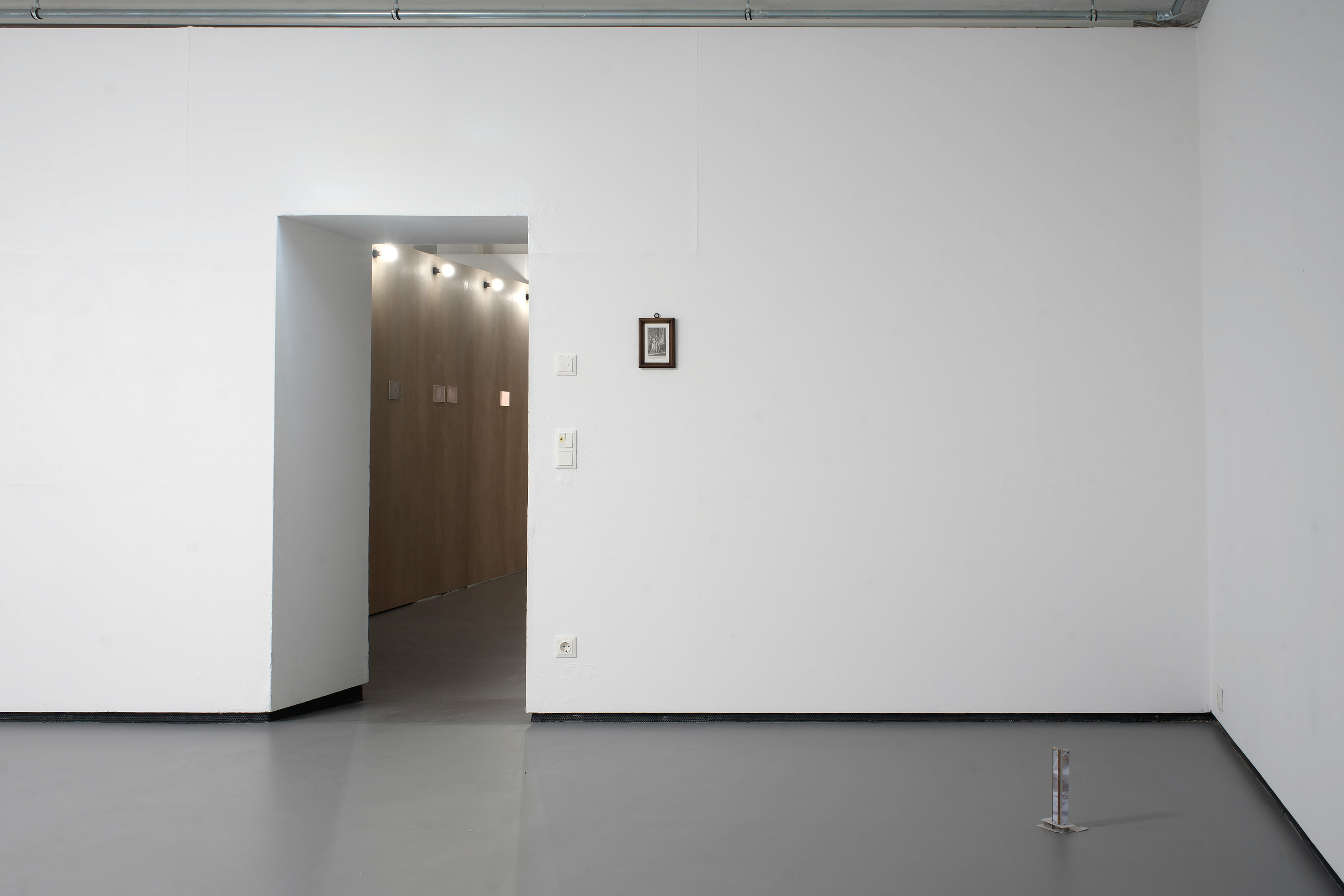
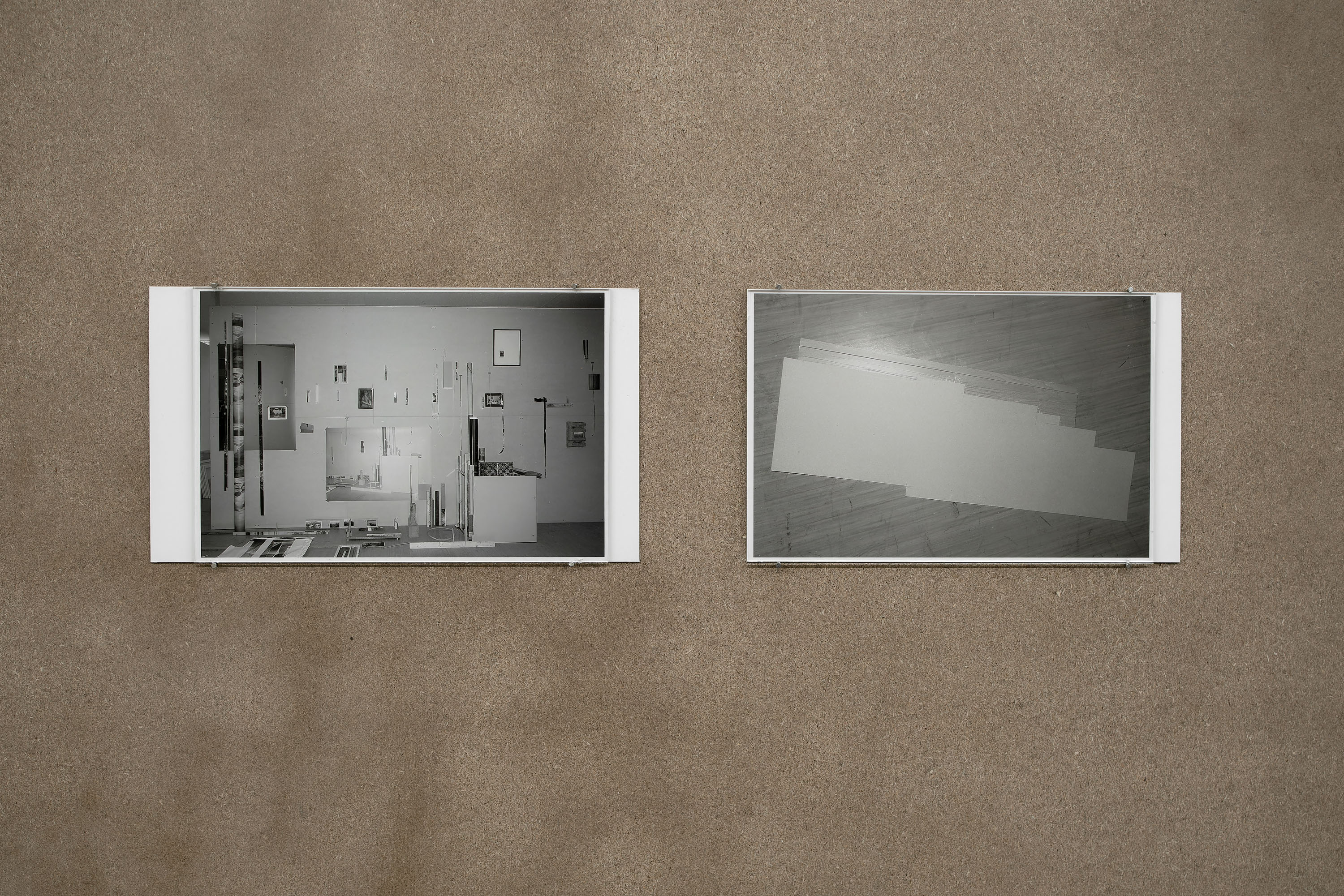
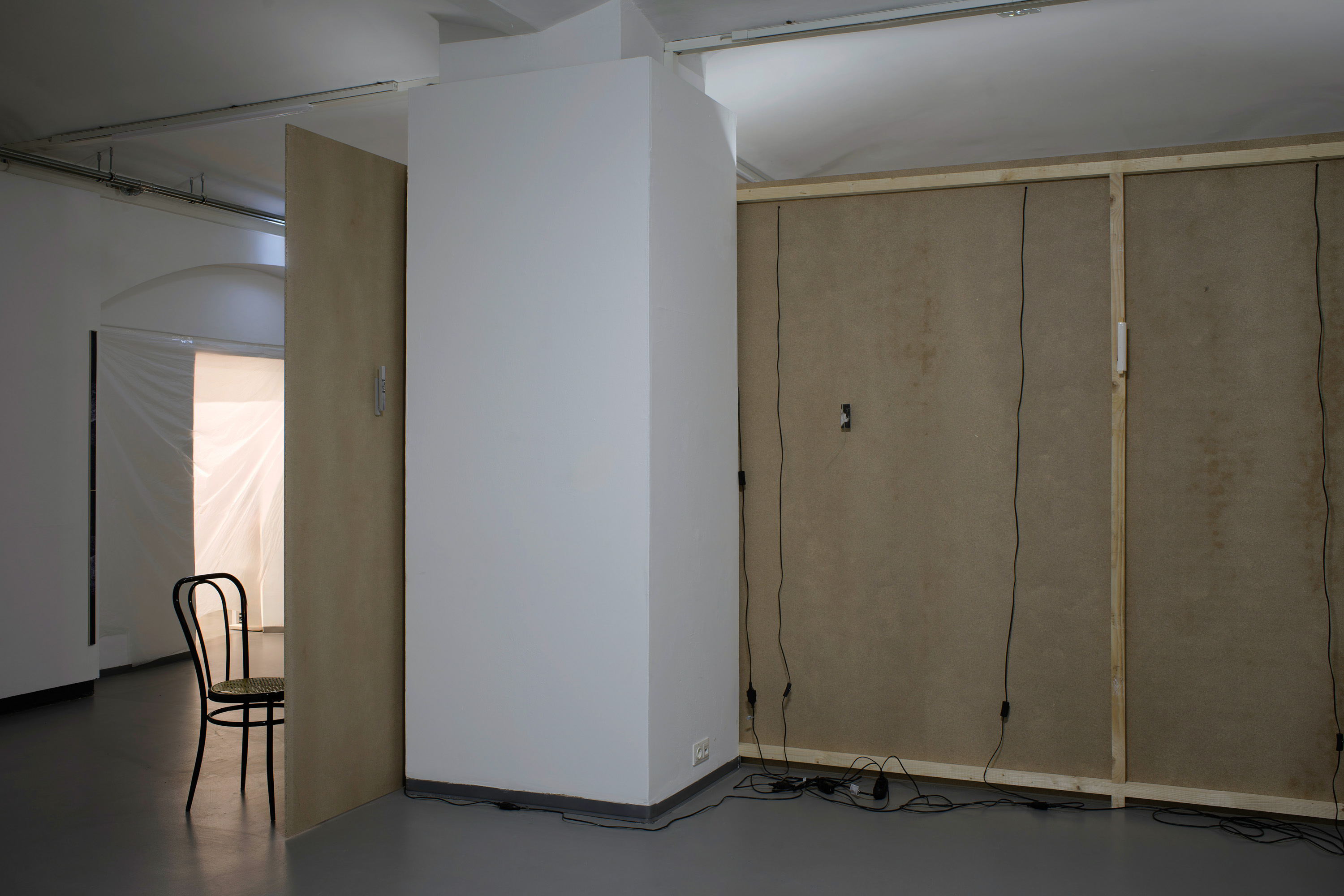
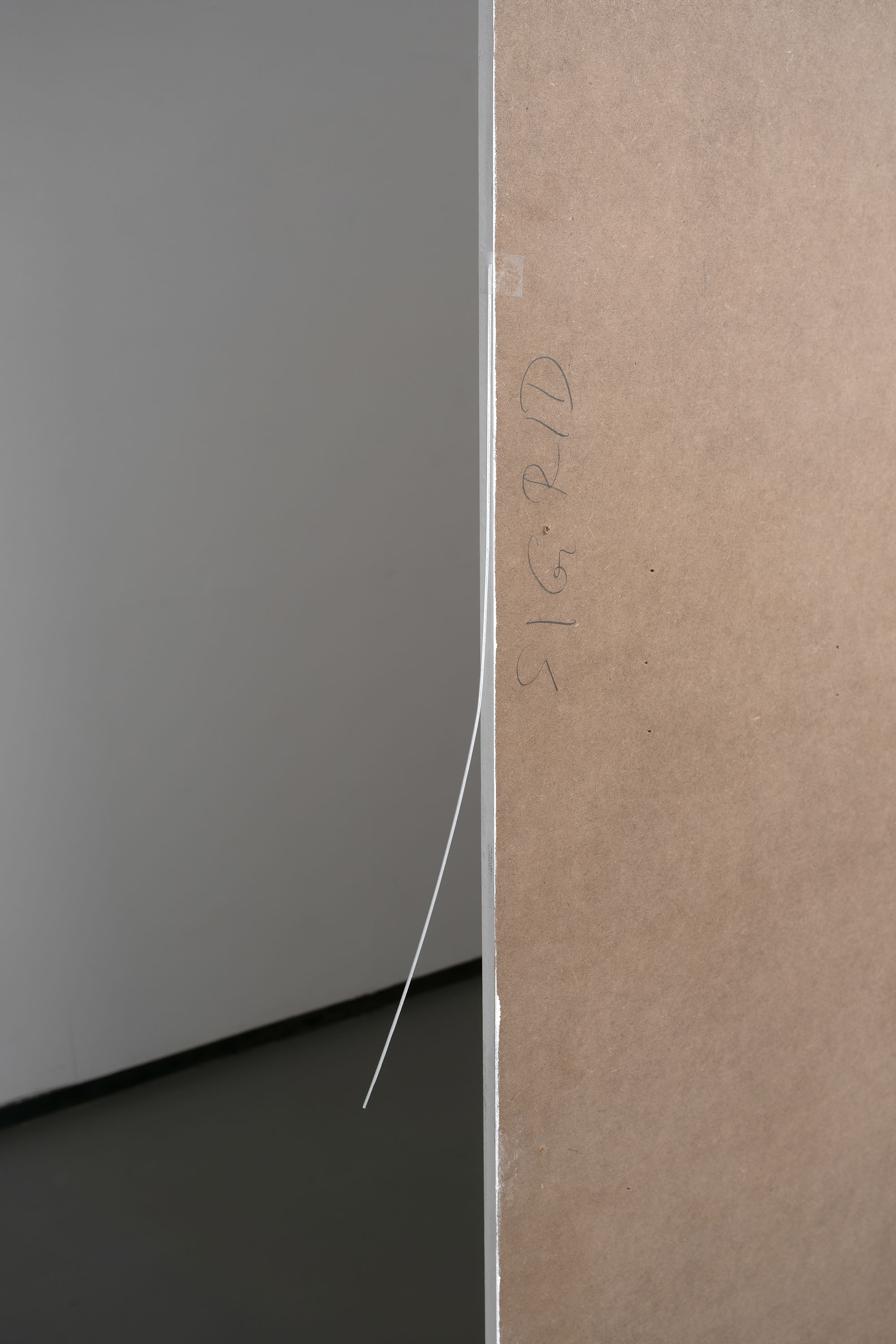
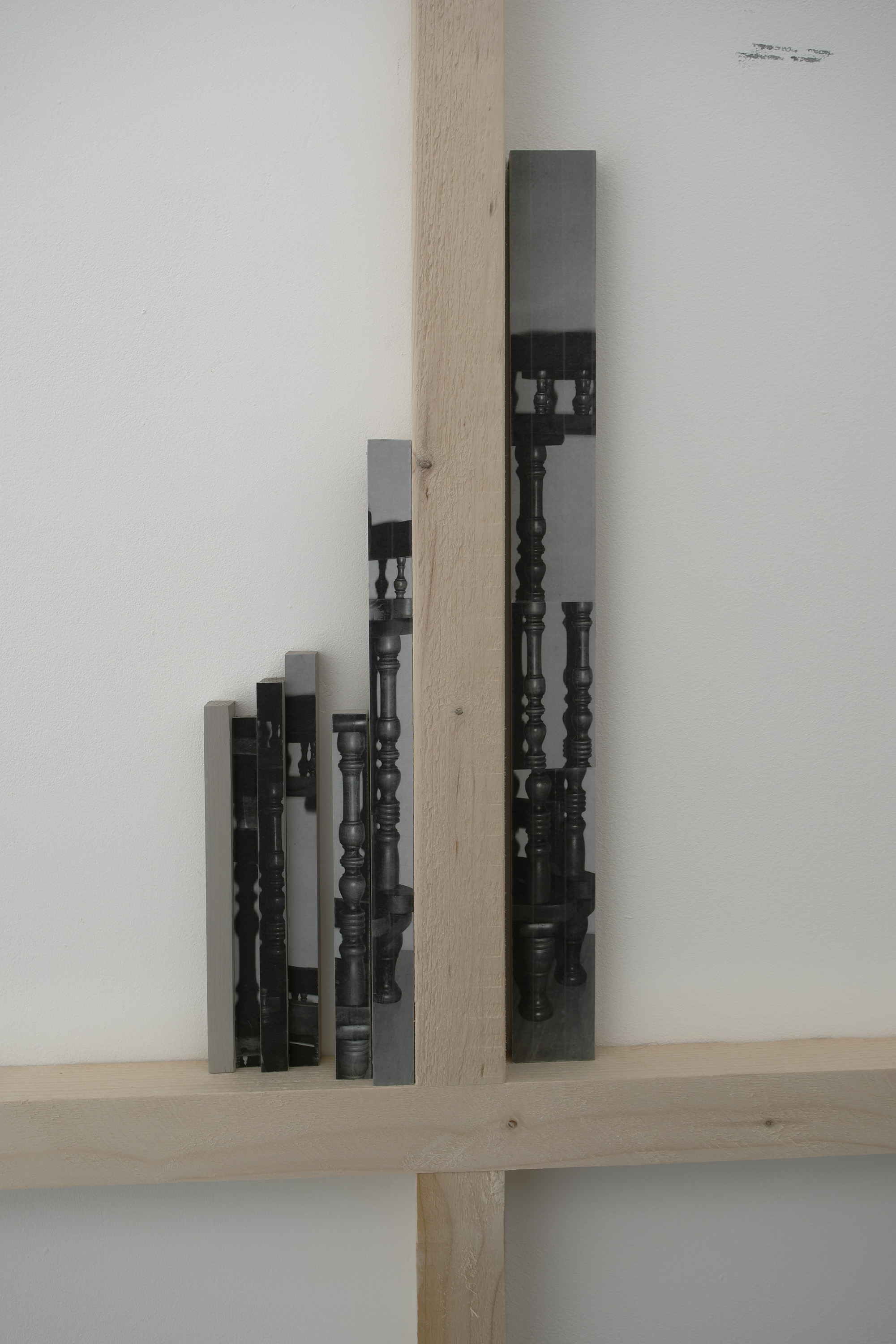
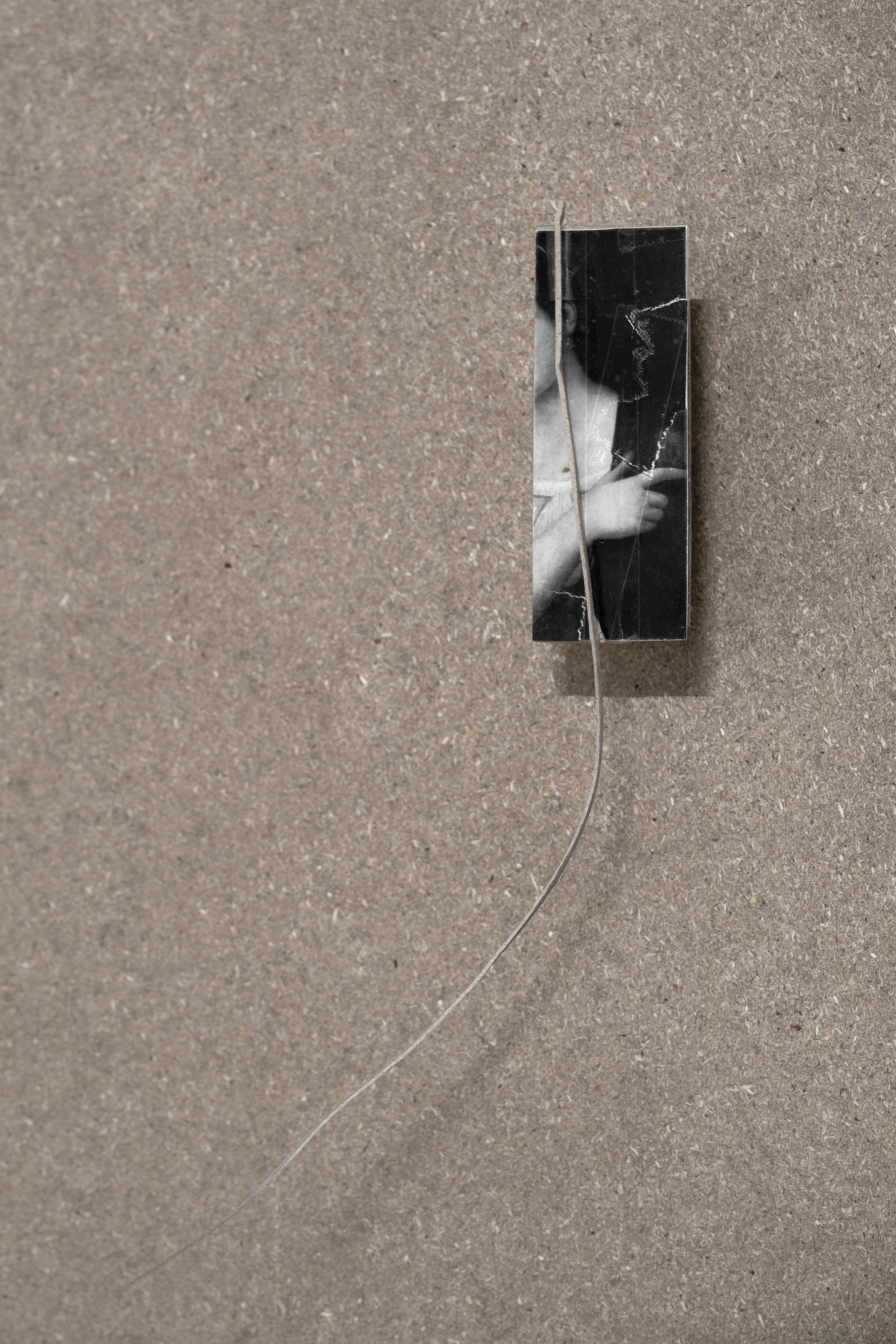
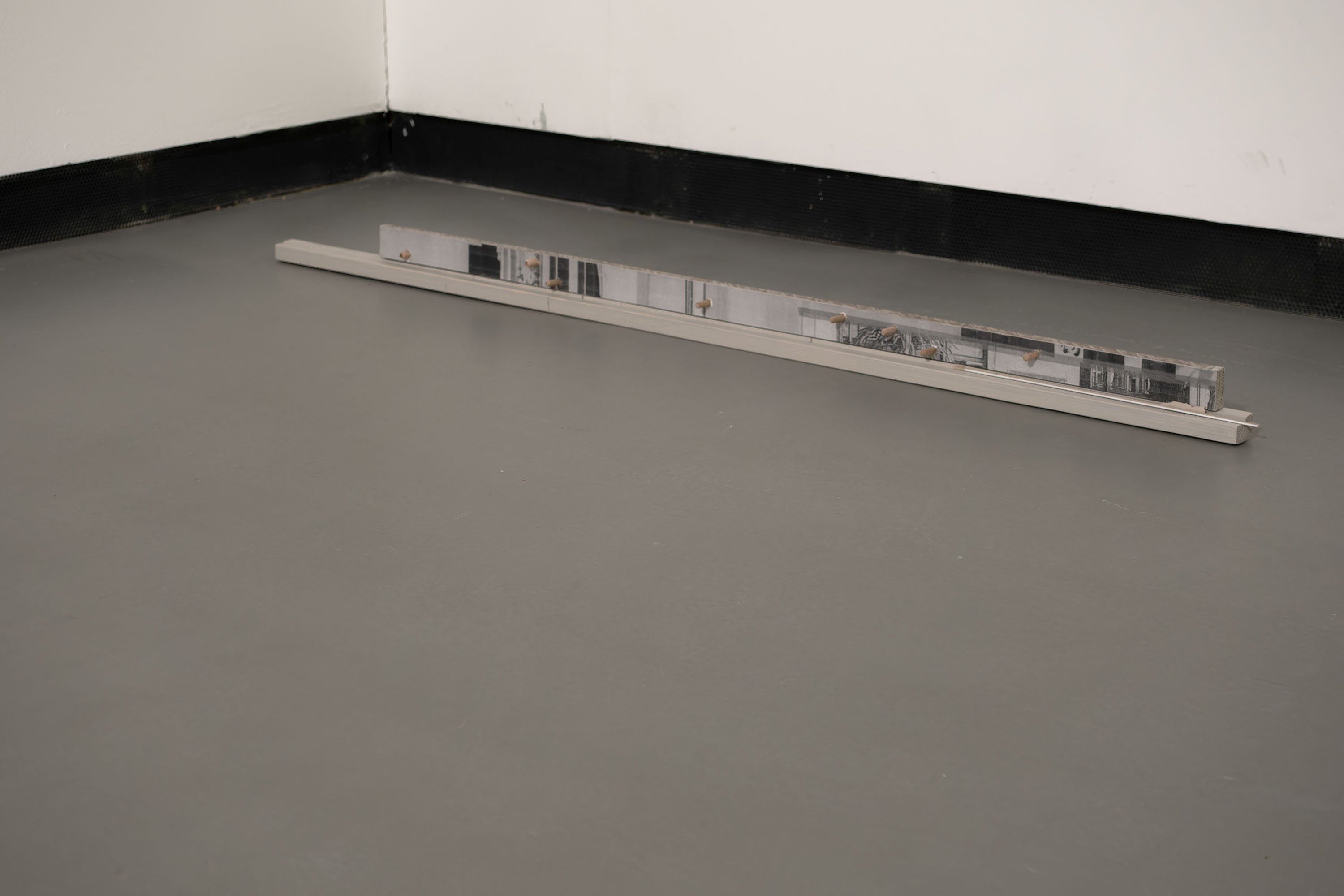
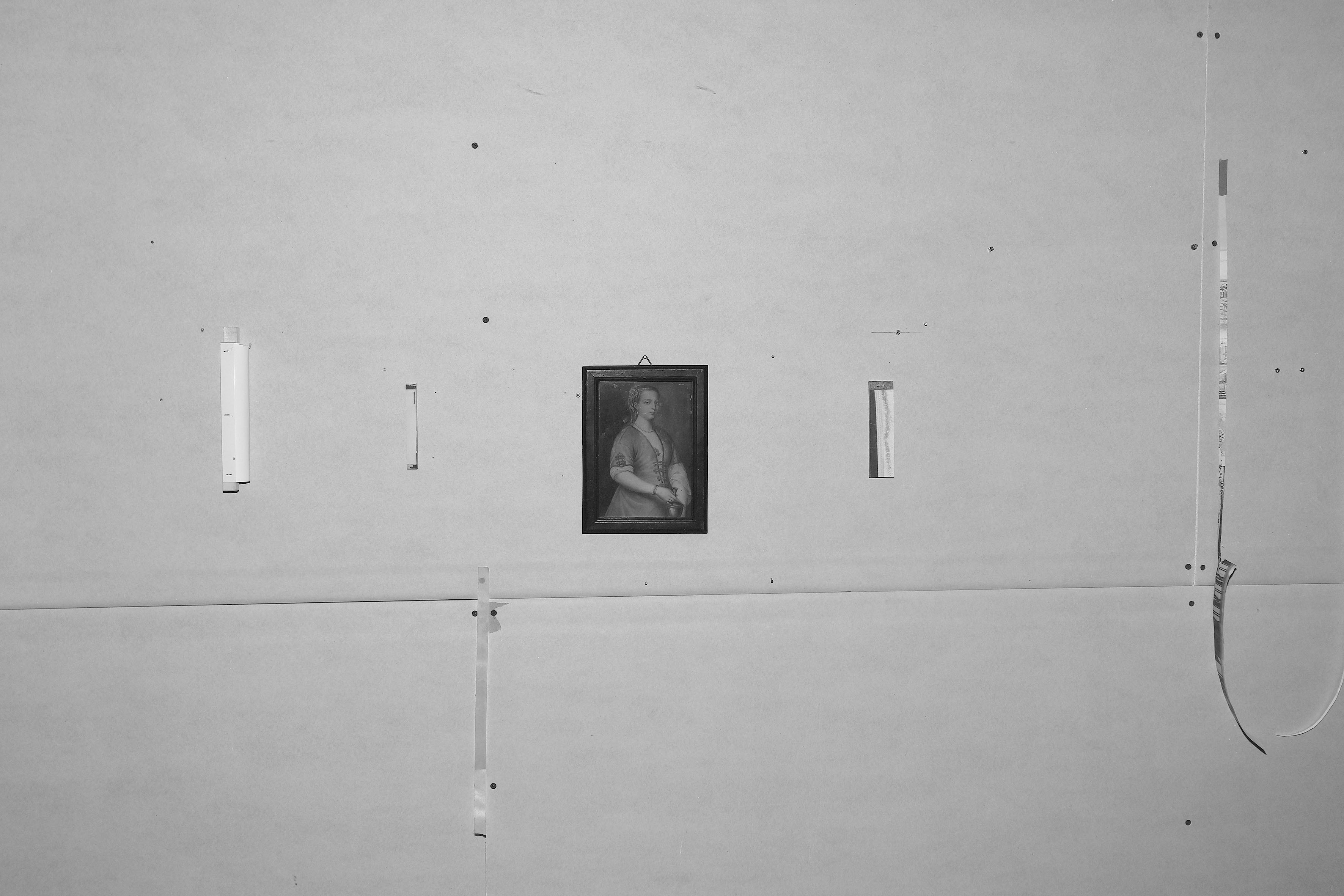
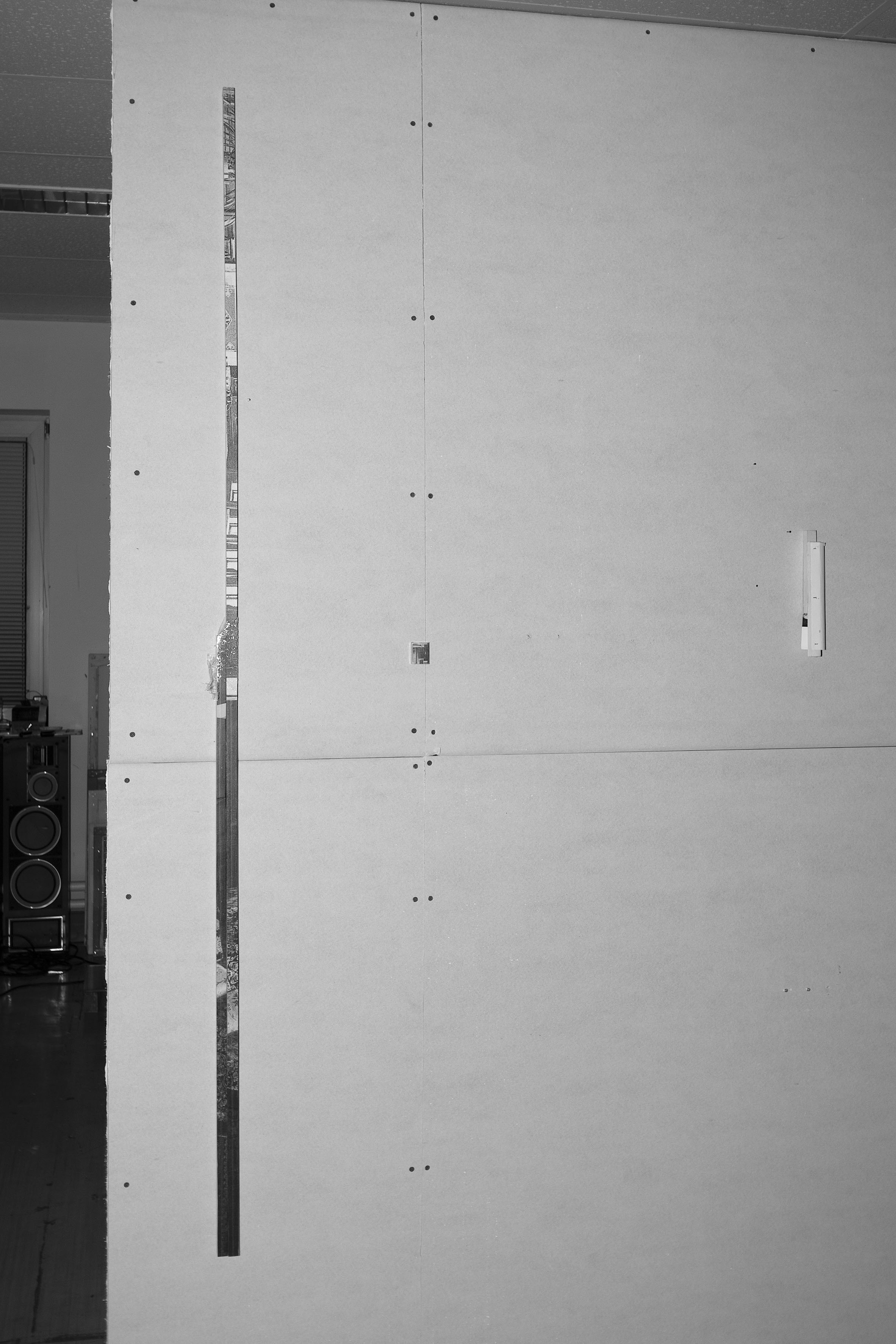
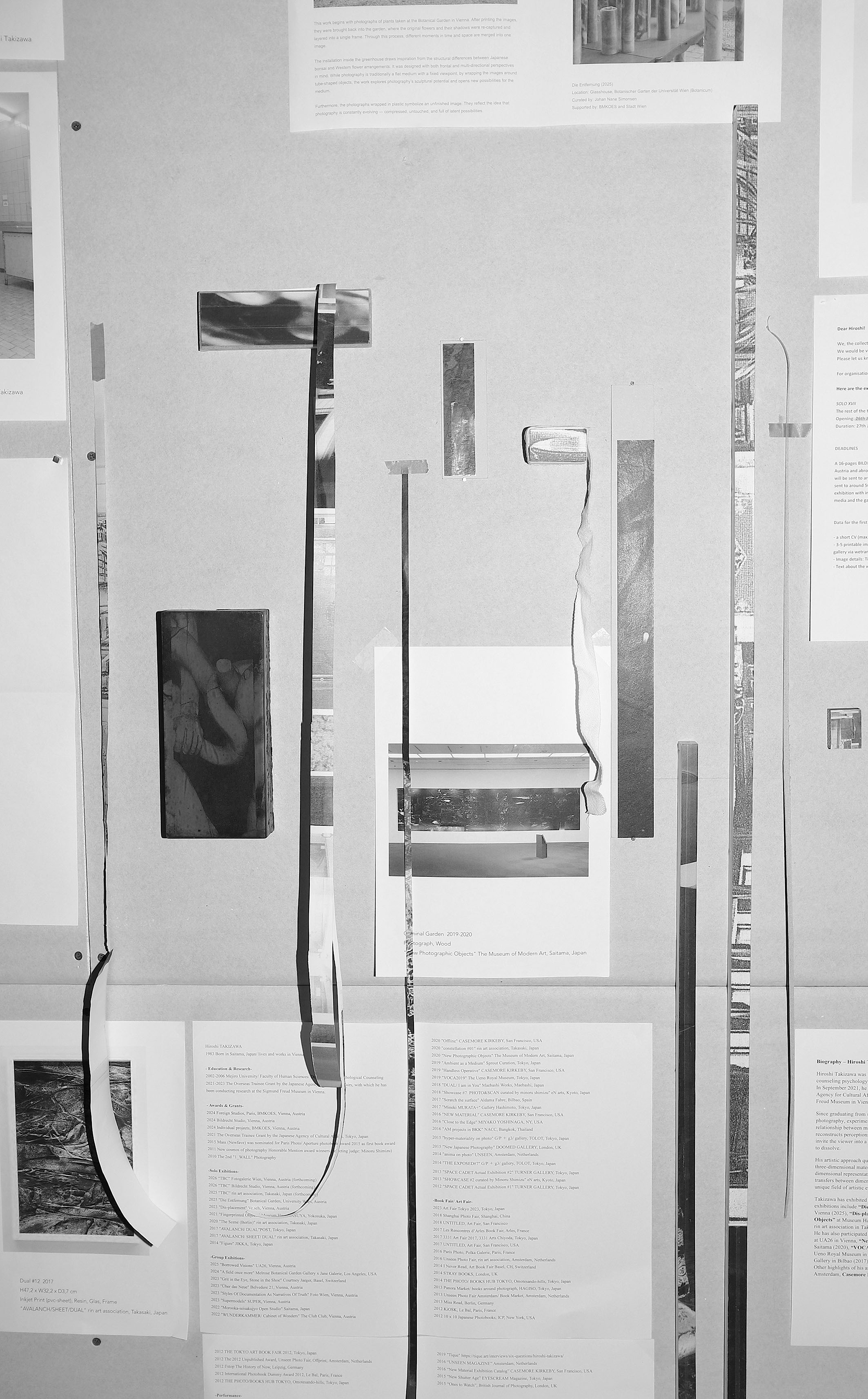
The studio becomes a visual element in itself in Takizawa’s practice – not as an idealized and pristinely neutral space but as one in which objects accumulate, overlap, and consolidate into a multilayered environment. Takizawa takes an open and process-oriented approach to photography that allows images to unfold sculptural qualities instead of merely appearing as flat supports. Large-format photographs are positioned rolled-up, lying on the floor, or standing upright within the exhibition space, where they are combined with found objects and working materials. Some photographs particularly foreground the artist’s staging, such as when he attaches framed images and narrow photo strips onto a plaster-board wall and records the moment when a beam of light falls on the arrangement from the side.
The spatial dimension of his works is frequently carried over into a visual tension within the images that particularly emerges from the contrasts of black-and-white photography. The accumulation of these different informational and “picture in picture” elements typifies the fragmented character of Takizawa’s photography, which eschews the medium’s documentary function in favor of a poetic visual language that works with the processual and fleeting. This emphasizes the temporary and entirely unstable nature of the moments the artist records, speaking to his interest in grasping time as a constant that is shaped by our perception. Takizawa describes this as being “like a sediment of layers in which past and present are simultaneously present and in which events and memories, images and materials, exist side by side and mutually shape one another.”
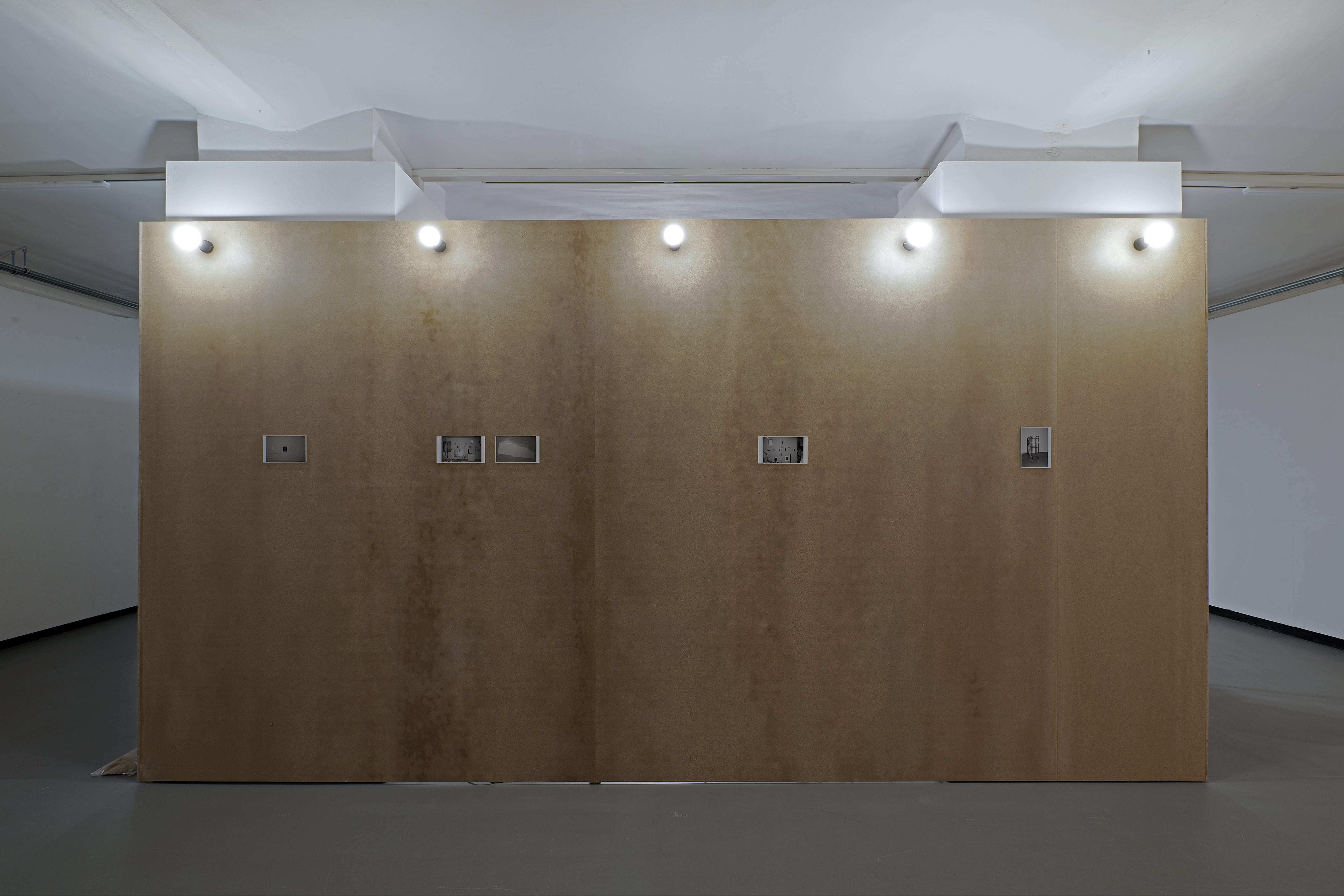
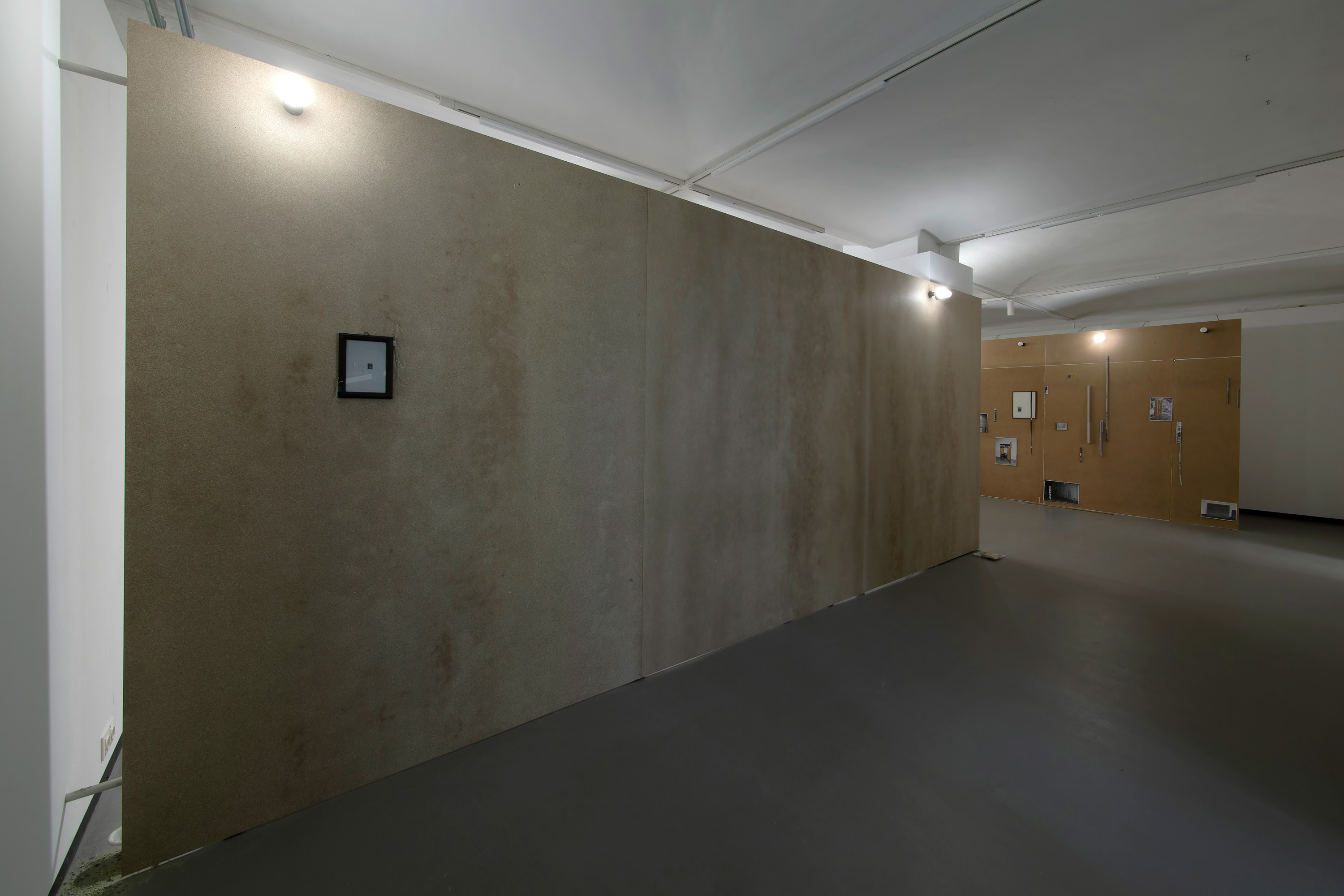
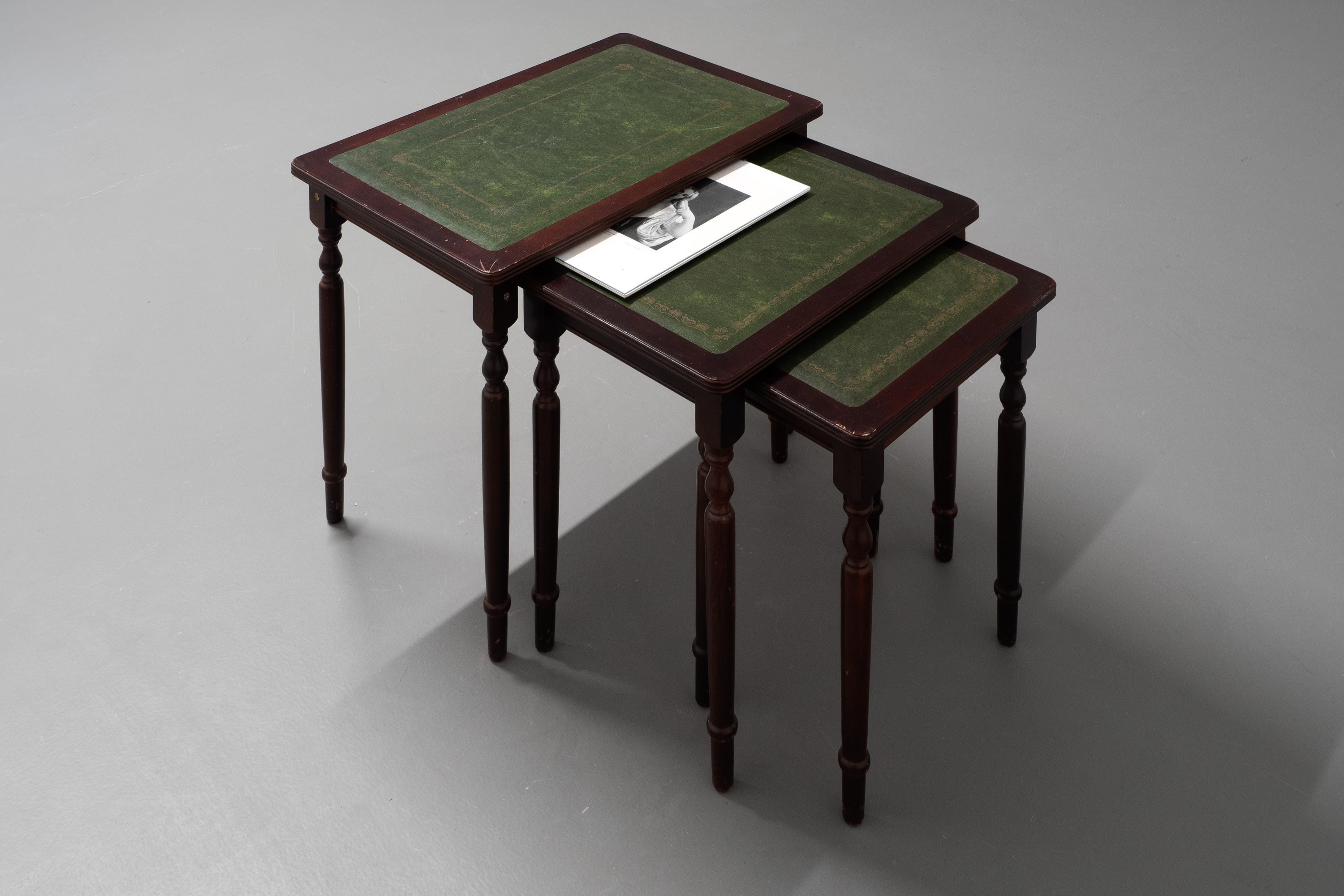
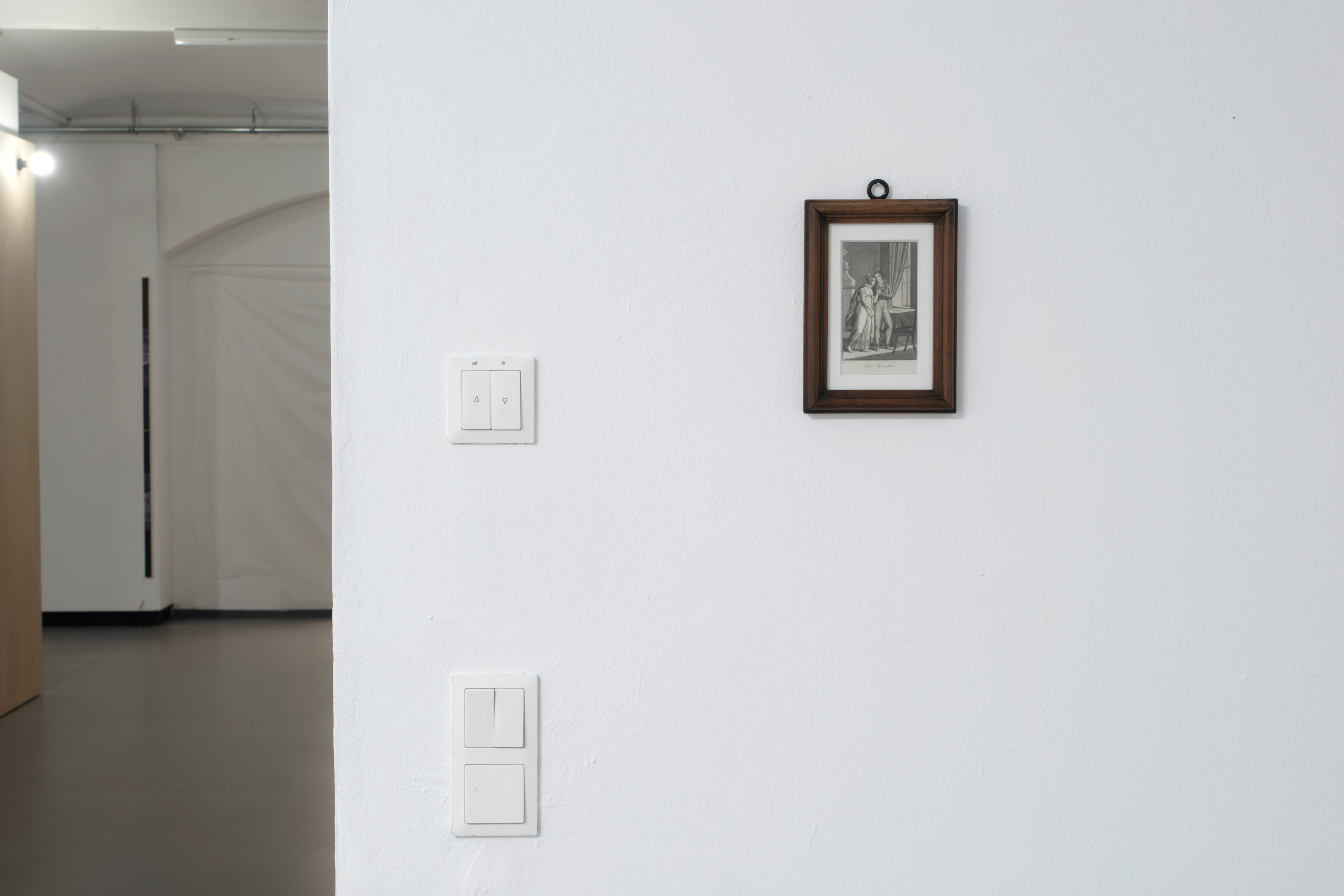
This mutuality is clearly evident in SOLO in the way the artist does not work with conventional exhibition architectural elements, such as pedestals or the existing lighting system, but with found pieces of furniture taken from various temporal and social contexts, reflecting a dynamic memory of the everyday. In combining photographs and objects in this way, the artist draws on the concept of Dépaysement, used by the Surrealists in order to “dislocate” or defamiliarize a motif by uncoupling it from its usual context. Beyond this, the concept of displacement in Freudian psychoanalysis is an important reference point for the artist, himself a trained psychologist. It describes a mechanism through which feelings, drives, or wishes triggered by an original object are projected onto another. Takizawa describes his works as “not-yet-solid images.” It is precisely this state of uncertainty that allows viewers of his work to experience how visual information and impressions accumulate, disperse, and recombine with one another.
(Cathrin Mayer)